Building a Refined Daily Ritual
Last updated: 1 June 2026
Researched and drafted with AI assistance; reviewed, fact-checked and approved by Thomas Lovas Lokoy. Editorial policy
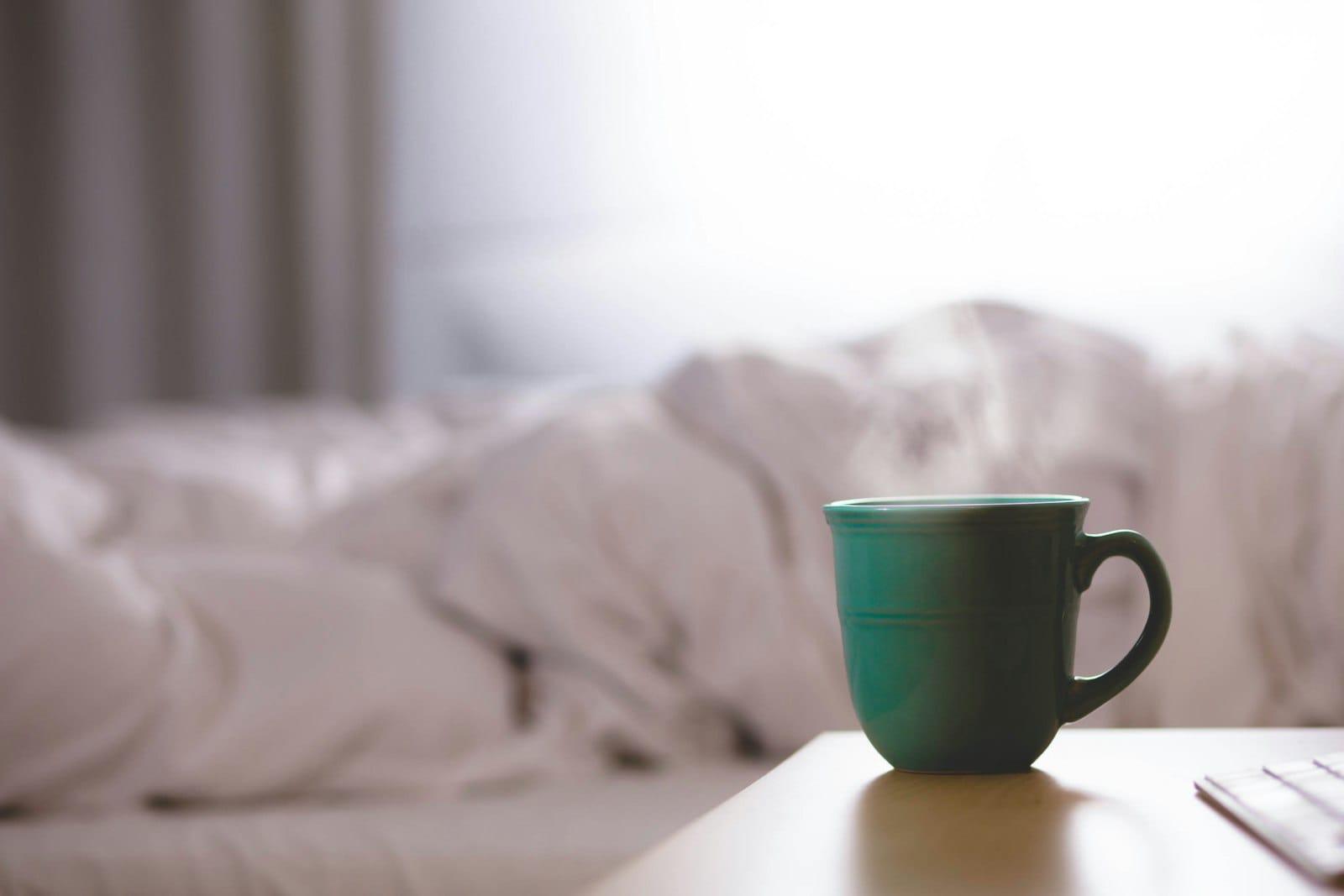
Real luxury is rarely the grand gesture; it is the quality of ordinary, repeated moments. A morning and evening done with intention does more for how your days feel than any single expensive purchase. The point is not to add steps — it is to do a few things properly and let them anchor the day.
A refined morning is simple and sensory. Decent coffee made with a little care, a quick effective skincare step (covered in our luxury skincare guide), a scent chosen deliberately (our fragrance guide explains how), and a tidy, calm space. None of this needs to be slow; it needs to be present. For those with facial hair, the grooming essentials routine fits here without ceremony, and the broader Nordic wellness routine extends the same unhurried idea across the whole day.
The evening ritual is where the day is set down. A warm bath with something restorative like Coach Soak, a quiet drink that asks nothing of tomorrow — a Sentia pour rather than alcohol — and a deliberate lowering of stimulation: dimmer lights, fewer screens, softer textures. The home supports this, which is why we care about considered textiles and technology that recedes.
The underlying principle is consistency over intensity. A modest ritual you actually keep beats an elaborate one you abandon. Choose three or four small things, do them well, and let them repeat.
Where a ritual needs a method rather than a principle, the step-by-step guides carry it.
Why Ritual Beats Routine
The distinction is not semantic. A routine is a sequence you execute; a ritual is a sequence with attention attached, and the attention is what produces the effect people are actually after.
That has a practical consequence: the elaborateness of a ritual contributes almost nothing, and the consistency contributes almost everything. A single considered cup of coffee, made the same way each morning, does more than a twelve-step regimen kept for three weeks.
The Anchors Worth Building Around
Rituals attach best to moments that already exist, which is why the successful ones cluster in the same few places:
| Anchor | What it is good for |
|---|---|
| The first thirty minutes | Setting the tone; the highest-leverage slot in the day |
| The transition out of work | The one most people lack, and miss most |
| The meal you eat alone | Attention, without needing anyone else's cooperation |
| The hour before sleep | The single highest-return habit for most people |
| The weekly reset | Laundry, tidying, planning — small, and it compounds |
The second row deserves emphasis. Working from home removed the commute, which was a transition ritual whether or not anyone thought of it that way. Replacing it deliberately — a walk, a change of clothes, a drink made properly — solves a problem many people have without having named it.
The Objects, Kept in Their Place
Objects support a ritual and cannot create one. The ones that genuinely help share three properties:
- They are used daily, which is what justifies buying well — the cost-per-wear argument applied to a mug or a razor.
- They improve with use rather than degrading: wood, leather, cast iron, linen, good steel. See materials that age well.
- They are pleasant to handle. This is not frivolous; it is the mechanism by which a ritual survives a bad week.
What does not help: buying the equipment before establishing the habit, owning multiples of the same object, and anything whose main appeal is that it looks correct photographed.
Making One Stick
- Start with one, not a system. A morning ritual established in a month is worth more than four begun at once.
- Attach it to something you already do without deciding to — the kettle, the shower, closing the laptop.
- Keep it short enough to do on your worst day. The version that survives is the version you designed for a bad Tuesday.
- Allow it to be imperfect. A ritual with a purity standard becomes a task, and tasks get dropped.
- Remove one thing before adding another. Days do not lengthen.
The evening version of this, and the one with the most evidence behind it, is in sleep optimisation; the Nordic reading of the same idea is in the Nordic wellness routine.
This idea threads through everything we write — buy fewer, better things, and use them with attention. That is luxury that compounds. Editorial; build the routine that fits your life.
Sources
Continue Reading
Continue in this collection


Found this useful? Explore more in the Journal.
BACK TO JOURNAL