The Nordic Wellness Routine: Sleep, Sauna and Cold Water
Last updated: 16 October 2026
Researched and drafted with AI assistance; reviewed, fact-checked and approved by Thomas Lovas Lokoy. Editorial policy
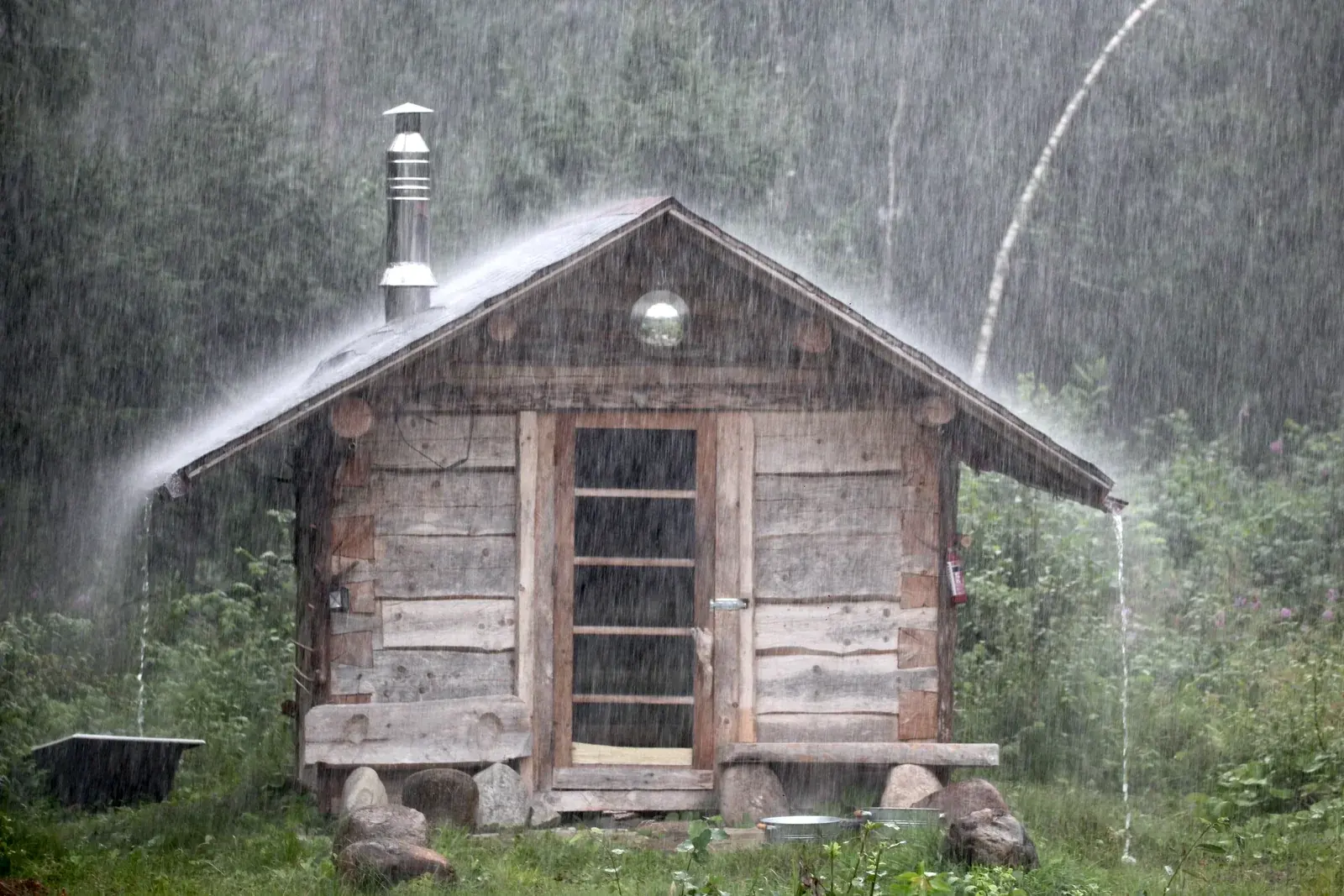
A Nordic wellness routine comes down to five habits, none of them exotic: seven to eight hours of sleep in a cool, dark, quiet room on a fixed schedule; movement outdoors most days (the Norwegian idea of friluftsliv) with three or four short strength sessions a week; plain, mostly home-cooked food with a vitamin D supplement through the dark months; sauna and cold water used regularly rather than heroically; and time with other people built into the week. This guide sets out each habit, what the research actually shows for sauna and cold exposure (including where the evidence is thin), and the small shelf of products worth keeping. It is general information, not medical advice.
Running a business, producing content, and travelling frequently while trying to maintain relationships and a personal life is a real balancing act. The wellness industry would have you believe it requires a two-hour morning routine, a personal chef, and a monthly retreat to Bali. It does not. What it requires is consistency, self-awareness, and a willingness to prioritise the basics over the flashy. This is a wellness routine built for real life, not the one that looks good on camera. Some of it is distinctly Nordic. Some of it is universal. Where a claim rests on a study, the study is named; where it rests on habit and preference, we say so.
Why Wellness Matters When You Are Building
Here is the uncomfortable truth most founders learn the hard way: you cannot outwork poor health. In the early days of a business, it is tempting to pull late nights, skip meals, exercise sporadically, and treat sleep as optional. The result is not heroic productivity; it is brain fog, irritability, inconsistent output, and a slow erosion of the creative thinking that makes the work valuable.
The shift comes when you realise that wellness is not a reward for success; it is a prerequisite. Every hour invested in sleep, movement, and recovery returns itself in clarity, energy, and sustained focus. You do not do wellness because you have time. You have time because you do wellness.
Sleep
Sleep is the foundation of everything. Not six hours. Not "I function fine on five." Seven to eight hours of genuine, quality sleep is the target.
A simple sleep protocol works, and it lines up with what the NHS publishes in its sleep guidance: a consistent bedtime and wake time (going to bed and getting up at similar times each day "helps your body know when it's time to sleep"); a bedroom that is "quiet, dark and cool" (we keep ours at 17–18°C, the Nordic preference, with blackout curtains or a sleep mask); no phones, tablets or computers for an hour before bed; and no alcohol or nicotine in the one to two hours before sleep, with caffeine kept to the morning. Replacing evening phone scrolling with reading, physical books rather than screens, noticeably improves sleep onset for most people within a week.
Sleep architecture matters, not just duration. A fitness tracker that monitors deep sleep and REM cycles is genuinely useful, not for obsessing over data but for identifying patterns. Most people who track for a month see for themselves what an evening drink does to their deep-sleep score, and that tends to change the habit more effectively than any article.
The bedroom environment matters. Good bedding, a quality mattress, and a temperature-controlled room are not luxuries; they are investments in your most productive recovery tool. Keep the bedroom minimal, following the same "less but better" philosophy set out in our grooming routine guide and applied to the space where you spend a third of your life. For the full case, read sleep optimisation: the highest-ROI habit.
Movement
This is not about being a gym obsessive or following a complex programme. The approach is rooted in the Norwegian tradition of friluftsliv, open-air living. Movement should happen outdoors whenever possible, it should be enjoyable, and it should be sustainable across decades.
A solid weekly structure: three to four strength sessions (thirty to forty-five minutes each, focusing on compound movements such as squats, deadlifts, presses and rows), two to three outdoor sessions (hiking, trail running, or simply a long brisk walk), and one mobility session (stretching, foam rolling, or yoga).
The key insight is that consistency at moderate intensity beats sporadic high intensity. Training five times a week at seventy per cent effort beats three times a week at maximum. The former builds an engine. The latter builds fatigue.
Cold Water: What the Evidence Actually Shows
Cold exposure is the quintessential Nordic wellness practice, and it is also the one most oversold. Cold showers (sixty to ninety seconds at the end of a regular shower) and, when accessible, ice baths or outdoor cold-water swimming are the usual entry points. The best current summary of the research is a 2025 systematic review and meta-analysis in PLOS ONE (Cain and colleagues) covering 11 randomised trials and 3,177 participants, with water at 15°C or below. Its findings, in plain terms:
- Inflammation markers went up immediately after immersion and at one hour, which the authors read as the body's acute response, not a benefit.
- Stress was significantly lower only at 12 hours after immersion; there was no significant effect immediately, at one hour, at 24 hours or at 48 hours.
- One small study found better sleep quality after cold water than after passive rest, and one large trial of cold showers found slightly higher quality-of-life scores at 30 days that had faded by 90 days.
- The one study that measured mood found no difference. There was no significant acute effect on immune function, though the large cold-shower trial recorded 29 per cent fewer days of sickness absence.
- The authors describe the evidence base as limited: few trials, small samples and, apart from the one large cold-shower trial, all-male study groups.
So: a cold finish to the shower is cheap, feels good to many people and may help the day's stress settle by evening. It is not a treatment for anything, and anyone with a heart condition should ask a doctor before starting ice baths.
Nutrition
The nutrition principle is simple: eat well, and mostly at home. Traditional Norwegian food culture points the way, emphasising whole foods, high-quality protein, seasonal vegetables, and healthy fats. No named diet. No obsessive macro-counting. Just real food, cooked at home, most of the time.
Breakfast is substantial: eggs, rye bread, smoked fish, or porridge with berries and nuts. This is fuel for the morning, not a rushed coffee and a croissant. Lunch is typically a large salad with protein (grilled chicken, salmon, or beans) and a generous serving of olive oil. Dinner is where to relax the rules a little: a simple protein, roasted vegetables, and often a glass of wine, though worth being mindful about, given the sleep guidance above.
Supplement minimally. Vitamin D is the one with an official Nordic basis: Norway's recommended intake for adults is 10 micrograms a day (20 micrograms over 75), and Norway's public health authority says that in winter very few people can meet their need through diet alone without a supplement, and sunlight, the body's other source, is scarce through the Norwegian autumn and winter. Omega-3 fish oil and magnesium in the evening are common additions; the case for them is weaker and depends on your diet. Be sceptical of the supplement industry's endless product launches. Most people eating a varied diet need very little.
Recovery
Recovery is where most high-performers fail. They train hard, work hard, and then wonder why they feel depleted. Active recovery is as important as the work itself.
Sauna is deeply embedded in Nordic culture and worth using regularly, and here the evidence is stronger than for cold water, with a caveat. The most-cited study is the Kuopio Ischaemic Heart Disease cohort published in JAMA Internal Medicine in 2015: 2,315 Finnish men aged 42–60 followed for a median of 20.7 years. Compared with men who used a sauna once a week, those who went two to three times a week had a 24 per cent lower rate of death from any cause (hazard ratio 0.76), and those who went four to seven times a week had a 40 per cent lower rate (0.60), with similar gradients for fatal cardiovascular disease (0.73 and 0.50) and sudden cardiac death (0.37 at four to seven sessions). The caveat is that this is an observational study of self-reported habits: it shows an association, not proof that sauna causes the benefit, and men well enough to take a sauna four times a week may differ from once-a-week bathers in ways the study could not fully measure. Our practice follows the Finnish pattern anyway: fifteen to twenty minutes at eighty to ninety degrees, a cold shower or plunge, repeated two to three times, three or four times a week. The cultural side is in the sauna renaissance.
A bath is the lower-tech version. Coach Soak magnesium bath salts are the ones we keep for a post-training wind-down two or three evenings a week; treat the soak as a ritual that signals the day is over rather than as a proven therapy for muscle soreness.
Massage, foam rolling, and stretching fill in the gaps. The specific modality matters less than the habit; the point is doing something that promotes blood flow, reduces tension, and signals to your nervous system that it is time to downshift.
Mindset
The Nordic concept of dugnad, communal effort, extends naturally to mental wellness. Investing in relationships, shared experiences, and community beats isolated self-improvement hacks every time. Regular dinners with friends, collaborative projects, and honest conversations about stress and challenges keep people grounded.
Meditation helps, but it can stay loose. Ten minutes of guided meditation in the morning, or simply sitting quietly with coffee before the day begins. The goal is not enlightenment; it is creating a buffer between waking up and reacting to the day's demands. If the phone is the problem, a weekend without it does more than an app: see digital detox retreats.
Journaling helps process complexity. A brief entry each morning (three priorities for the day, one thing to be grateful for, and one area to improve) takes three minutes and provides surprising clarity over time.
The Routine, Week by Week
| Habit | Frequency | Nordic root | Evidence status |
|---|---|---|---|
| 7–8 hours' sleep, fixed schedule, cool dark room, no screens for an hour | Nightly | Cool bedrooms, early dark winters | NHS sleep guidance |
| Strength training, 30–45 minutes | 3–4 times a week | Practical fitness over aesthetics | Established exercise guidance |
| Outdoor movement (walk, hike, run) | 2–3 times a week | Friluftsliv | Established exercise guidance |
| Sauna, 15–20 min at 80–90°C with cooling, 2–3 rounds | 3–4 times a week | Finnish sauna culture | Observational association (JAMA Intern Med 2015) |
| Cold shower finish or cold swim | Daily or as tolerated | Nordic winter bathing | Limited RCT evidence (PLOS ONE 2025) |
| Vitamin D 10 µg | Daily, at least through winter | Norwegian official recommendation | Public health guidance |
| Shared meals and community | Weekly | Dugnad | Cultural practice |
The Products Worth Keeping
A good wellness shelf is intentionally small:
- Recovery: Coach Soak mineral bath salts for the evening wind-down
- Skincare: A simple fragrance-free cleanser and moisturiser, because looking healthy starts with healthy skin
- Grooming: Viking Beard oil; daily beard maintenance is part of good self-care
- Supplements: Vitamin D through the dark months; omega-3 and magnesium glycinate if your diet is short of them
- Tools: Foam roller, lacrosse ball for trigger points, and a cold plunge tub only once the cold-shower habit has stuck
For the grooming side of wellness, our full routine is detailed in our Nordic grooming guide, and for more on men's grooming as part of a complete wellness approach, explore our category page. For how all of this fits a longer life rather than a longer to-do list, read longevity in 2026: what is actually worth doing, and for how we got from Roman baths to biohacking, a history of wellness.
Frequently asked questions
What is a Nordic wellness routine?
Five plain habits: seven to eight hours of sleep on a fixed schedule in a cool dark room, outdoor movement most days plus short strength sessions, mostly home-cooked food with vitamin D through winter, regular sauna with cold-water cooling, and time with other people built into the week.
Does sauna actually improve health?
The best evidence is a 20-year Finnish cohort of 2,315 men published in JAMA Internal Medicine in 2015: men using a sauna four to seven times a week had a 40 per cent lower all-cause death rate than once-a-week users, and a 50 per cent lower rate of fatal cardiovascular disease. It is an association in an observational study, not proof of cause.
Are cold showers and ice baths worth it?
A 2025 meta-analysis of 11 trials found inflammation rises immediately after cold immersion, stress is lower only at 12 hours, one study showed better sleep and one found no mood effect. The authors call the evidence limited. A cold finish to the shower is cheap and pleasant for many; it is not a treatment.
Do I need vitamin D in the Nordic winter?
Norway's official recommendation is 10 micrograms a day for adults and 20 for people over 75, and the public health authority says very few people meet it from diet alone in winter, when sunlight is scarce. Check with a doctor before taking high doses.
Sources
Continue Reading
Continue in this collection



Found this useful? Explore more in the Journal.
BACK TO JOURNAL