Northern Lights in Norway, 2026–27: When to Go, Where to Stay and What the Solar Cycle Means
Last updated: 23 October 2026
Researched and drafted with AI assistance; reviewed, fact-checked and approved by Thomas Lovas Lokoy. Editorial policy
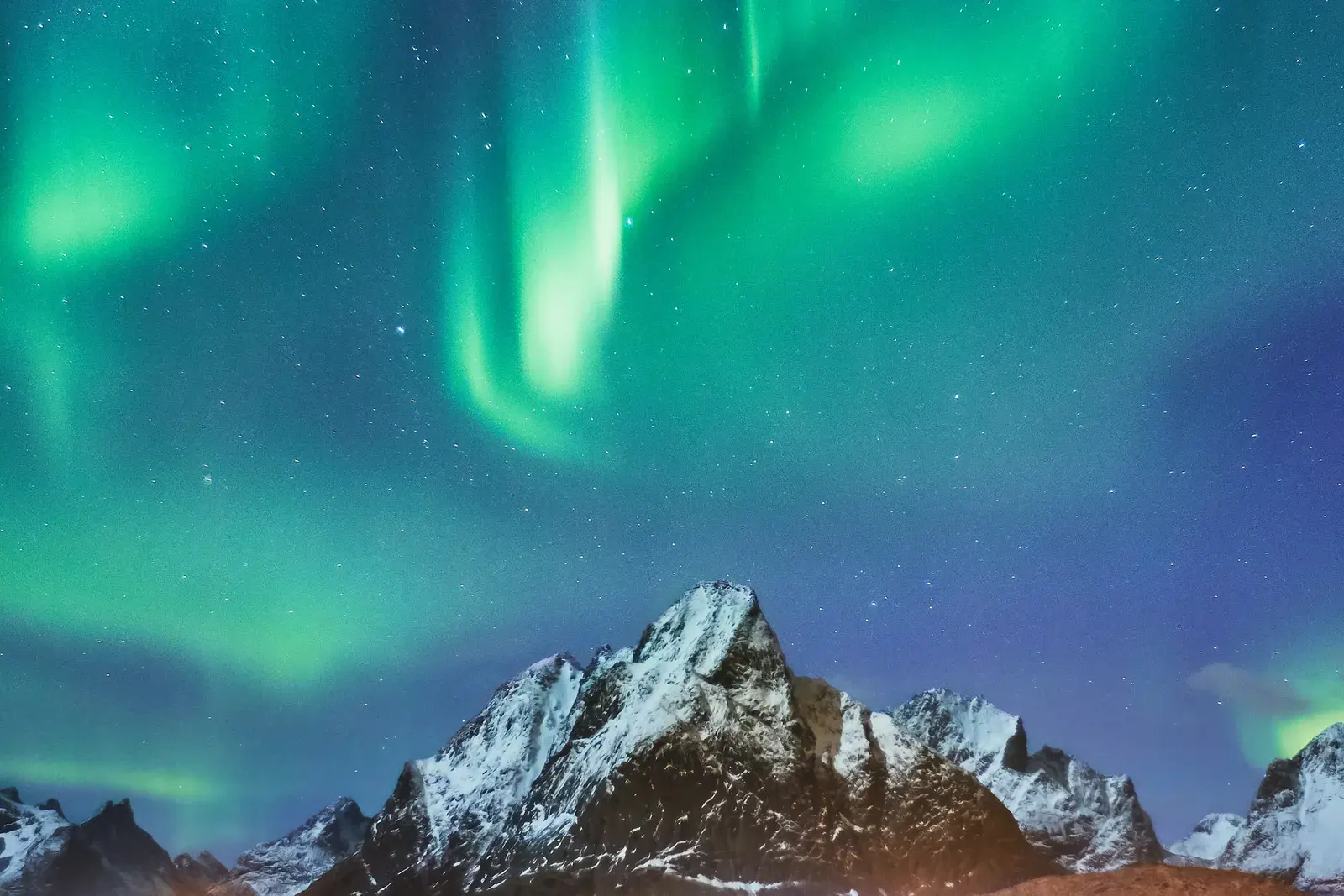
The northern lights season in Northern Norway runs from late August to late March, and the best viewing is usually between 11 pm and 2 am on a clear, dark night. Tromsø is the easiest base; Lofoten, Senja, Alta and the coastal ships are quieter alternatives. Nothing — no tour, hotel or app — can guarantee a sighting, so plan for several nights rather than one.
That is the short version. What follows is how to choose your month, your base and your nights, and what the solar cycle does and does not mean for the 2026–27 season.
When to go: the months, honestly compared
Visit Norway, the national tourism board, gives the season as "from as early as late August until late March", and notes that statistically the highest aurora activity falls in autumn (September/October) and spring (March/April). Visit Tromsø lists its northern lights season as late August to early April.
| Period | Darkness | What it suits | Trade-off |
|---|---|---|---|
| Late Aug – Oct | Nights getting longer | Fewer crowds, milder weather, lakes and fjords not yet frozen | Shorter nights early in the window |
| Nov – mid-Jan | Polar night in Tromsø (about 27 Nov – 15 Jan) | The most hours of darkness | Coldest, busiest around Christmas, little daylight for anything else |
| Late Jan – Mar | Daylight returning | Snow activities by day, aurora by night | Popular with winter-sports travellers |
Visit Norway itself suggests autumn for fewer crowds and higher temperatures. If you want snow on the ground for dog sledding or snowshoeing as well, aim for winter or early spring instead.
The polar night, and why it is not a requirement
Visit Tromsø gives the polar night — the weeks when the sun does not rise above the horizon — as approximately 27 November to 15 January. It adds that mountains usually block the returning sun from central Tromsø until later in January.
It is tempting to think the polar night is the only time to see the aurora. It is not. What you need is a dark sky at the right hour, and from autumn onwards Northern Norway is dark for most of the evening and night anyway. The polar night simply gives you more dark hours to work with, along with the coldest temperatures and the busiest weeks of the year.

Where to stay: choosing a base
Tromsø. The main hub, with direct international flights and the widest choice of hotels and guided trips. Visit Norway notes that it gets very busy in winter and suggests autumn, or nearby Alta, Lyngen or Senja, if you want more space.
Lofoten and Vesterålen. Dramatic mountains rising straight out of the sea, which is why so many aurora photographs are taken here. Expect to drive between viewpoints.
Bodø and Salten. Described by Visit Norway as up-and-coming, with a centrally located international airport.
Narvik. Alpine skiing during the day, with the aurora overhead at night.
The coastal ships. Visit Norway points to Hurtigruten and Havila sailings between Tromsø and Kirkenes for more secluded areas with less light pollution. A ship moves you away from cloud on some nights; on others it simply moves you under more of it.
Svalbard. An Arctic option beyond the mainland, for travellers who want the polar night at its most extreme.
When comparing hotels, look at location before luxury: a hotel away from street lighting, or with easy access to dark sky nearby, is worth more for this trip than a larger suite in the middle of town. If you are booking in Norway, compare hotels in Tromsø and the north by location first and price second.
What the solar cycle means for 2026–27
The aurora is driven by the sun. On 15 October 2024, NASA and NOAA announced that the sun had reached the maximum phase of its roughly 11-year cycle, and said that phase could last about another year. After the maximum, the sun gradually declines towards solar minimum, and NASA notes that significant storms still occur during the declining phase, though less often.
Visit Norway's page describes Norway as being in one of the most active periods of the solar cycle. For the 2026–27 season the honest summary is this: activity is past its announced peak but not low, strong displays remain possible, and the factors you control — darkness, a clear sky and enough nights — matter more than the cycle.
How to give yourself the best chance
Guided northern lights trips are the simplest way to be mobile without driving on winter roads at night. You can browse aurora and winter tours from Norway on GetYourGuide; compare what each includes (transport, warm suits, hot drinks, photography help) and the cancellation terms before you book.
Making the trip worth it if the sky stays cloudy
The aurora is a natural phenomenon, and Visit Norway is clear that sightings are not guaranteed. Build days that are good in their own right. Visit Tromsø lists Sámi culture and reindeer, dog sledding, snowmobiling, skiing and snowshoeing among its winter activities, and whale watching between November and January. A trip planned around those, with the aurora as the reward at night, rarely disappoints; a trip planned around the aurora alone can.
For more on travelling well in the Nordics, see our guide to curated Nordic experiences and our pick of Norwegian luxury local finds. If you are planning a wider winter itinerary, our ultra-luxury ski chalet guide covers the other side of the season.
Frequently asked questions
When is the best time to see the northern lights in Norway? Between late August and late March, according to Visit Norway, with the statistically highest activity in September–October and March–April. Within a night, the peak is often between 11 pm and 2 am.
Is Tromsø the best place to see the aurora? It is the easiest, thanks to direct flights and a wide choice of tours. Lofoten, Senja, Alta, Bodø and the coastal ships are good alternatives with fewer people.
Can you see the northern lights during the polar night? Yes. The polar night in Tromsø runs roughly from 27 November to 15 January, and it gives you the most hours of darkness, but it is not required — the sky is dark enough in the evenings from autumn onwards.
Is 2026–27 still a good season after the solar maximum? NASA and NOAA announced the solar maximum period in October 2024 and said it could last about a year. Activity declines gradually afterwards, and significant storms still occur. A clear, dark sky matters more than the cycle.
How many nights should I plan? At least three or four. Weather is the biggest variable, and more nights give you more chances of a clear sky.
Some links on this page are affiliate links and are labelled as sponsored where a real partnership exists. Seasons and dates are as published by the sources linked above, checked in October 2026; sightings are never guaranteed.
Related reading: Curated Nordic Experiences
Sources
Continue Reading
Continue in this collection


Found this useful? Explore more in the Journal.
BACK TO JOURNAL