Ultra-Luxury Ski Chalets: Buying, Renting, and the Best Alpine Markets
Last updated: 9 October 2026
Researched and drafted with AI assistance; reviewed, fact-checked and approved by Thomas Lovas Lokoy. Editorial policy
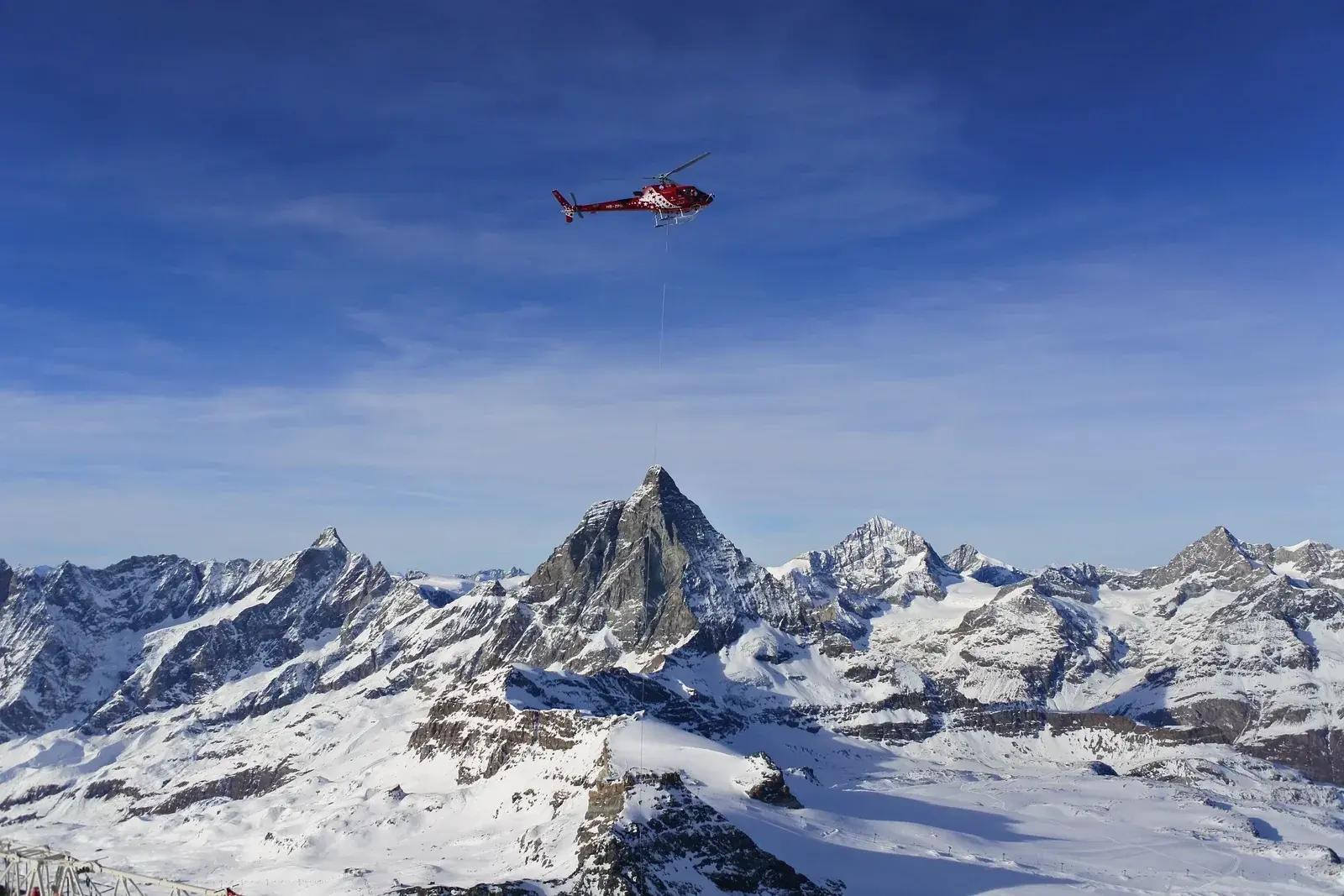
The ultra-luxury ski chalet market sits at the intersection of two powerful wealth trends: the increasing preference for experiential assets over pure financial assets, and the concentration of ultra-high-net-worth individuals in a small number of global resort markets. Understanding the dynamics of this market — which resorts are genuinely scarce, how purchase structures work, what rental economics look like, and what the best properties actually offer — is essential before committing at this level.
The Resort Hierarchy
Not all ski resorts are equal markets. The ultra-luxury chalet market is concentrated in a handful of locations that command prices and liquidity unmatched elsewhere in the alpine world.
Courchevel 1850 (France): The undisputed benchmark of European ski luxury. The premium piste-side positions are Le Jardin Alpin and Bellecôte, and helipad-equipped chalets with direct private-helicopter access command a further premium. We do not publish a price range for this market: there is no public transaction register for prime alpine property, asking prices are frequently off-market, and any range we printed would be a guess dressed as data. Ask a local agency for current comparables in the specific hamlet you are considering. The French Tarentaise valley resorts (Courchevel, Méribel, Val d'Isère) collectively form the largest ski domain in the world — the Trois Vallées — which adds practical skiing value to the status premium.
Verbier (Switzerland): The alternative to Courchevel for those who prefer Swiss tax treatment and the more understated Swiss alpine aesthetic. The most desirable positions are Hameau, Les Creux, and piste-side locations near the Médran lift system. As with Courchevel, we do not print a price band — Swiss prime-resort sales are not publicly registered in a form that supports one. The Swiss legal framework for foreign property ownership (Lex Koller restrictions) requires careful navigation — non-Swiss residents face restrictions on property purchase that require specialist legal advice.
Gstaad (Switzerland): The most exclusive Swiss resort by reputation. Property turnover is extremely low — owners hold for generations. Prices are among the highest in the world for trophy properties. The social element — Gstaad's winter clientele is genuinely extraordinary — drives a premium beyond pure skiing quality.
St Moritz (Switzerland): The original luxury ski resort, equally famous for its frozen lake (polo, horse racing, cricket on ice) as for its skiing. Property prices are comparable to Verbier. The Engadin valley setting is unique.
Zermatt (Switzerland): Car-free, glacier skiing year-round, and the Matterhorn as a backdrop. Distinctive market — property is relatively scarce and liquidity is lower than Verbier or St Moritz.
Val d'Isère (France): The purists' mountain for serious skiers. Less overtly social than Courchevel, more skiing-focused. Ultra-luxury chalet development has increased significantly in recent years.
The Purchase Complexities
France: French property purchase follows standard civil law procedures with notaire involvement. The primary complexity for ultra-luxury chalets is planning law — the Montagne law restricts development and renovation in ways that affect both buying opportunities and renovation scope. Renovation of existing properties typically requires detailed planning approval and compliance with strict environmental and visual criteria.
Switzerland: The Lex Koller restrictions on foreign property ownership in Switzerland limit most non-residents to holiday home purchases in designated resort areas and restrict the total number of foreign-owned properties per commune. Navigate this with a Swiss lawyer before any offer is made. The Swiss system for property transfer involves a public notary and takes longer than French equivalents — typically 3–6 months from offer to completion.
Ownership structures: For ultra-luxury chalets, purchase through an SCI (Société Civile Immobilière) in France, or a Swiss company in Switzerland, is common for tax efficiency and ownership flexibility. However, French SCI structures have been subject to changing tax treatment — obtain current tax advice before structuring any French purchase.
Rental Economics
The leading alpine luxury chalets generate rental income when not in owner use, and the season is short and concentrated: Christmas and New Year, February half-term, and the March peak account for most of it.
We are not going to give you weekly rates, management percentages or a net yield, and you should be sceptical of any guide that does. Prime alpine chalet rentals are negotiated privately, rates are not published, occupancy is not reported, and management contracts are bespoke. There is no dataset behind the confident-looking numbers that circulate in this category — including the ones this article previously carried, which have been removed.
What you can do instead is get real figures for the actual property: ask the selling agent for the last three seasons of booking records, ask a specialist management company for a written quotation against that specific chalet, and treat any yield calculated from anything less than those two documents as marketing. A property that cannot produce booking history is telling you something.
What Ultra-Luxury Chalet Rental Guests Expect
The top of the chalet rental market has established service standards that are genuinely different from the broader rental market. These are the things that distinguish it, and their presence or absence tells you more about where a property actually sits than any advertised rate:
In-house catering: A private chef producing all meals to restaurant quality is standard at this level, not optional.
Dedicated chalet manager: A named point of contact available 24/7 for the duration of the stay, coordinating ski instruction, lift passes, restaurant reservations, transport, and any other requirements.
Helicopter transfer: The best properties offer direct helicopter access from the nearest major airport. Geneva to Courchevel 1850 in 30 minutes rather than 4 hours by car is a genuine amenity.
Spa and wellness: Indoor pool, sauna, steam room, and massage room are table stakes at the top of this market. For the in-chalet ritual after a day on the slopes, a mineral bath soak such as Coach Soak is a popular addition to the guest amenity kit.
Ski concierge: Private ski instruction booked in advance, equipment delivered to the chalet, ski storage with boot warming.
Our Assessment
The structural argument for prime alpine property is a supply argument: there is effectively no new development land at the top tier in Courchevel 1850 or Verbier, planning regimes in both countries actively restrict it, and demand for a fixed stock of trophy assets comes from a global buyer pool. That argument is sound on its own terms. What we will not tell you is how those properties have performed as an investment over any period — we have found no independent index of prime alpine transaction prices that would support such a claim, and past performance would not predict your outcome in a market this illiquid even if one existed.
The risks are specific: climate change and declining snow reliability at lower altitudes, regulatory risk in Switzerland around foreign ownership, and the liquidity constraints inherent in any premium asset with a small buyer pool.
The honest summary is that this asset makes sense when personal use is the primary motive and rental income is a partial offset rather than the case for buying. For someone buying purely as an investment, with no genuine intention to use the chalet, the combination of a small buyer pool, unpublished pricing and bespoke running costs makes it a poor substitute for asset classes where you can actually see what you are paying for and sell when you want to.
Related reading: a guide to buying ultra-luxury real estate, the ten due diligence steps UHNW buyers use and where the ultra-wealthy are actually going in 2026.
Continue Reading
Continue in this collection


Found this useful? Explore more in the Journal.
BACK TO JOURNAL