Considered Home Textiles: Comfort Without Clutter
Last updated: 16 October 2026
Researched and drafted with AI assistance; reviewed, fact-checked and approved by Thomas Lovas Lokoy. Editorial policy
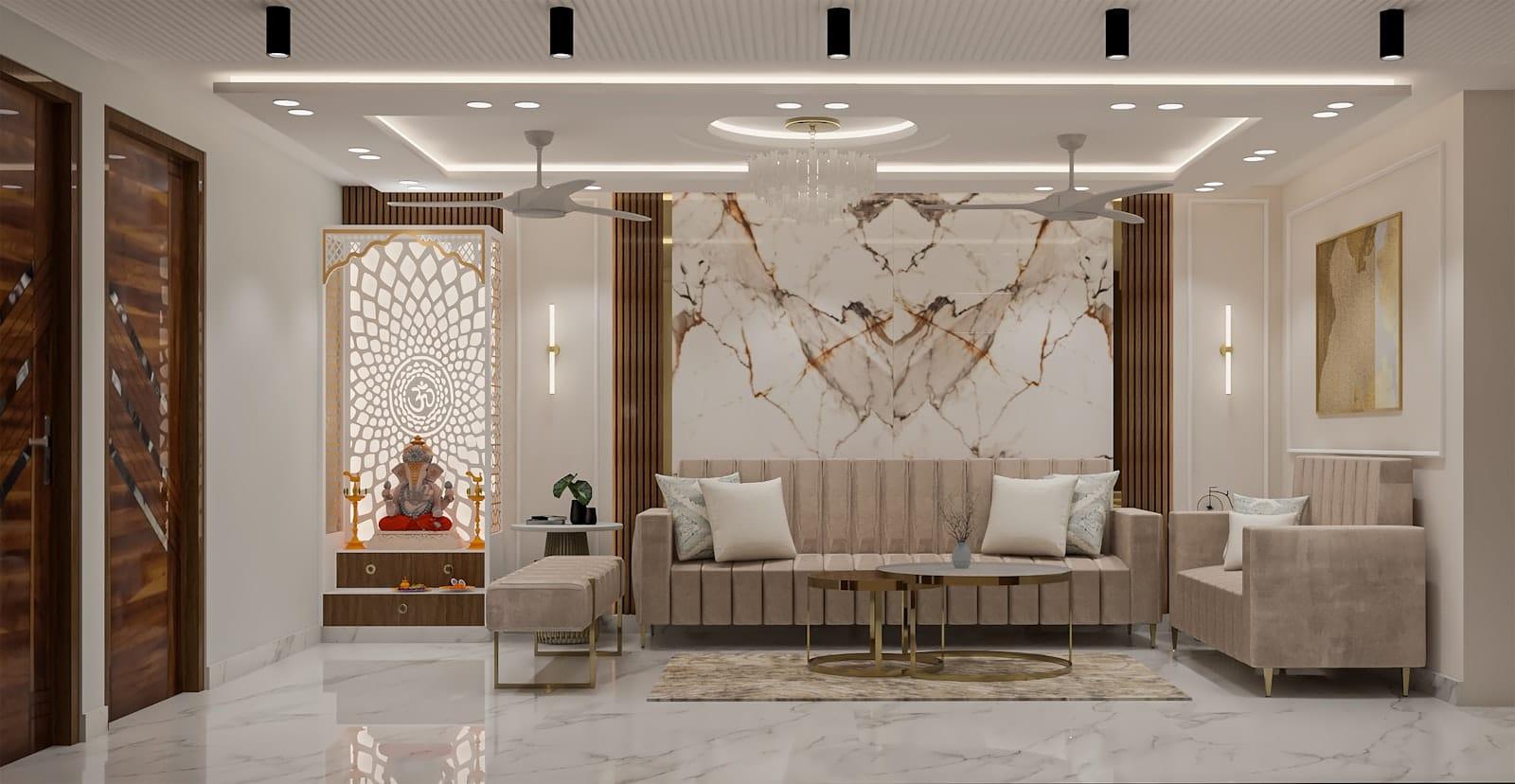
The quickest way to make a home feel considered is not furniture — it is textiles. Linens, throws and cushions are what you touch daily, and getting them right does more for the feel of a room than another statement piece. Yet they are usually bought on colour alone, which is why so many homes feel busy rather than calm.
Fibre is where to start. Natural fibres — linen, cotton, wool — breathe, age well and feel better against the skin than synthetics, which can look fine but feel and perform poorly over time. For bedding, thread count is an overrated number; weave and fibre quality matter far more, and good linen actually improves with washing. Ask a retailer for the fibre composition and the weave before you ask for the thread count — the ones that answer plainly are the ones worth buying from. We hold no textile partnership, so nothing on this page is a placement.
Restraint is the second principle. A calm room comes from a limited palette and a few quality pieces, not a pile of cushions. Choose textures over patterns where you want serenity; let one or two pieces carry colour and keep the rest quiet. Textiles are also the cheapest place to try the deeper, warmer colours in this year's interior trends before committing them to a wall.
This dovetails with the calm-space philosophy elsewhere on the journal — the invisible-technology approach in smart home done tastefully, and the consistency-over-intensity idea behind building a refined daily ritual. Good textiles also make a genuinely warm gift, covered in our art of gifting guide.
What the Fibres Actually Do
Fibre choice determines almost everything about how a textile lives, and the trade-offs are consistent whatever the price:
| Fibre | Strength | Weakness |
|---|---|---|
| Linen | Cool, extremely durable, improves with washing | Creases; feels crisp at first |
| Cotton | Soft, easy to launder, widely available | Quality varies enormously |
| Wool | Insulating, resilient, naturally odour-resistant | Care requirements; some find it prickly |
| Silk | Temperature-regulating, exceptional drape | Delicate, and needs careful laundering |
| Cashmere | Warmth for very little weight | Pills; short-fibre versions wear out fast |
| Synthetics | Cheap, stain-resistant | Traps heat, ages badly, sheds microfibres |
The single most useful rule: the fibres that improve with use are natural, and the ones that only degrade are synthetic. A linen sheet at year five is better than at year one. A polyester blend at year five is worse in every measurable way.
Thread Count Is a Weak Signal
The number on the packet is one of the least informative specifications in retail:
- It counts threads in a square inch, and can be inflated by counting the plies in a multi-ply yarn — so a high count can indicate thinner, weaker yarn.
- Fibre length matters far more. Long-staple cotton produces smoother, stronger, longer-lived fabric than a higher count of short fibres.
- Weave changes the hand more than the count does. Percale is crisp and cool; sateen is smooth and warmer. Neither is better; they suit different people and seasons.
Buy on fibre, staple length and weave. Treat the count as packaging.
Where to Spend and Where Not To
- Spend on what touches skin for eight hours — sheets and pillowcases. This is the highest-contact textile in the house by a wide margin.
- Spend on the towel you use daily, and buy fewer of them.
- Spend on upholstery fabric rather than on the frame's styling, because the fabric is what fails first.
- Do not spend on decorative cushions, seasonal throws, or anything sold as a set.
- Do not spend on a duvet before understanding how warm you sleep, which is a personal variable no product page can guess.
Care Is Most of Longevity
Textiles are usually destroyed by laundering rather than by use:
- Wash cooler and less often. Most items are washed more than they need to be.
- Halve the detergent. Excess does not rinse out and stiffens fibres over time.
- Skip fabric softener on cotton towels and linen — it coats fibres and destroys absorbency.
- Dry flat or on low. Heat is what shortens the life of nearly everything here.
- Rotate. Three sets in rotation last considerably more than three times as long as one set used continuously.
The same principle governs every material in a home worth keeping — see materials that age well and designing rooms you keep for thirty years.
Buy natural fibres, keep the palette quiet, and invest in the few things you touch every day. Comfort, not clutter, is the luxury. Editorial; reflects our own preferences.
Sources
Continue Reading
Continue in this collection


Found this useful? Explore more in the Journal.
BACK TO JOURNAL