Smart Home Done Tastefully: Gadgets That Disappear
Last updated: 1 June 2026
Researched and drafted with AI assistance; reviewed, fact-checked and approved by Thomas Lovas Lokoy. Editorial policy
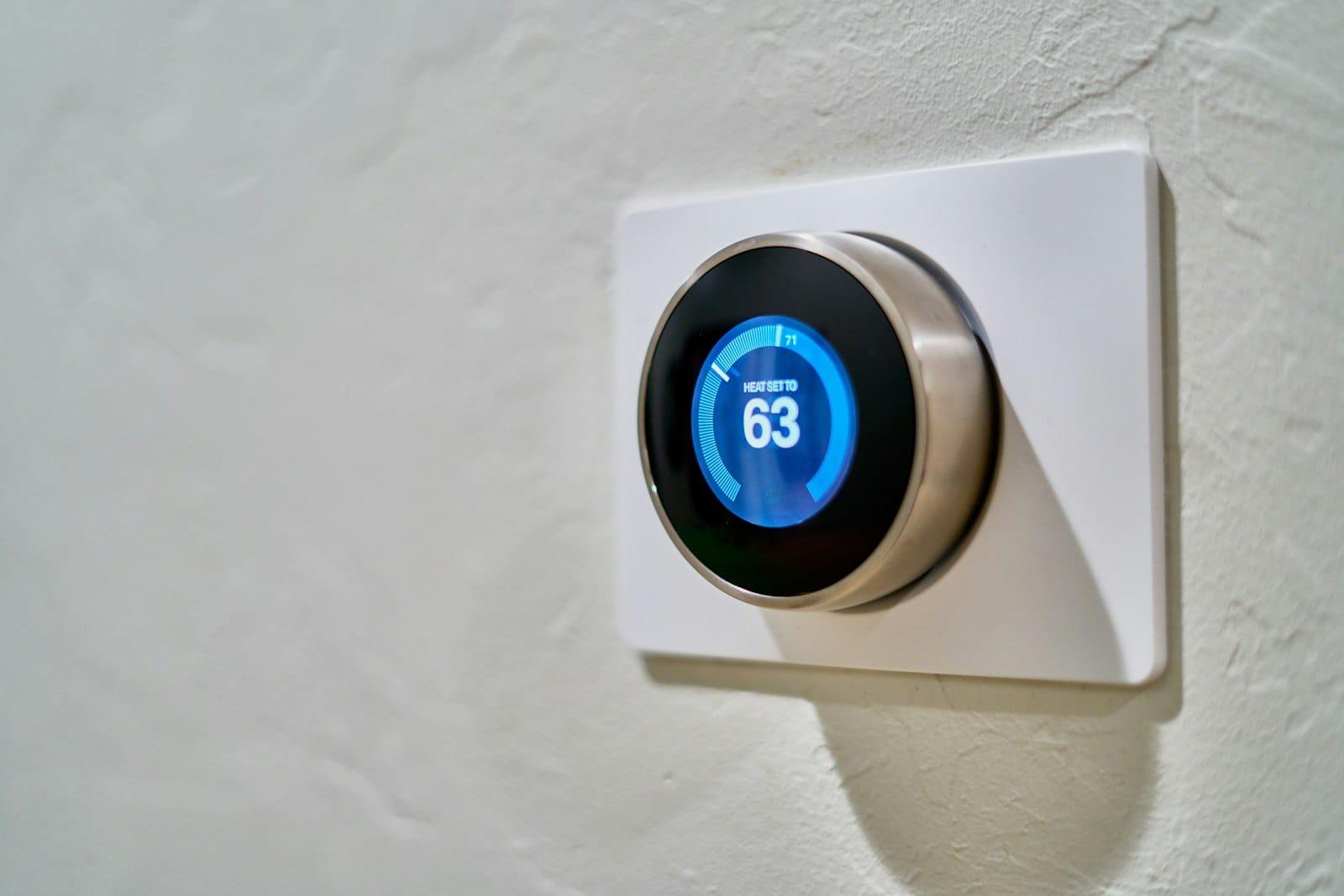
The failure mode of smart home is obvious in most houses that have tried it: a drawer of abandoned hubs, three apps that do not talk to each other, and a partner who has banned any further "improvements". Good home automation does the opposite — it removes friction so quietly that you stop noticing it. Taste here means restraint.
Start with retrofit devices that solve a real annoyance rather than inventing a new one. Curtains that close on a schedule, a lock you never have to fumble for, a sensor that turns lights off when a room empties. Ecosystems like SwitchBot specialise in exactly this kind of add-on automation — small modules that upgrade what you already own instead of demanding you replace it. That is the elegant route: enhance, do not gut-renovate.
Two principles keep a smart home from becoming a smart headache. First, prefer devices that work locally and degrade gracefully — if the internet drops, the lock should still be a lock. Second, resist automating things that are not actually inconvenient; novelty automations are the ones that end up in the drawer.
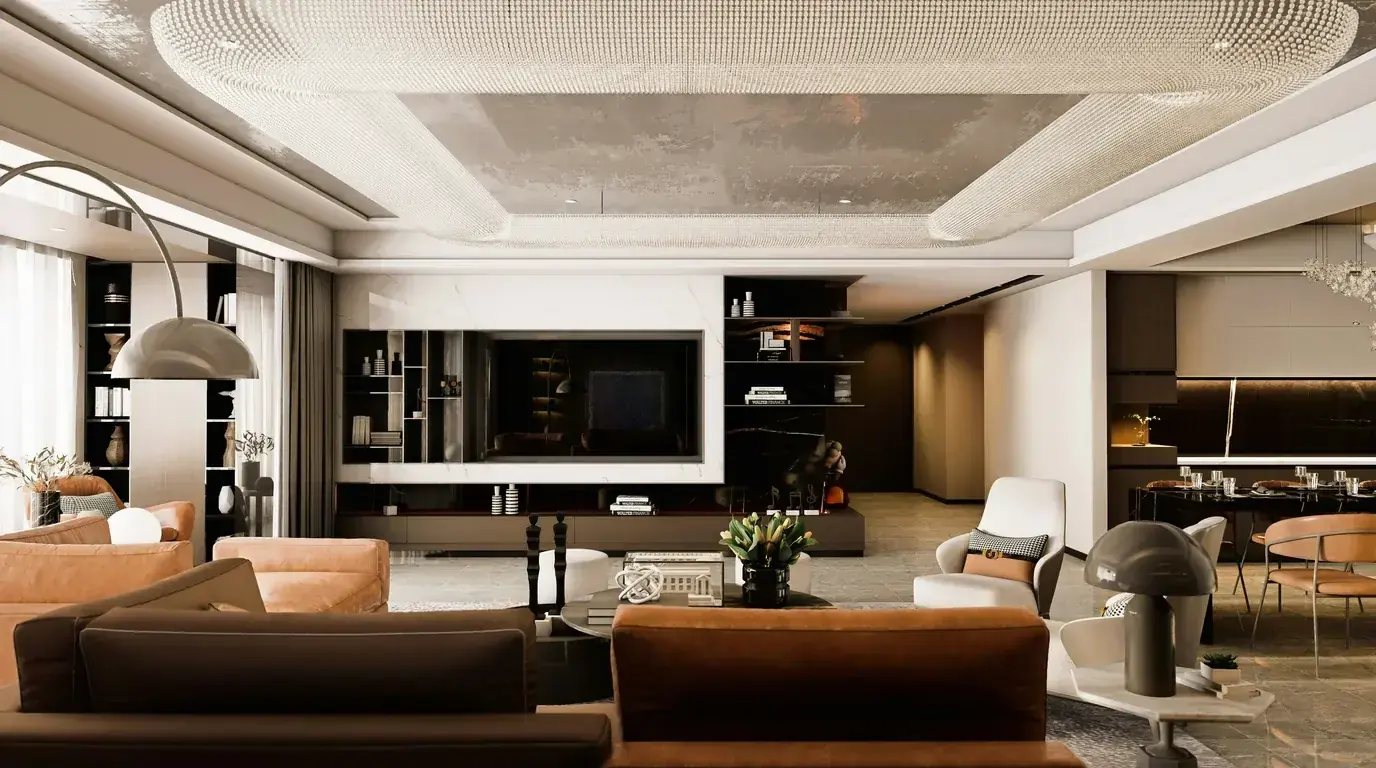
Aesthetically, the goal is for the technology to recede. That philosophy runs through our wider writing: the same restraint defines a refined daily ritual, and it is why we favour gadgets that earn their place over feature-count. For the home itself, our take on considered textiles and interiors covers the analogue side of a calm space, while discreet smart homes that don't look like spaceships makes the same case for the tech.
Decide the Architecture Before the Devices
The single decision that determines whether a smart home stays pleasant is where the intelligence lives, and almost nobody makes it deliberately:
| Approach | Works when | Fails when |
|---|---|---|
| Local hub | You want it to work with the internet down | You want zero setup |
| Cloud platform | You want it working in ten minutes | The vendor changes terms or shuts down |
| Single-brand ecosystem | You will genuinely stay inside it | You later want one device it does not make |
| Mixed, tied together by a standard | You want flexibility | The standard is still maturing in places |
The practical middle path for most homes: pick one ecosystem for voice and app control, prefer devices that keep working locally if the internet drops, and accept that the occasional device will need its own app. A home where a light switch depends on a distant server is a home where a bad connection becomes a household argument.
Where to Actually Begin
In order of how consistently people keep using them:
- Lighting. Light changes a room more than any other controllable variable, and schedules deliver most of the benefit without anyone touching a phone.
- Heating, if you have a system a thermostat can genuinely control. The saving is real and the comfort gain is larger.
- Leak and smoke sensors. The only category here that prevents a loss rather than an inconvenience, and the cheapest insurance in the house.
- Plugs, for anything with a physical switch you keep getting up to press.
- Entry sensors, which answer "did I lock up" far more cheaply than a smart lock.
Cameras, locks and blinds come after all of that, and only where there is a specific problem to solve.
Keeping It Invisible
The design failure of most smart homes is that the technology is the most visible thing in the room. Four habits keep it subordinate:
- Automate rather than control. The best interface is no interface: a room that is already right when you enter it.
- Keep physical switches working. Anyone in the house should be able to turn a light on without knowing anything.
- Hide the hardware. Hubs in cupboards, sensors out of sightlines, cables managed once and properly.
- Choose finishes that match the room, not the product photography.
More on that in smart homes that don't look like spaceships.
Privacy and Longevity
Two questions that get asked too late:
- What leaves the house? Cameras and microphones are a different category from a temperature sensor. Prefer local processing where it exists, and know which devices upload by default.
- What happens when support ends? Cloud-dependent hardware can be turned off by a business decision. Devices that work over a local standard survive their manufacturer; devices that do not, do not.
Neither is a reason to avoid the category. Both are reasons to buy fewer, better-chosen devices — the same argument as smart gadgets worth the space.
Buy for the annoyance you actually have, not the future you imagine. A few well-chosen modules beat a whole-house overhaul. Editorial; compatibility varies by region and existing hardware.
Sources
Continue Reading
Continue in this collection


Found this useful? Explore more in the Journal.
BACK TO JOURNAL