Smart Gadgets Worth the Space
Last updated: 1 June 2026
Researched and drafted with AI assistance; reviewed, fact-checked and approved by Thomas Lovas Lokoy. Editorial policy
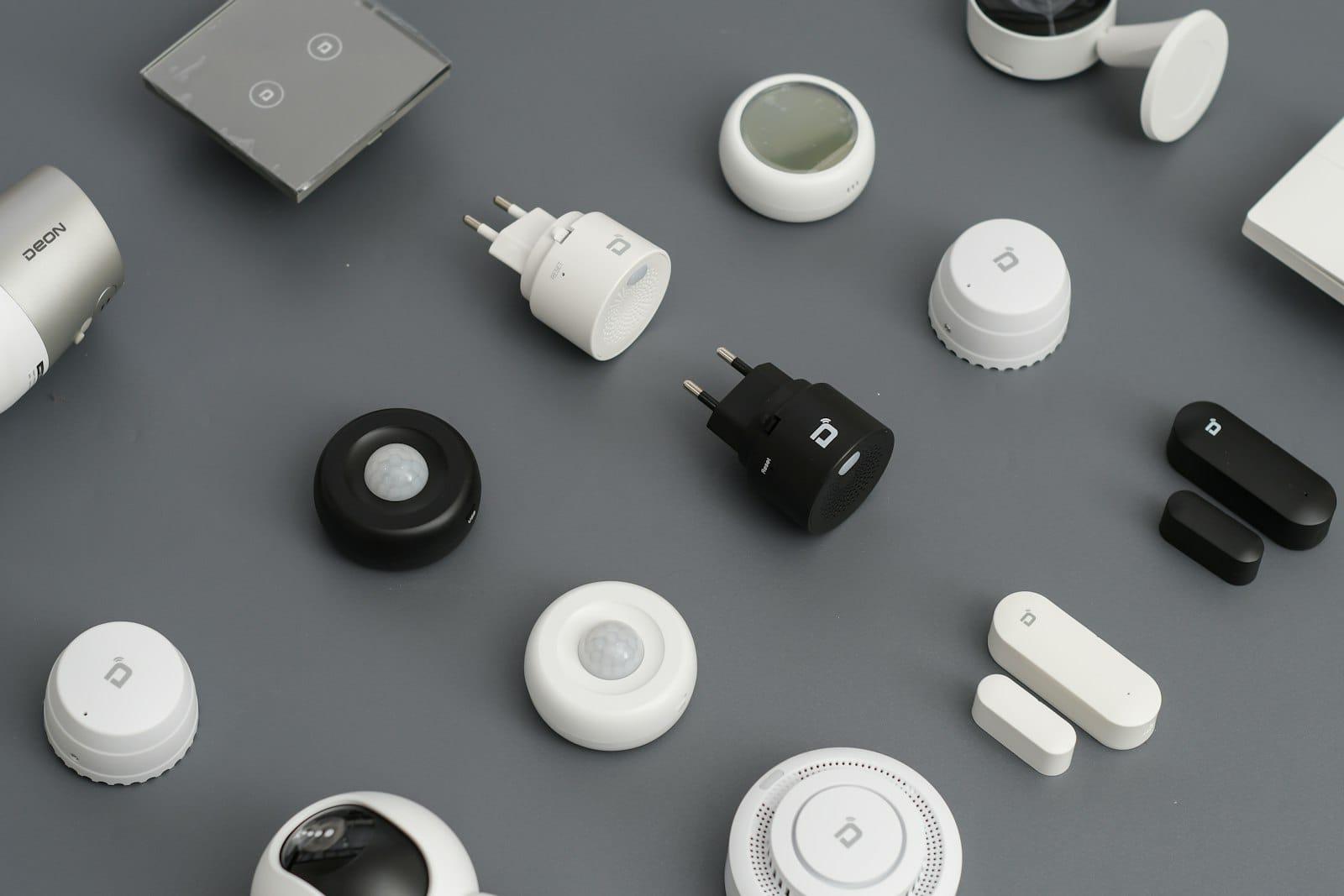
For every gadget that genuinely improves daily life, a dozen end up in a drawer. The difference is almost never the spec sheet; it is whether the device solves a real, recurring annoyance with less friction than the manual alternative. That is the only test worth applying before you buy.
The gadgets that survive share a profile. They automate something you do often and find tedious, they work reliably without constant fiddling, and they integrate into what you already own rather than demanding a new ecosystem. Retrofit home modules like SwitchBot are a good example — small, single-purpose, and quietly useful. The non-powered version of the same principle is a durable replacement for something you already carry daily: a waxed-canvas insulated bag from Asebbo does one job and stops you buying a new cool bag every eighteen months.
The gimmicks fail the opposite way: they invent a problem, depend on a fragile app or cloud service, and demand attention rather than saving it. A useful filter before buying anything is to ask honestly whether you will still be using it in six months, or whether the appeal is purely novelty.
Restraint, again, is the through-line. The same philosophy guides our smart home done tastefully approach and the buy-fewer-better ethos of designer accessories that last. A calm, uncluttered space — supported by considered textiles — is the goal that a good gadget serves, not overrides.
Rank by the Annoyance, Not by the Device
Almost every regretted purchase in this category solved a problem the buyer did not have. Working from the irritation rather than the product resolves it:
| The annoyance you actually feel | What addresses it |
|---|---|
| Getting up to turn things off | Smart plugs, which are the cheapest useful device |
| Coming home to a dark, cold house | A schedule, not an app you have to open |
| Not knowing if you locked up | A sensor, which is cheaper than a smart lock |
| Repeating a sequence every night | One scene or routine, not six devices |
| Noise, in a flat or a shared house | Acoustic treatment, which no gadget replaces |
| Forgetting to water, feed, refill | A timer, usually a mechanical one |
Two rows are deliberately not smart devices. A great deal of what smart-home marketing addresses is solved better and more reliably by a timer, a hook or a habit.
The Reliability Test
A device that works ninety per cent of the time is worse than no device, because you now have to check. Before buying, ask:
- Does it work when the internet is down? Local control is the single biggest divider between products that stay in use and products that end up in a drawer.
- What happens when the company stops supporting it? Cloud-dependent hardware can be switched off by someone else's business decision.
- Can somebody else in the house use it? A device only you can operate is a device that generates complaints.
- How does it fail? A lock that fails locked is different from one that fails open, and both should be a deliberate choice.
The Batteries Nobody Counts
Every sensor is a small recurring obligation. Ten sensors is ten batteries, and the day one dies is the day the automation silently stops. Practical mitigations: prefer mains-powered devices where the position allows, buy devices that report battery level, and replace them all on one date each year rather than reactively.
The same applies to firmware. A device that needs manual updates will not get them; one that updates itself needs to be from a company you are content to keep trusting.
What Genuinely Earns Its Place
The short list, in order of how consistently people keep using it:
- Smart plugs, for lamps and anything with a physical switch.
- Good lighting control, because light affects a room more than any other variable.
- Leak and smoke sensors, which are the only category here that prevents a loss rather than an inconvenience.
- A thermostat, if you have a heating system it can actually control.
- A single well-placed camera, if there is a specific thing you want to see.
Everything else is worth borrowing before buying. For keeping the visible hardware subordinate to the room, see smart homes that don't look like spaceships and smart home for the modern home.
Buy for the annoyance you actually have, demand reliability, and let novelty be a reason to wait rather than to buy. Editorial; compatibility varies.
Sources
Continue Reading
Continue in this collection



Found this useful? Explore more in the Journal.
BACK TO JOURNAL