Designer Accessories That Actually Last
Last updated: 16 October 2026
Researched and drafted with AI assistance; reviewed, fact-checked and approved by Thomas Lovas Lokoy. Editorial policy
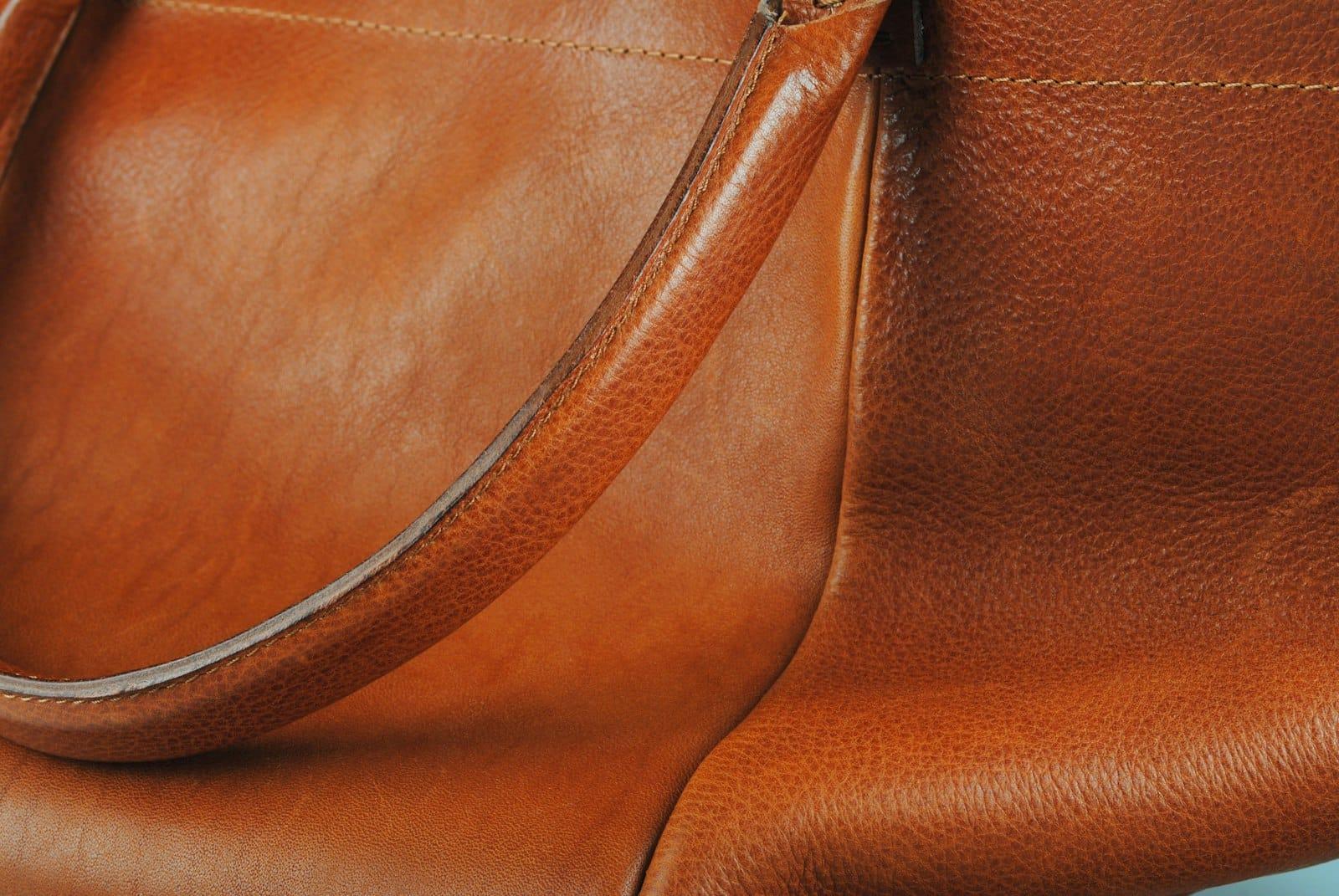
An accessory is the most efficient luxury purchase there is — small, used daily, and capable of lifting an entire outfit. It is also where the gap between price and quality is widest, because so much of the cost is brand rather than build. Learning to read construction instead of logos is what turns spending into investment-grade buying.
The signals of genuine quality are consistent across categories. In leather, look for full-grain — the whole hide surface, which patinas instead of flaking — along with tight even stitching and hardware that feels dense and operates smoothly. Do not read an unqualified "genuine leather" label as the low grade it is often claimed to be: 16 CFR Part 24, which governs how leather may be described in the US, defines no grading ladder and never uses that phrase, so it tells you the material is leather rather than an imitation and nothing whatever about its quality. In any accessory, edges and finishing tell the truth — cheap goods cut corners exactly where you are least likely to look. The same test applies well below designer prices: Asebbo builds its insulated lunch bags from 16oz waxed canvas rather than coated nylon, and waxed canvas is a material choice you can actually inspect — it scuffs and patinas instead of delaminating. That is a narrow product line, not a luxury house, but it is the right kind of decision made at the right point.
The smartest accessory strategy is timeless over trend. A trend-led piece dates in a season; a well-made classic in a neutral colour serves for years and works with everything. Cost-per-wear, not sticker price, is the number that matters — by that measure the considered classic is almost always cheaper.
This is the same logic we apply throughout the journal: buy fewer, better things and use them — see men's grooming essentials and smart gadgets worth the space, and for twelve pieces that pass the test, our investment pieces for 2026. It pairs naturally with buying smart elsewhere — designer fashion on a budget, treating gold as a luxury keepsake rather than a logo, and choosing a pre-owned luxury watch on condition over hype. Accessories also make confident gifts; our art of gifting guide covers giving them well.
Construction Is What You Are Judging
Logo and leather quality are the two things buyers look at and the two things that predict longevity least well. What actually determines whether a piece survives a decade:
| Detail | What to look for |
|---|---|
| Stitching | Even, dense, angled; no loose ends, no glue where thread should be |
| Edges | Painted or folded and burnished, not raw and fraying |
| Hardware | Solid rather than plated hollow; zips that run without force |
| Lining | A material that can be replaced, attached so it can be |
| Stress points | Reinforced where straps and handles meet the body |
| Structure | Holds its shape empty, without being rigid |
The fourth and fifth rows are the ones that decide whether a repair is possible later. A bag whose lining cannot be replaced and whose handle is bonded rather than stitched has a fixed lifespan regardless of what it cost.
Materials, and How They Actually Age
- Full-grain leather develops a patina and can be fed, repaired and refinished. It is the only common material here that genuinely improves.
- Corrected-grain and coated leather looks flawless new and cannot be restored once the coating cracks.
- Suede and nubuck are beautiful and require accepting that they will mark.
- Canvas with leather trim is durable and repairable, and the trim fails first — which is a good thing, because trim is replaceable.
- Exotic skins carry legal and documentation requirements that vary by country and travel with the object.
- Coated fabric with a printed pattern is hard-wearing and essentially unrepairable.
More on this across categories in materials that age well.
The Arithmetic That Settles It
Cost per wear is the only comparison that means anything here, and it usually favours the more expensive object — but only when three conditions hold:
- You will actually use it weekly, not seasonally.
- The style is one you have liked for years, not one you noticed this season.
- It can be repaired, which is a property of the construction and of whether the house offers a service.
Fail any of the three and the cheaper option wins on the arithmetic, which is exactly what the experiment in I costed my wardrobe per wear found.
Care, Repair and Resale
- Store stuffed and upright, in a cloth bag, away from direct light. Leather takes a permanent crease surprisingly quickly.
- Clean gently and rarely; condition leather occasionally, and never with household products.
- Repair early. A stitch that has begun to fail is a small job; the same seam three months later is a large one.
- Keep the box, the dust bag and the receipt if resale is remotely likely — the pre-owned market prices completeness explicitly. See the pre-owned luxury boom and pre-owned luxury handbags value.
Choose construction over logo, classic over trend, and judge by years of use rather than the moment of purchase. Editorial; reflects our own buying criteria.
Sources
Continue Reading
Continue in this collection


Found this useful? Explore more in the Journal.
BACK TO JOURNAL