Gold as a Luxury Keepsake: Buying Jewellery Well
Last updated: 1 June 2026
Researched and drafted with AI assistance; reviewed, fact-checked and approved by Thomas Lovas Lokoy. Editorial policy
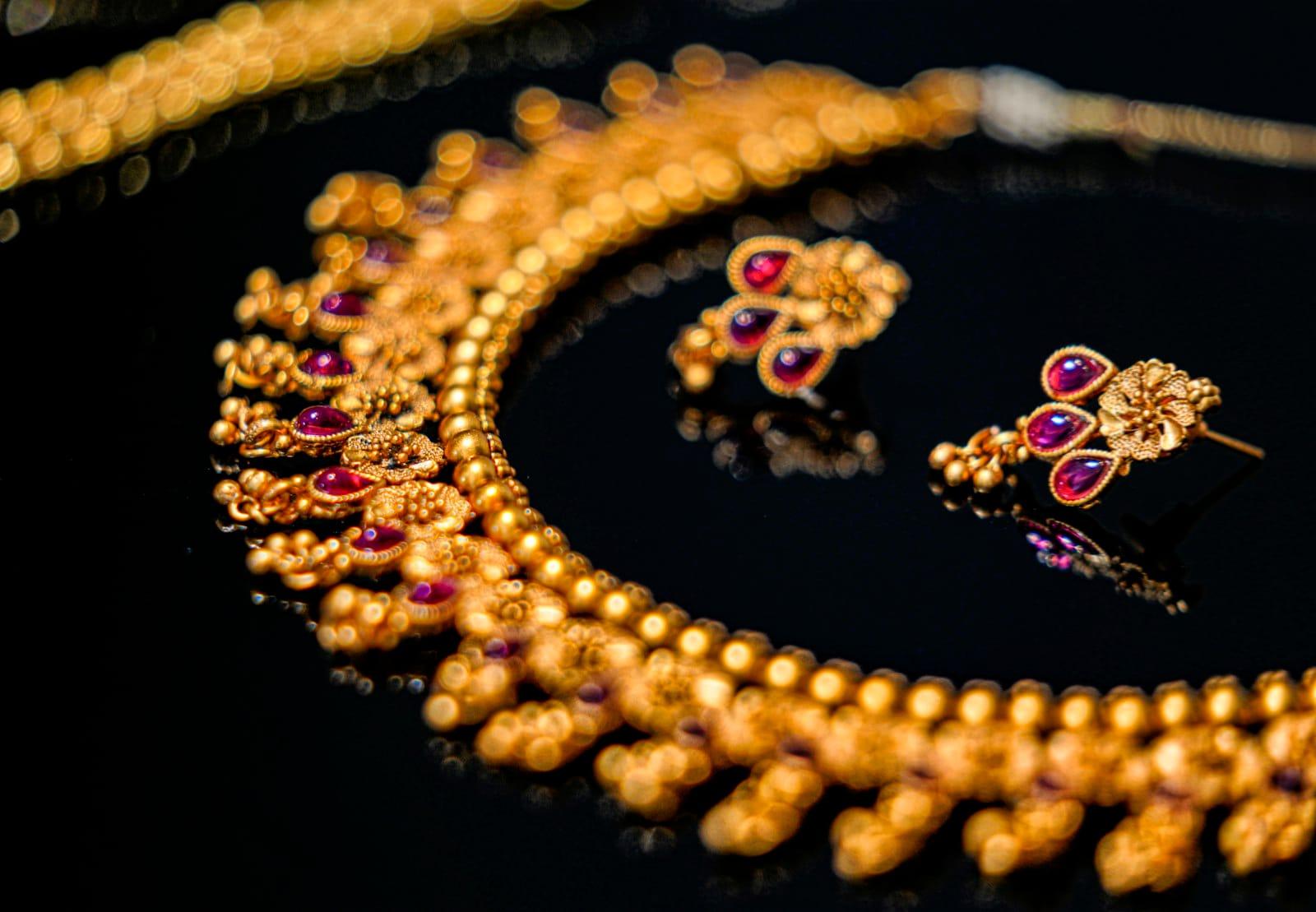
Gold jewellery occupies a unique place in luxury: it is simultaneously an object of beauty and a tangible heirloom. This article is about buying it well as a keepsake — something worn, treasured and passed on — and explicitly not about treating it as an investment, which is a different discipline with different risks and is not advice we give.
Start with purity, expressed in karats. 24k is pure gold but soft and easily marked; 18k (75% gold) is the sweet spot for fine jewellery, balancing richness of colour with durability; 14k is harder-wearing and more affordable. Knowing this stops you overpaying for the wrong piece for the wrong use — an everyday ring and a special-occasion necklace have different ideal karats. Established houses such as Chow Sang Sang publish transparent, weight-based pricing, and you can see current reference levels via their gold price page, which is a useful sanity-check against opaque mark-ups elsewhere.
Craftsmanship and provenance are what separate a keepsake from a commodity. Look at the finishing, the security of clasps and settings, and the maker's hallmark. A piece made well and documented properly holds both its sentimental and its resale value far better than an anonymous one.
As a gift, fine jewellery is among the most meaningful things you can give — see our art of gifting guide for doing it with the right ceremony. It also reflects the journal's recurring theme of buying few, lasting things rather than many disposable ones, echoed in designer accessories that last and building a refined daily ritual — and it sits at the opposite pole from purely digital assets, a contrast we explore in what actually survived the NFT crash.
Purity, and What the Marks Actually Certify
Gold is sold by fineness, and the choice is a trade-off rather than a ranking:
| Fineness | Karat | Character |
|---|---|---|
| 999 | 24k | Pure, deep colour, too soft for most jewellery |
| 916 | 22k | Rich colour, still soft; traditional in many markets |
| 750 | 18k | The usual fine-jewellery standard; good balance |
| 585 | 14k | Harder, paler, more durable for daily wear |
| 375 | 9k | Least gold; more prone to tarnish from the alloy |
A hallmark, where the market requires one, certifies the fineness — how much gold is in the alloy. It does not certify workmanship, design, weight, or that the gemstones are what the seller says. Those are separate claims requiring separate evidence.
Learn to read the marks for the market you are buying in. They typically record the fineness, an assay office and a maker, and their absence on a piece sold as fine gold is a question worth asking rather than an answer.
The Spread Between Buying and Selling
This is the part that most changes what "keepsake" should mean:
- You buy jewellery at a price that includes design, making, retail margin and often tax.
- You sell it, in most cases, at scrap value — the metal weight times the day's price, less a refiner's margin.
- The gap is large, and it does not close because the metal price rose.
Pieces that escape this are the exception: signed work by a house with a genuine secondary market, antique pieces of documented provenance, and anything of real historical interest. For everything else, treat the resale value as a floor rather than a plan — which is the honest version of the whole "gold as an investment" framing, and is covered properly in watches, wine and whisky.
Buying Well
- Weigh it and check the fineness. Both are objective and both are checkable.
- Ask what the making charge is as a separate figure. Reputable sellers will tell you; the answer explains most of the price difference between two similar pieces.
- Check the clasp, the hinge and the joins. These are what fail, and they reveal the quality of the work more than the surface does.
- Get a written description, including weight, fineness and any stones, on the receipt itself.
- Keep the paperwork. For anything significant, the file is part of the object — the argument made across the fleet's collecting coverage.
Wearing and Keeping It
- Higher fineness scratches more easily. That is a property of gold, not a fault, and the marks that accumulate are the point on a piece worn daily.
- Store pieces separately, in soft pouches, so they do not abrade each other.
- Remove before swimming, cleaning and sport. Chlorine attacks the alloy metals rather than the gold, which is how a chain fails at the link.
- Have settings checked periodically if there are stones. A lost stone is almost always a worn claw that could have been seen.
- Insure by schedule, with a valuation, rather than assuming a household policy covers it.
Buy for beauty and longevity, verify purity and provenance, and treat any resale value as a bonus rather than a plan. Editorial; not investment advice.
Sources
Continue Reading
Continue in this collection

Found this useful? Explore more in the Journal.
BACK TO JOURNAL