The Art of Considered Gifting
Last updated: 16 October 2026
Researched and drafted with AI assistance; reviewed, fact-checked and approved by Thomas Lovas Lokoy. Editorial policy
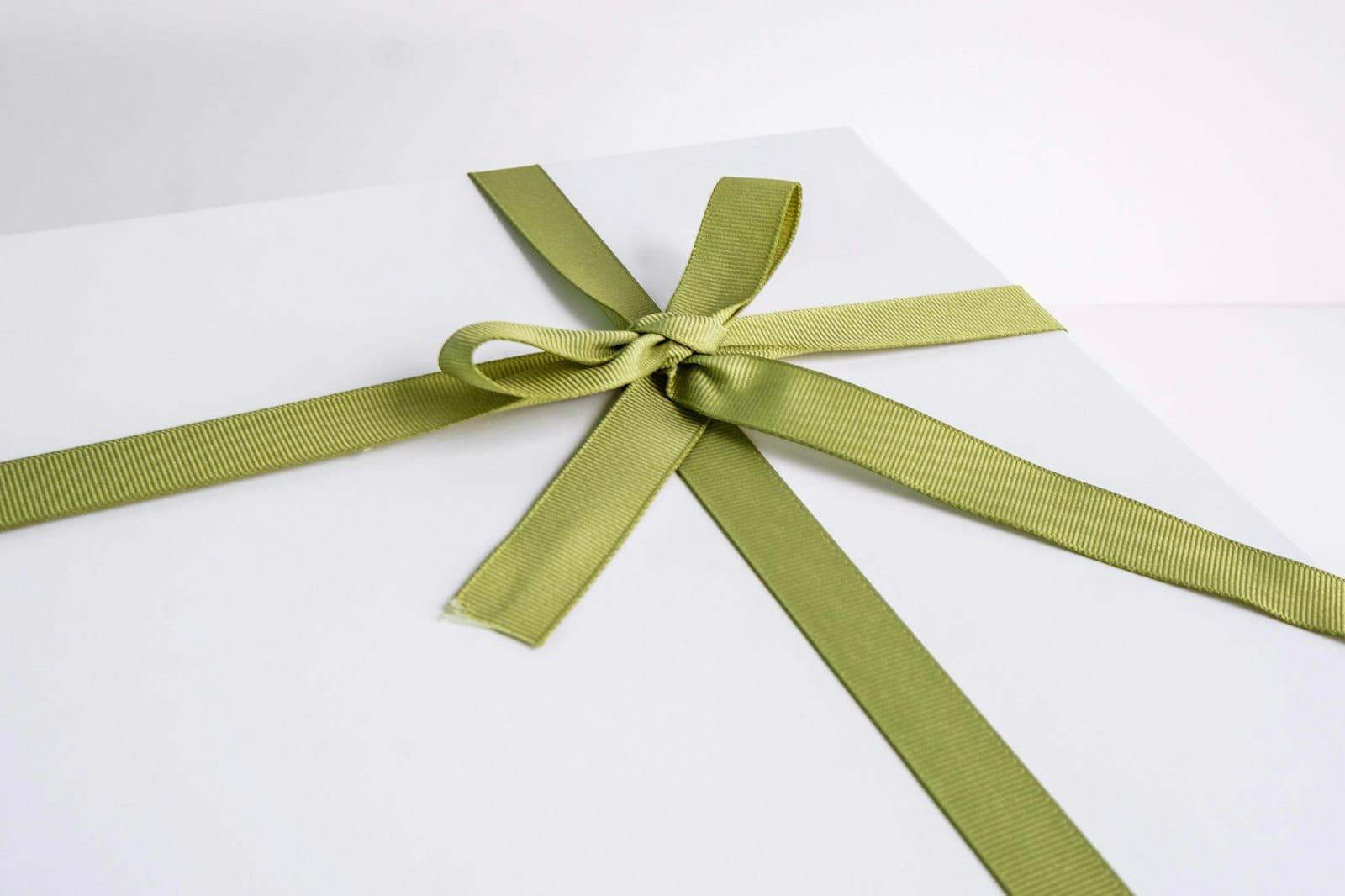
Good gifting is a skill, not a budget. The most memorable gifts are rarely the most expensive; they are the most considered — the ones that show you paid attention. A simple framework prevents both the panic-buy and the overspend, and it works for nearly anyone on your list.
The framework is three questions. What does this person enjoy but rarely buy for themselves? What is a small upgrade to something they already use daily? And what creates an experience rather than just an object? Answering any one of these beats a generic luxury good every time. A fine box of gourmet chocolate, a premium alcohol-free spirit for the host who is cutting back, or a curated Nordic experience all hit the "enjoy but rarely buy" note perfectly.
For the daily-upgrade angle, think about what they touch every morning — a better grooming product, a proper soak like Coach Soak, or a thoughtfully made accessory. For a tasting-led gift that suits almost anyone, a Sentia tasting bundle or a small selection of zChocolat gives them variety without you having to guess their exact preference.
Presentation finishes the job. A modest gift, beautifully presented and clearly chosen with the person in mind, outperforms an expensive one handed over in its shipping box. Wrap it, write a real note, and time it well.
The same restraint runs through everything we cover — grooming, fragrance and skincare all reward the considered approach over the extravagant one.
More of this thinking, applied to other corners of the same life, sits in the journal, and for why a gift creates an obligation in the first place, read the history of gift-giving.
The Structure Underneath a Good Gift
Gifts that land well share a shape, and it is learnable rather than intuitive. A gift works when it satisfies at least three of these five:
- Attention. It demonstrates that you noticed something specific about the person.
- Permission. It is something they want and would not buy for themselves, which is the most reliable category of all.
- Use. It enters their life rather than their storage.
- Fit. It suits their actual home, wardrobe or routine, not the version of them in your head.
- Grace. It does not obligate them, embarrass them, or require a performance of gratitude.
Expensive gifts fail on the fifth more often than cheap ones do. A gift that visibly costs a great deal transfers a debt, which is the opposite of the intended effect.
Matching the Gift to the Relationship
| Relationship | What works | What misfires |
|---|---|---|
| Close family | Something personal, or time together | Anything generic |
| A partner | Attention to a specific, stated want | A surprise that reveals inattention |
| A good friend | Shared reference, or an indulgence | Something practical they should buy |
| A colleague | Consumable, neutral, modest | Anything personal, anything scented |
| A host | Something for the evening or the house | Something that creates work for them |
| Someone who has everything | Consumable, made-to-order, or an experience | Another object |
The last row is the genuinely hard case and it has a reliable answer: things that get used up, things that cannot be bought ready-made, and things that happen rather than sit. That is the whole argument in how to buy a gift for someone who buys their own.
Presentation Is Not Decoration
The wrapping is part of the gift and costs almost nothing to get right:
- Wrap it yourself, even imperfectly. A shop's wrapping communicates convenience.
- Write something specific. A card that names the reason outlasts the object; a card that says "hope you like it" does not.
- Remove the price, always, including from a book's inside flap.
- Give it in person where you can, and without a preamble that manages expectations.
The Practical Habits
- Keep a running note through the year of things people mention. This one habit produces better gifts than any amount of December effort.
- Buy when you see it, not when the date arrives. The best gift is rarely available in the last week.
- Set a budget per relationship before you shop, so the decision is about fit rather than price.
- Keep a small reserve of good, neutral gifts for the occasion you did not see coming — a bottle, a candle, a good box of something.
For the seasonal version of this, see the 2026 holiday gift guide and corporate gifting without the cringe.
Give with attention, not just money. That is the whole art. Editorial.
Sources
Continue Reading
Continue in this collection



Found this useful? Explore more in the Journal.
BACK TO JOURNAL