Non-Alcoholic Luxury Spirits: The Sentia Guide
Last updated: 1 June 2026
Researched and drafted with AI assistance; reviewed, fact-checked and approved by Thomas Lovas Lokoy. Editorial policy
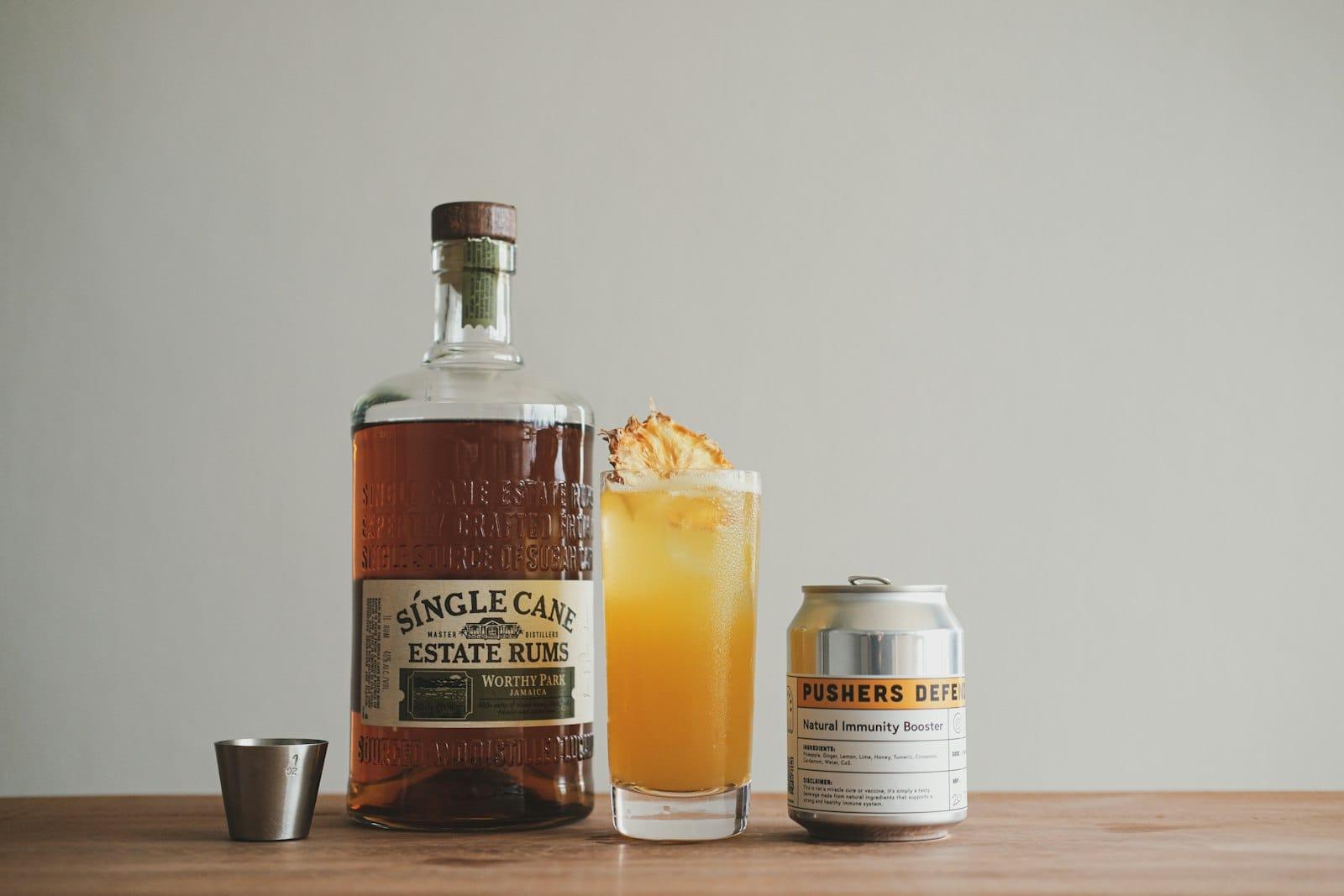
The alcohol-free category used to mean flat, sweet imitations of the real thing. That has changed completely. The premium end now offers genuinely interesting drinks designed to be enjoyed on their own terms, not as apologetic substitutes — and the best of them have a point of view about how they make you feel, not just how they taste.
The most distinctive example is the GABA-focused approach. Sentia Spirits, created by a team researching the science of relaxation, builds its drinks around botanicals intended to evoke the social ease of a drink without the alcohol. The range gives you a clear way in: the lighter, brighter Sentia GABA Red and GABA Gold sit at the aperitif end, while the deeper, more complex GABA Black and the barrel-character Sentia Cask suit a slow evening pour. The flagship range and a tasting bundle are the sensible places to start if you are unsure which profile you prefer.
How to serve them matters. These are spirits, so treat them as such — over good ice, with a quality tonic or soda, garnished properly. Served carelessly they disappoint; served with the same care you would give a gin, they hold their own at the table.
This fits a broader shift we cover across the journal. For hosting, our sober-curious entertaining piece pairs these with food and gourmet chocolate. As a gift, a premium alcohol-free bottle is increasingly welcome — see the art of gifting. And it slots naturally into the wind-down end of a refined daily ritual.
What These Drinks Are Made Of
Understanding the production explains both the price and the flavour, and it is more varied than the shelf suggests:
| Method | What it produces |
|---|---|
| Distillation of botanicals | Aromatic, closest in structure to a spirit |
| Maceration and infusion | Deeper, often more bitter, less volatile aroma |
| Dealcoholisation of a finished drink | Retains some original character; can taste hollow |
| Blending of extracts | Consistent, and the most variable in quality |
Distilled botanical products carry real production cost, which is the honest part of the pricing. What no method solves is that alcohol itself carries aroma, adds weight to the mouthfeel and provides a slight warmth — so the good products succeed by building structure another way, usually with bitterness, acidity and tannin, rather than by imitating the original.
That is why a bottle judged as "not quite gin" disappoints and the same bottle judged on its own terms often does not.
Serving Them Properly
These drinks are less forgiving than spirits and reward attention:
- Serve cold, and keep them cold. Aromatics fade fast at room temperature with no alcohol to carry them.
- Do not over-dilute. Most of the range is lighter in body than the spirit it echoes; drowning it removes what is there.
- Use tonic and soda you would drink alone. The mixer is a larger proportion of the glass than usual.
- Add acidity. A squeeze of citrus does more for balance here than any other single adjustment.
- Store opened bottles cold, and finish them within weeks rather than months. Without alcohol as a preservative, these are closer to a vermouth than to a spirit.
Judging Quality Without the Marketing
- Taste it neat first, at room temperature, before deciding how to serve it. This tells you what is actually in the bottle.
- Look for bitterness or tannin, which is what gives a drink length. Sweetness alone tires quickly.
- Check the finish. The common weakness is a flavour that disappears the moment you swallow.
- Ignore the design. This category leans harder on packaging than almost any other, precisely because the liquid is difficult.
Where They Fit
At a table, these belong wherever an aperitivo or a digestif would, and they suit occasions rather than replacing a habit. They are worth having for guests, for evenings that should stay clear, and for the growing number of people for whom alcohol is simply not part of the plan.
These are drinks, not medicinal products, and nothing here is a claim about effects. For hosting with them, see the sober-curious entertaining guide.
Editorial only; these are not medicinal products, and individual responses to relaxation botanicals vary.
Sources
Continue Reading
Continue in this collection


Found this useful? Explore more in the Journal.
BACK TO JOURNAL