Luxury Skincare: What’s Worth Paying For
Last updated: 1 June 2026
Researched and drafted with AI assistance; reviewed, fact-checked and approved by Thomas Lovas Lokoy. Editorial policy
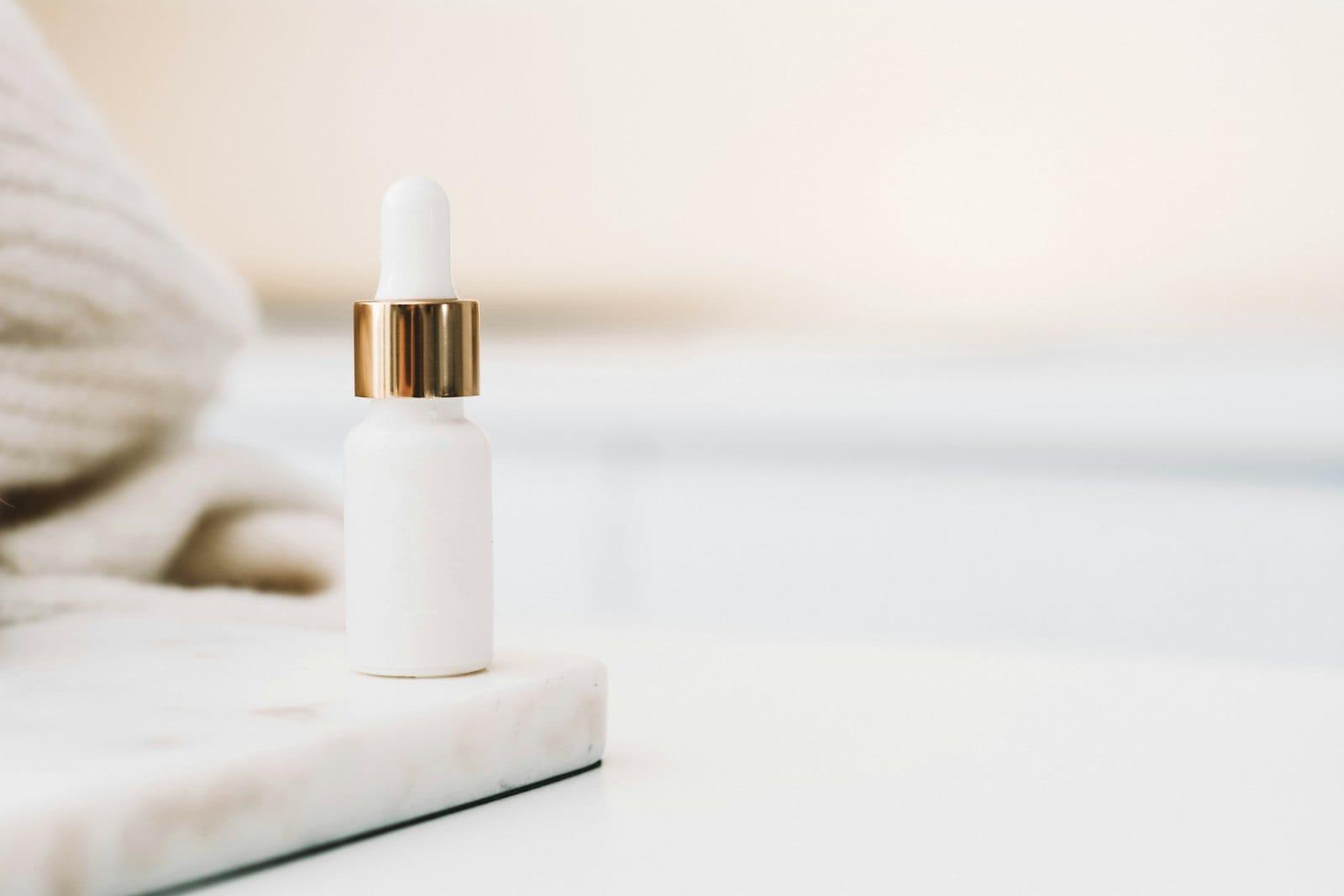
Skincare is the category where price correlates least with results. A €200 cream and a €20 one often share the same active ingredients at the same concentrations; you are frequently paying for texture, scent and the jar. That does not mean premium is always a waste — it means you need a filter for when it is justified.
The actives with the strongest evidence are unglamorous and cheap to formulate: sunscreen (the single highest-return product there is), retinoids, vitamin C, niacinamide and simple humectants. Where premium can genuinely earn its place is in formulation elegance — stable delivery of finicky actives, textures you will actually use daily, and clean, fragrance-light formulas for sensitive skin. Considered-formulation brands sit in that space, which is the right reason to pay up: you will use a product you enjoy, and consistency is what produces results.
The mistake is buying the expensive moisturiser while skipping daily sunscreen — that is paying for the dessert and skipping the meal. Get the high-evidence basics right first; the luxury layer is optional polish on top.
This is the same principle that runs through our grooming essentials guide — few things, used well — and it anchors the morning half of a refined daily ritual. As a gift, skincare is tricky because skin is personal; our art of gifting piece suggests safer ways to give it.
What You Are Actually Paying For
Price in this category is only loosely related to what the product does. Separating the components makes the decision much easier:
| Cost component | Does it affect the result |
|---|---|
| Active ingredients and their concentration | Yes, and this is the only reliable driver |
| Formulation and stability work | Yes — a good active in a bad base does nothing |
| Packaging that protects the formula | Yes, for anything light- or air-sensitive |
| Packaging that looks expensive | No |
| Marketing, licensing and retail margin | No |
| Sensory experience — texture, scent | Only in that you will use it |
The last row is the one worth taking seriously rather than dismissing. A pleasant product used every morning outperforms a superior one used twice a month, and that is not a small effect. It is the honest case for spending more than the minimum.
The Ingredients With the Most Evidence Behind Them
A short list carries most of the demonstrated benefit, and all of it exists at every price point:
- Sunscreen, used daily. Nothing else in skincare has a comparable evidence base for preventing visible ageing.
- Retinoids, for texture and fine lines, introduced slowly.
- Vitamin C, in a stable formulation, for tone.
- Niacinamide, which is well tolerated and does several useful things at once.
- A simple moisturiser with humectants and an occlusive, matched to your skin rather than to a trend.
Everything beyond that is refinement. A routine of five things done consistently beats a routine of fourteen abandoned by March, which is the argument made at more length in the modern gentleman's skincare routine decoded.
Reading a Label Rather Than a Claim
Ingredient lists are ordered by concentration down to one percent, after which order means nothing. Three practical consequences:
- An active listed near the end is likely present below the level at which it was studied. Its appearance on the front of the box tells you nothing about the dose.
- "Contains" is not a claim about quantity. Look for brands that state the percentage.
- Water, glycerin and a silicone at the top describes most moisturisers at any price. That is not a criticism; it is a reason not to pay a premium for the base.
Fragrance is the other line worth checking. It is not harmful for most people, and it is the most common cause of irritation for the minority it affects.
Where the Money Is Genuinely Better Spent
- On things you use daily, because that is where cost-per-use collapses. The same arithmetic as cost per wear.
- On stable packaging for actives — opaque, airless, pumped rather than dipped.
- On one professional consultation, which resolves more than a year of experiment.
- Not on a full brand line. Brands sell the routine; skin does not require the set.
Spend on what you will use every day, judge by the ingredient list rather than the jar, and never let a luxury cream replace sunscreen. Editorial and not dermatological advice — see a professional for any skin condition.
Sources
Continue Reading
Continue in this collection



Found this useful? Explore more in the Journal.
BACK TO JOURNAL