How to Buy Fine Fragrance Without Wasting Money
Last updated: 1 June 2026
Researched and drafted with AI assistance; reviewed, fact-checked and approved by Thomas Lovas Lokoy. Editorial policy
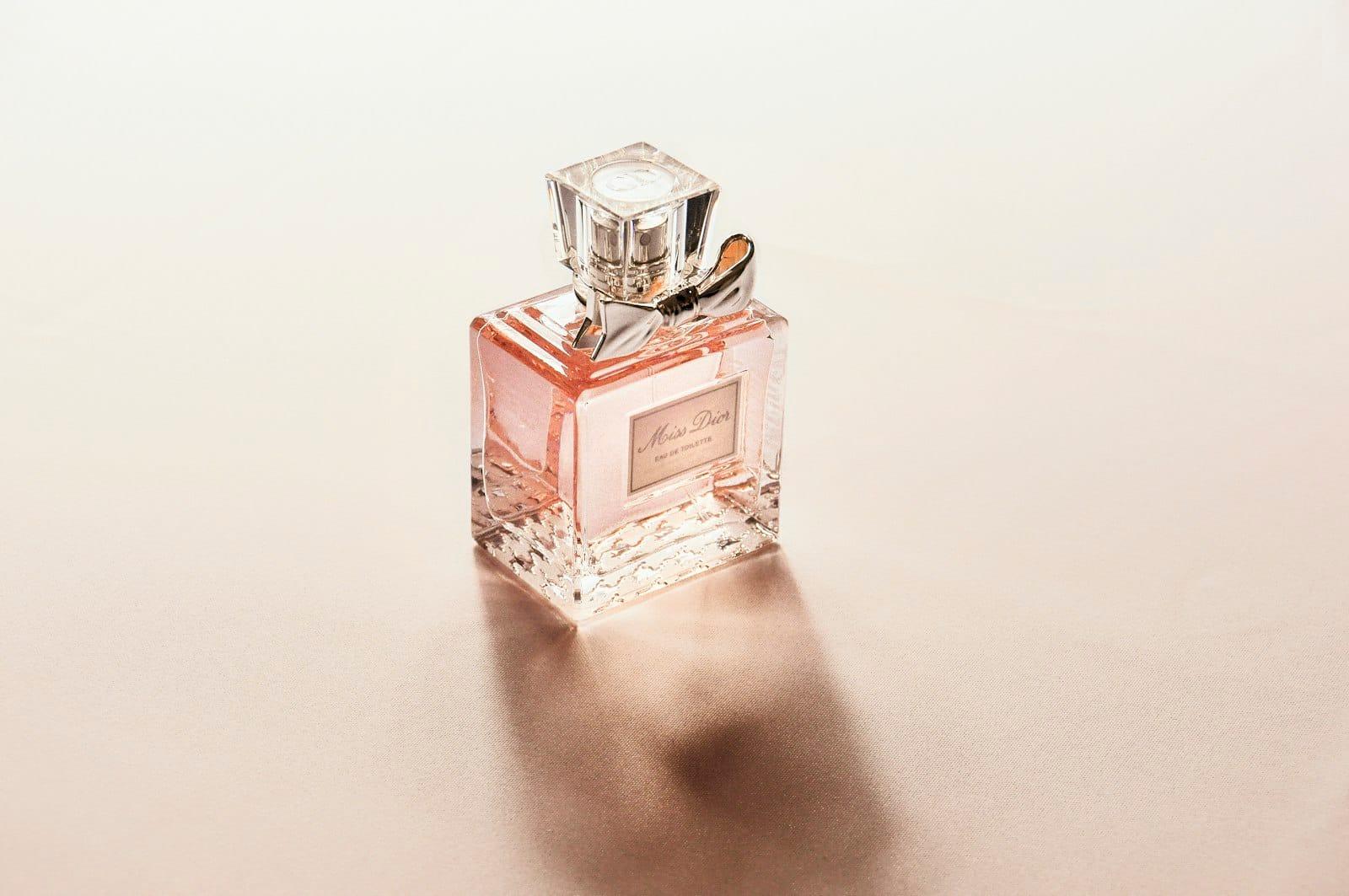
Fragrance is the luxury category where the most money is wasted, because it is bought emotionally, in five minutes, under shop lighting, on skin already wearing three other scents. A little method turns it from a gamble into one of the most rewarding small luxuries there is.
First, understand concentration. Eau de cologne is light and fleeting; eau de toilette sits in the middle; eau de parfum is richer and lasts longer; parfum/extrait is the most concentrated. Price-per-millilitre looks high at the top, but longevity means you use less, so the real cost is closer than it appears. Retailers with broad ranges such as The Fragrance Shop make it easier to compare across houses and concentrations rather than being captive to a single counter.
The single best habit is sampling properly. Never buy on the first spray — wear it for a full day on skin, not paper, and judge how it evolves and whether you still like it by evening. Order discovery sets or decants before committing to a full bottle. This one discipline saves more money than any discount.
Fragrance is also a deeply personal gift, which makes it risky — our art of gifting guide explains when to gift scent and when to gift a discovery set instead. It is a natural part of the morning sequence we describe in building a refined daily ritual, and it complements the grooming essentials approach of choosing few things well. The same discipline applies to scenting a room — see our luxury home fragrance guide for a home that smells expensive rather than synthetic.
Concentration Is Not Quality
The names on the bottle describe how much perfume oil is in the alcohol, which changes longevity and projection rather than how good the scent is:
| Designation | Roughly | Behaves like |
|---|---|---|
| Eau de cologne | The lightest | Bright, short, refreshing |
| Eau de toilette | Light to moderate | Clear opening, moderate life |
| Eau de parfum | Moderate to high | The common modern default |
| Parfum or extrait | The highest | Close to the skin, long, quiet |
A common misreading: the highest concentration is not the loudest. Extrait frequently projects less and lasts longer, sitting close to the skin. If you want to be noticed across a room, that is often an eau de parfum rather than the more expensive extrait.
Testing Properly
Most bad fragrance purchases are testing failures rather than taste failures:
- Spray on skin, not paper. Blotters show the opening and nothing else.
- Wait at least an hour before deciding. The first ten minutes are the most volatile materials and are frequently the least representative.
- Test no more than three in a session, and never after a strong coffee or a heavy meal.
- Wear it for a full day before buying, which is what samples are for and why a good shop will provide them.
- Test in the season you will wear it. Heat amplifies and speeds everything.
Skin chemistry genuinely differs, which is why a scent that is wonderful on someone else may be flat on you. That is not a myth; it is the main reason to buy on skin.
Building a Small Wardrobe
Three bottles cover almost every occasion, and more than five means most of them are ageing unopened:
- Something fresh for warm weather and daytime — citrus, aromatic, green.
- Something warm for cold weather and evening — woods, resins, spice.
- Something neutral for work and close quarters, where the correct amount of presence is very little.
Add only when there is a gap you actually feel, not when there is a launch.
Storage, and the Sprays That Are Wasted
- Keep bottles cool, dark and closed. Light and heat degrade fragrance faster than anything else, which makes a sunlit bathroom shelf the worst place in the house.
- Do not decant into unsealed containers for more than a trip.
- Two sprays, on skin, at pulse points. Most people over-apply, and the person wearing a scent is the last to notice it.
- Do not rub the wrists together. It crushes the top notes for no benefit.
- An opened bottle has a life. Citrus-led scents fade first; heavier compositions keep for years.
For where scent fits in a considered routine, see building a refined daily ritual; for houses worth knowing, the best fragrances of 2026.
Buy seasonally and sparingly: a fresh scent for warm months, something deeper for cold ones, and resist the urge to own a dozen. Two or three you genuinely love beat a shelf of impulse buys. Editorial; scent is subjective.
Sources
Continue Reading
Continue in this collection

Found this useful? Explore more in the Journal.
BACK TO JOURNAL