The Best Niche Perfume Houses of 2026: Ten Worth Knowing
Last updated: 30 September 2026
Researched and drafted with AI assistance; reviewed, fact-checked and approved by Thomas Lovas Lokoy. Editorial policy
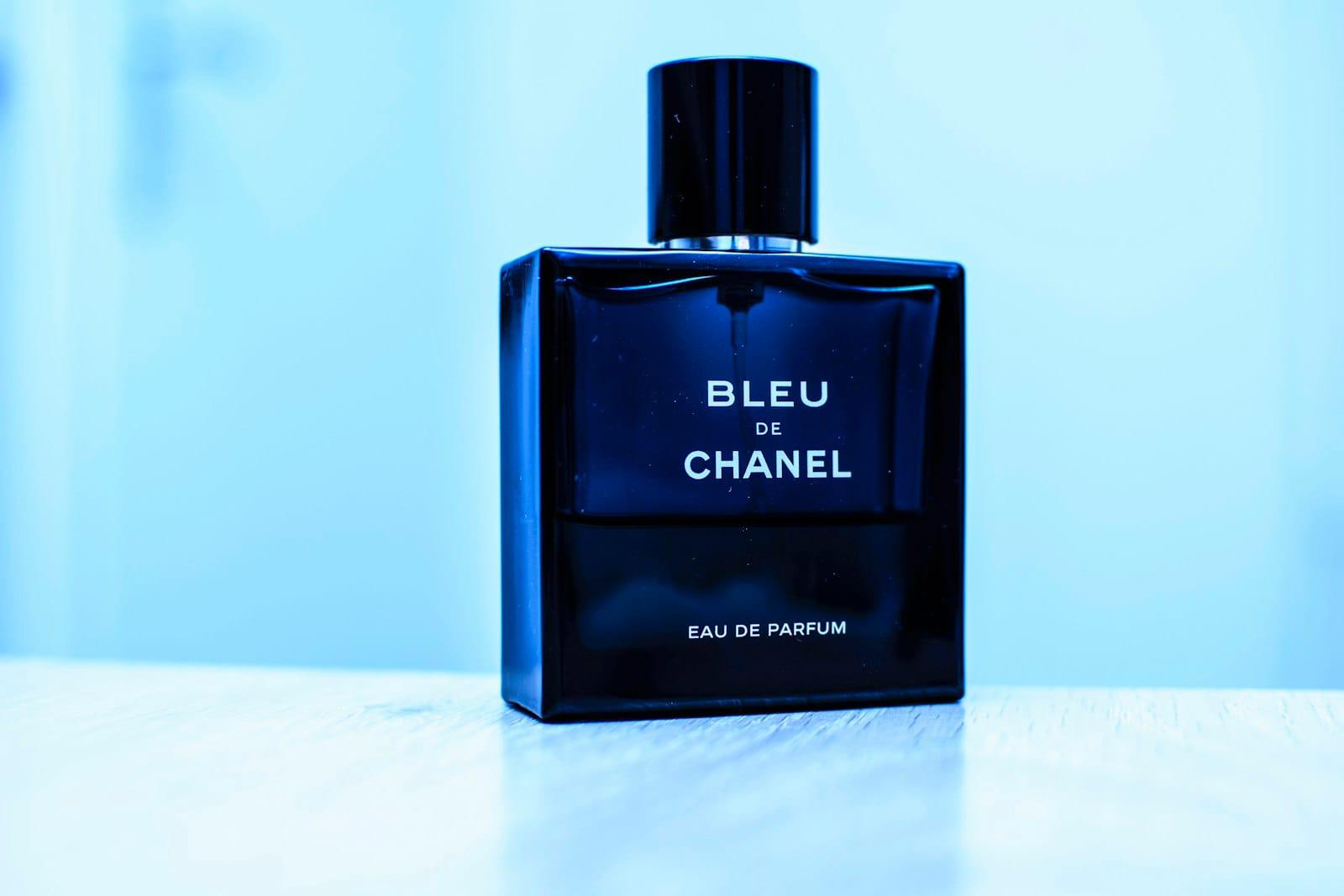
Ten real niche perfume houses, the scents they are known for, and what each house itself says is in the bottle.
The short answer: if you are starting with niche perfume in 2026, these ten houses are worth knowing: Frédéric Malle, Maison Francis Kurkdjian, Le Labo, Diptyque, Byredo, Serge Lutens, Amouage, Nishane, Stora Skuggan and Escentric Molecules. Each entry below names one or two signature fragrances and describes them using the notes the house publishes on its own website (checked on 30 September 2026). Nothing here is a hands-on review: scent is personal, skin changes a perfume, and the only test that counts is wearing a sample for a full day.
How this list was put together
"Niche" has no official definition. In practice it describes houses whose main business is perfume, sold through their own boutiques and selective retailers rather than on the back of a fashion label. For this guide a house had to meet three tests:
- It is an established, independent-minded perfume house with its own official website.
- Its signature fragrances and their notes are published on that website.
- Its style is distinct enough from the others here that knowing it teaches you something.
There are no prices below. Niche perfume prices vary by market and change often, so check the house's own site for your country.
The perfumer-led houses
Frédéric Malle runs his house as a publisher: since Éditions de Parfums Frédéric Malle began in 2000, each fragrance has been presented as the work of a named perfumer. Its most famous title is Portrait of a Lady by Dominique Ropion, created in 2010. The house describes it as a Turkish rose "in extravagant proportions", set with raspberry, blackcurrant and clove over patchouli, sandalwood and frankincense. In 2026 it was inducted into The Fragrance Foundation Hall of Fame. The house also lists Carnal Flower and Musc Ravageur among its iconic perfumes.
Maison Francis Kurkdjian is best known for Baccarat Rouge 540, created with the crystal maker Baccarat for its 250th anniversary. The house describes it as woody, ambery and floral: jasmine and saffron at the top, an ambergris-style accord (built on the molecule Ambroxan) with dry woody tones and cedar, and a sweet, slightly gourmand facet from ethyl maltol. For something lighter from the same house, Aqua Universalis is described as "simply fresh and airy", a scent meant to sit between clean clothes and skin.
The modern cult houses
Le Labo names its fragrances after a lead ingredient and a number, as in Bergamote 22, Lavande 31 or Vetiver 46. The one most people know is Santal 33. Le Labo's own description: cardamom with iris and violet, a smoky wood base of Australian sandalwood and cedarwood, and spicy, leathery and musky notes.
Diptyque tells most of its fragrances as travel memories. Philosykos comes from a summer crossing a grove of wild fig trees on Mount Pelion in Greece; the name means "friend of the fig tree" in Greek. The house lists fig leaves, fig tree sap, fig tree wood and black pepper. The eau de toilette is the lighter, livelier version; in the eau de parfum the fruit steps back and white cedar makes the wood stronger. Do Son is the house's memory of a sea breeze mixed with tuberose in Vietnam.
Byredo was founded in Stockholm in 2006 by Ben Gorham, who had no formal perfumery training and briefed established perfumers, among them Olivia Giacobetti and Jérôme Épinette. Its best-known scent, Gypsy Water, opens with bergamot, juniper berries, lemon and pepper, moves to incense, iris and pine needle, and settles on amber, sandalwood and vanilla.
The deep, resinous classics
Serge Lutens made amber a signature. Ambre Sultan, from the house's Collection Noire, was inspired by a piece of amber resin Serge Lutens picked up in the souks of Marrakech, which then lay forgotten for years in a thuja-wood box. The house lists amber, vanilla and patchouli. Chergui, from the same collection, is described as "heady, irresistible and warm".
Amouage describes itself as high perfumery from the Sultanate of Oman, founded in 1983. Interlude Man, composed by Pierre Negrin, is a spicy, woody scent built around "chaos and disorder": bergamot, oregano and pimento berry, then amber, frankincense, cistus and opoponax, over leather, agarwood smoke, patchouli and sandalwood. The house states a 29% oil concentration and six weeks of ageing; its Interlude 53 Man extrait goes to 53% and is aged for 24 weeks in Oman.
The newer and smaller names
Nishane had its breakthrough with Hacivat, launched in 2017 and named after a character from traditional shadow play. It is an extrait de parfum the house files under citrus, chypre and woody: pineapple, bergamot and grapefruit on top, jasmine, patchouli and cedarwood in the heart, and oakmoss and dry woods in the base.
Stora Skuggan is a small Stockholm house that does everything itself. Its perfumers compose and produce the fragrances by hand in their own studio and lab, and make the artwork and packaging too. Its perfumes start from stories rather than note lists: Moonmilk, for example, takes its name and mood from a 1555 account of climbing Mount Pilatus and the white "moonmilk" dripping in the limestone caves of the Alps. If you like a perfume with a story, this is the most unusual house on the list.
The minimalist one
Escentric Molecules, co-founded by perfumer Geza Schoen, strips perfume back to single aroma chemicals. Molecule 01 contains one odorant only: Iso E Super, which Schoen describes as "less an aroma than an effect". Some people can hardly smell it at all, and the house says regular wearers can go nose-blind to it and suggests a month's break. Escentric 01 is the fuller version, with Iso E Super at 65% of the formula alongside lime peel, pink pepper, jasmine bud, orris, balsamic notes and musk.
How to try niche perfume before you buy
A full bottle of niche perfume is a real purchase, and most of these houses make it easy to try first:
- Samples and discovery sets. Frédéric Malle offers samples with orders and sells discovery sets. Maison Francis Kurkdjian lets you add a free sample to try before opening the full bottle. Serge Lutens and Escentric Molecules both sell discovery sets.
- Wear it for a day. A perfume on a paper strip in a shop is not the same as a perfume on your skin eight hours later. Test on skin, one scent per arm at most.
- Try eau de toilette against eau de parfum. As Diptyque's Philosykos shows, the two versions of one scent can smell noticeably different, not just stronger.
- Buy the smaller bottle first. A 50ml bottle of something you love beats a large bottle of something you only liked in the shop.
To compare several houses and testers side by side, a retailer with a broad range, such as The Fragrance Shop, is a sensible place to narrow down a shortlist. Stock differs by house and country.
FAQ
What are the best niche perfume houses in 2026?
There is no official ranking. Ten well-established houses worth knowing are Frédéric Malle, Maison Francis Kurkdjian, Le Labo, Diptyque, Byredo, Serge Lutens, Amouage, Nishane, Stora Skuggan and Escentric Molecules. Each has a distinct style, from Malle's perfumer-signed compositions to Escentric Molecules' single-molecule scents.
What is the difference between niche and designer perfume?
There is no legal definition. "Niche" usually means a house whose main business is perfume, sold through its own boutiques and selective retailers. "Designer" perfume is usually made under licence for a fashion brand and sold far more widely.
How can I try a niche perfume without buying a full bottle?
Order samples or a discovery set from the house itself. Frédéric Malle, Maison Francis Kurkdjian, Serge Lutens and Escentric Molecules all offer samples or discovery sets on their own websites. Wear each one on skin for a full day before deciding.
Why can't I smell Molecule 01?
Molecule 01 contains only Iso E Super, and some people are much less sensitive to it than others. Escentric Molecules says regular wearers can also go nose-blind to it and suggests a month's break. Its Escentric 01 blends the same molecule with other ingredients and is easier to detect.
Which niche perfume is Santal 33?
Santal 33 is by Le Labo. The house describes it as cardamom, iris and violet over a smoky base of Australian sandalwood and cedarwood, with spicy, leathery and musky notes.
Related reading: the modern gentleman's skincare routine decoded, a brief history of men's grooming and a no-nonsense guide to beard oil, balm and wax.
Sources
- fredericmalle.com/product/19566/50241/parfums/portrait-of-a-lady/by-dominique…
- fredericmalle.com/larevue/portrait-of-love-hall-of-fame
- franciskurkdjian.com/int-en/p/baccarat-rouge-540-eau-de-parfum-RA12232.html
- franciskurkdjian.com/int-en/baccarat-rouge-540-collection/landing-BaccaratRou…
- lelabofragrances.com/santal-33-147.html
- us.diptyqueparis.com/en-us/products/eau-de-parfum-philosykos-philop75cv1
- us.diptyqueparis.com/en-us/products/eau-de-toilette-philosykos-50ml-philo50v2
- byredo.com/eu_en/gypsy-water-eau-de-parfum-100ml
- help.byredo.com/hc/en-150/articles/14627843603986-Who-founded-BYREDO
- sergelutens.com/products/ambre-sultan-eau-de-parfum-spray
- amouage.com/products/interlude-man-100ml
- amouage.com/products/interlude-53-man
- nishane.com/product/hacivat
- nishane.com/product/hacivat-x
- storaskuggan.com/pages/terms
- storaskuggan.com/products/moonmilk
- escentric.com/en-us/pages/faqs
- escentric.com/en-us/pages/escentric-01-200ml
Continue Reading
Continue in this collection
Found this useful? Explore more in the Journal.
BACK TO JOURNAL