Gourmet Chocolate Gifts: A Buyer’s Guide
Last updated: 1 June 2026
Researched and drafted with AI assistance; reviewed, fact-checked and approved by Thomas Lovas Lokoy. Editorial policy
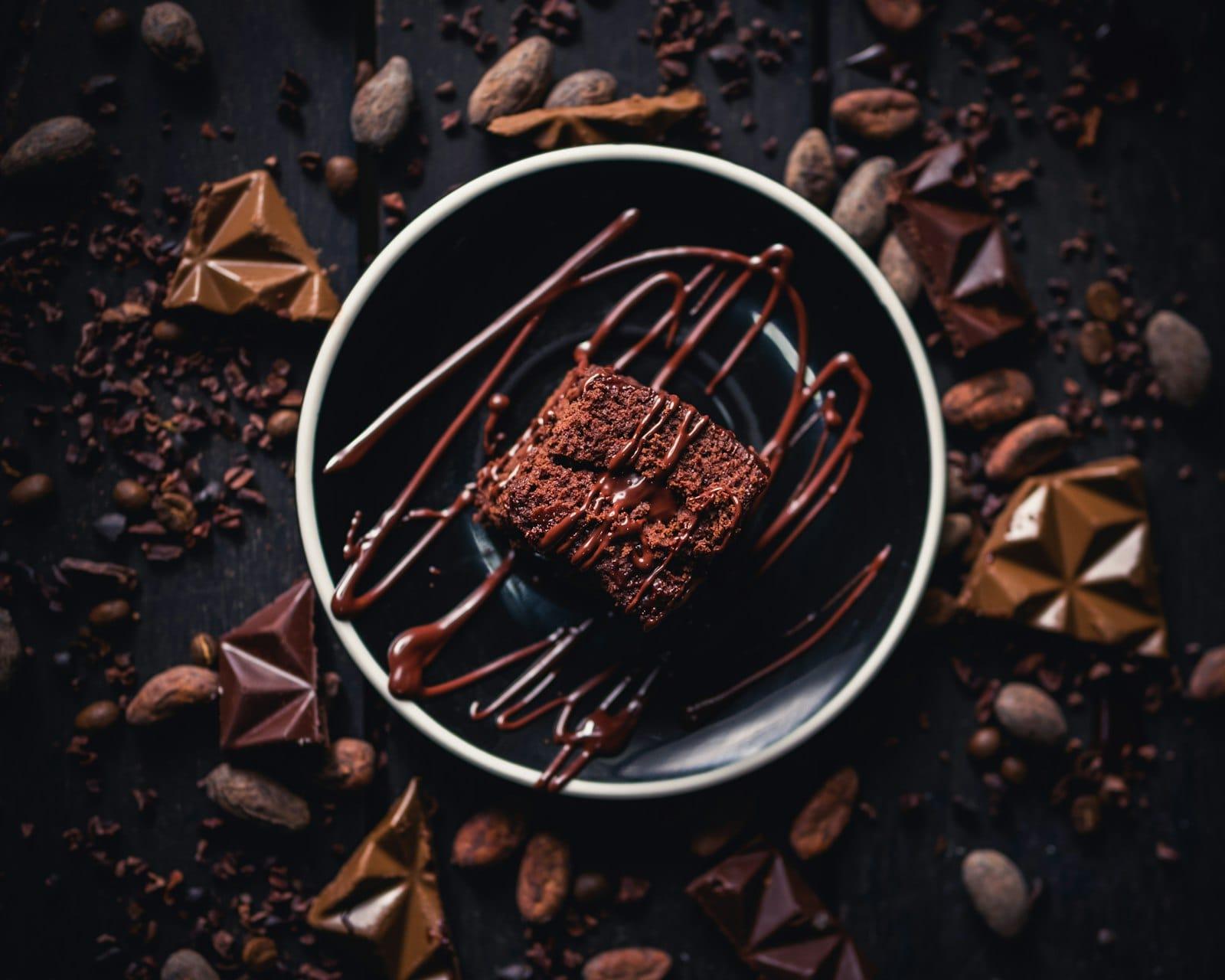
A box of chocolate is the default gift precisely because it is so easy to get wrong. The supermarket version is mostly sugar, palm fat and packaging; a genuinely fine chocolate is closer to a single-origin wine, where the bean's provenance and the maker's restraint do the work. Knowing the difference is what turns an obligatory gift into a memorable one.
Start with the cacao. The best makers state the origin and percentage, and the ingredient list is short — cocoa, cocoa butter, sugar, perhaps vanilla. Long lists with vegetable fats and emulsifiers signal a product engineered for shelf life rather than flavour. Freshness matters more than people assume: chocolate is at its best within months of production, so a maker who ships small and often beats one whose stock sits in a warehouse. Specialist houses such as zChocolat build the whole proposition around presentation and freshness, which is exactly what a gift should prioritise.
Presentation is not vanity here — it is half the gift. A considered box, hand-arrangement and the option to personalise lift the entire experience. For corporate or milestone gifting, that polish is the point.
If you are assembling a larger gesture, chocolate pairs beautifully with other refined consumables — see our art of gifting guide for combinations that feel curated rather than random, and our sober-curious entertaining piece for non-alcoholic pairings that flatter a dark chocolate. For the person who has everything, a small luxury they would never buy themselves usually lands better than something large — a principle we return to throughout our refined daily ritual writing.
Reading a Chocolate Label
The information that predicts quality is on the back, and it is short:
| On the label | What it means |
|---|---|
| Cocoa percentage | Total cocoa solids plus butter — an indication of style, not quality |
| A named origin or estate | The maker knows and cares where the beans came from |
| Short ingredient list | Cocoa, sugar, sometimes cocoa butter and vanilla. That is enough |
| Cocoa butter only, no other fats | Vegetable fat substitutes change texture and melt |
| A harvest year | Unusual, and a strong signal of a serious maker |
| "Bean to bar" | The maker controls roasting and grinding, not just moulding |
A high percentage is not automatically better. It indicates less sugar, which suits some palates and some pairings and is simply a different thing from quality. A well-made fifty per cent milk chocolate beats a badly made eighty-five.
Fresh Against Keeping
The most consequential distinction when giving chocolate is one people rarely consider:
- Filled chocolates and ganache are fresh food with a short life, often a fortnight or less. They are wonderful and they cannot be posted casually or given far in advance.
- Solid bars, pralines and caramels keep for months in the right conditions and travel well.
- Anything with fresh cream needs refrigeration, and refrigeration harms the chocolate's surface — which is why good makers tell you to eat it, not store it.
Match the format to the logistics. A beautiful box of ganache posted to arrive on a Friday, to a house that will be empty until Monday, is a wasted gift.
Storage, and Why Bloom Is Not Spoilage
- Keep it cool, dark and dry, between roughly cellar and room temperature, away from anything aromatic. Cocoa butter absorbs smells readily.
- Do not refrigerate unless the filling requires it, and if you do, bring it back to temperature sealed so condensation forms on the packaging rather than the chocolate.
- A pale film is bloom, which is fat or sugar migrating to the surface. It is a texture fault and entirely harmless — it means the chocolate was warmed and cooled, not that it has gone off.
Giving It Well
- Smaller and better beats larger and ordinary. This is the one category where that rule is close to absolute.
- Ask about allergies before, not on the card. Nuts and dairy are common enough that it is a real risk rather than a courtesy.
- Include one thing they would not choose — a single-origin bar alongside the familiar box — so there is something to discover.
- Do not gift a subscription unless you know they want one. Recurring gifts create recurring obligation.
For the wider approach, see the art of considered gifting.
Spend where it shows. A smaller box of something exceptional beats a large box of the ordinary every time. This article is editorial and reflects our own buying preferences.
Sources
Continue Reading
Continue in this collection


Found this useful? Explore more in the Journal.
BACK TO JOURNAL