How to Buy a Pre-Owned Luxury Watch in 2026: Value, Authentication & Where to Look
Last updated: 2 October 2026
Researched and drafted with AI assistance; reviewed, fact-checked and approved by Thomas Lovas Lokoy. Editorial policy
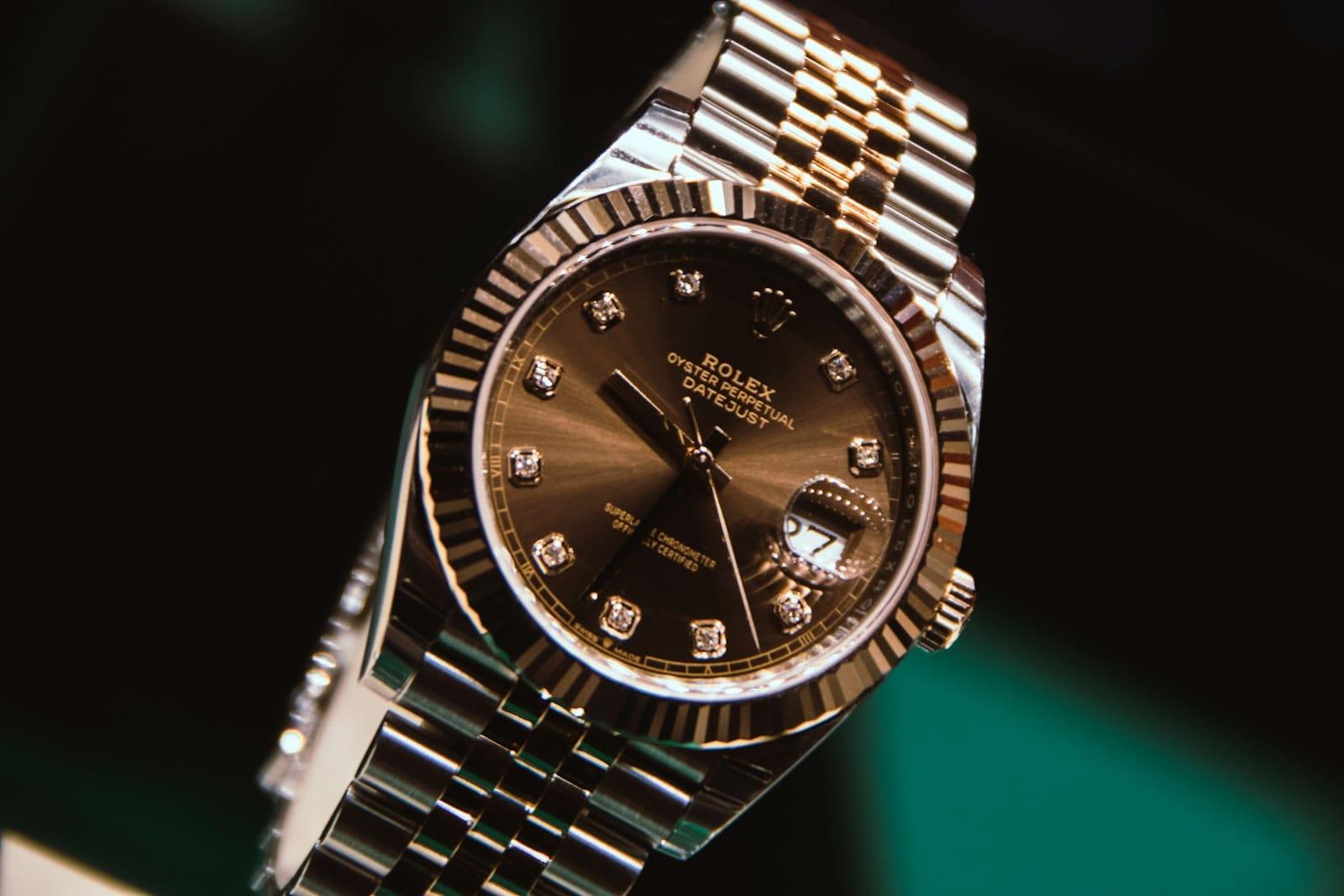
Buying a pre-owned luxury watch is, in 2026, the most sensible way into fine watchmaking — not a compromise. The references most people actually want are impossible to buy new at retail without a waiting list measured in years, so the real market is the secondary one. A well-chosen pre-owned watch arrives authenticated, often barely worn, and frequently at a price that has already absorbed the steepest depreciation. The risks are real — sophisticated fakes, hidden servicing costs, and the myth that any watch is a guaranteed investment — but every one of them is manageable once you know what to check.
Why pre-owned beats new for most buyers
The blunt truth is that the most desirable steel sports models simply cannot be bought new at their list price. Authorised dealers keep them for established clients, and the waiting lists on the best-known references run for years. The secondary market is where those watches are actually available — today, in the metal, in a known condition.
Pre-owned also sidesteps the sharpest part of the depreciation curve. Many watches lose value the moment they leave the boutique; buying a piece that is two or three years old lets someone else absorb that first drop. You gain the further advantage of seeing the exact watch — its patina, its wear, its box and papers — rather than committing to an abstraction. It is the same buy-smart logic we apply to clothing in designer fashion on a budget: let the market's inefficiencies work for you.
Authentication: the checks you never skip
This is where money is won or lost. Four things matter above all others.
First, box and papers. Original documentation, a warranty card with a matching serial, and the maker's presentation box materially raise both confidence and resale value. Their absence is not automatically a red flag, but it should be reflected in a lower price.
Second, the numbers. Cross-check the serial and reference numbers on the case against the maker's records for that model and year. Mismatches — a dial that never came on that reference, a bracelet from a different era — are how educated buyers spot a "franken" watch assembled from parts.
Third, the movement. For anything above a modest sum, have an independent watchmaker open the case and inspect the movement. A correct exterior can hide an incorrect or replaced calibre.
Fourth, and simplest: buy from a dealer who authenticates every piece and guarantees it in writing. Never wire four figures to an unverified private seller on social media. A written authenticity guarantee is the single most valuable thing you are paying a reputable dealer for.
Which watches actually hold their value
Historically, steel sports models from the most established houses have held or grown in value, while dressier and precious-metal pieces have been more volatile. Complications, limited runs, and provenance can all lift a specific example — but they can also make it harder to sell.
A necessary caution: a watch is not a savings account. Values move with fashion and the wider economy, they can fall as well as rise, and watches are illiquid and expensive to trade, with dealer spreads and servicing eating into any paper gain. Treat resale value as a bonus, not a plan — the same framing we use for precious metal in gold as a luxury keepsake. Your capital is genuinely at risk in this market, and this article is editorial, not investment advice. Buy the watch you will actually wear.
Where to look
For the serious purchase, the dealer matters more than the reference. We do not currently partner with a pre-owned watch specialist, so judge one on what it will commit to in writing: does a watchmaker open the case and confirm the movement is correct for the reference, is the piece serviced or sold explicitly unserviced, is there a stated warranty and how long, and will they take it back if the paperwork does not match the watch. Ask for photographs of the movement, the case-back and the lug edges before you pay. A dealer who answers all of that plainly is worth a premium over the cheapest listing; one who will not put authentication in writing is selling you a photograph, and buying at a distance is exactly where that gap becomes expensive.
If you are earlier in the journey and still working out what you like, a discovery route makes sense before you commit to a grail. A membership such as Watch Gang introduces you to brands, movements, and case sizes at far lower stakes — a way to learn your own taste on your wrist rather than in a forum. It is a starting point, not the destination; when you know the reference you want, move to the authenticated secondary market.
Condition, servicing and the true cost of ownership
Budget for a full service roughly every five years — anywhere from a few hundred pounds for a simple three-hander to well over a thousand for a chronograph or perpetual calendar. Original, unpolished cases carry a genuine premium with collectors, because over-polishing softens the sharp edges that define a case's lines. Keep every receipt and service record; a documented history is part of what you will sell later.
Our approach
Buy the best condition of a reference you genuinely love, with its papers, from a dealer who guarantees authenticity — then wear it. A watch locked in a safe is a spreadsheet entry; a watch on your wrist is the entire point. If you are buying it as a gift, our art of considered gifting guide covers presentation, and the same buy-fewer-better philosophy runs through designer accessories that last and our companion pre-owned luxury handbags guide.
For more on heritage, provenance, and the objects worth keeping for a lifetime, our sister publication Nordic Provenance is worth a browse, as is Aureum & Co for the wider world of considered luxury. Editorial only; condition, pricing, and availability vary, and your capital is at risk in any secondary market.
Sources
Continue Reading
Continue in this collection

Found this useful? Explore more in the Journal.
BACK TO JOURNAL