Your £40 Jumper Is More Expensive Than a £400 One. Here Is the Maths.
Last updated: 10 October 2026
Researched and drafted with AI assistance; reviewed, fact-checked and approved by Thomas Lovas Lokoy. Editorial policy
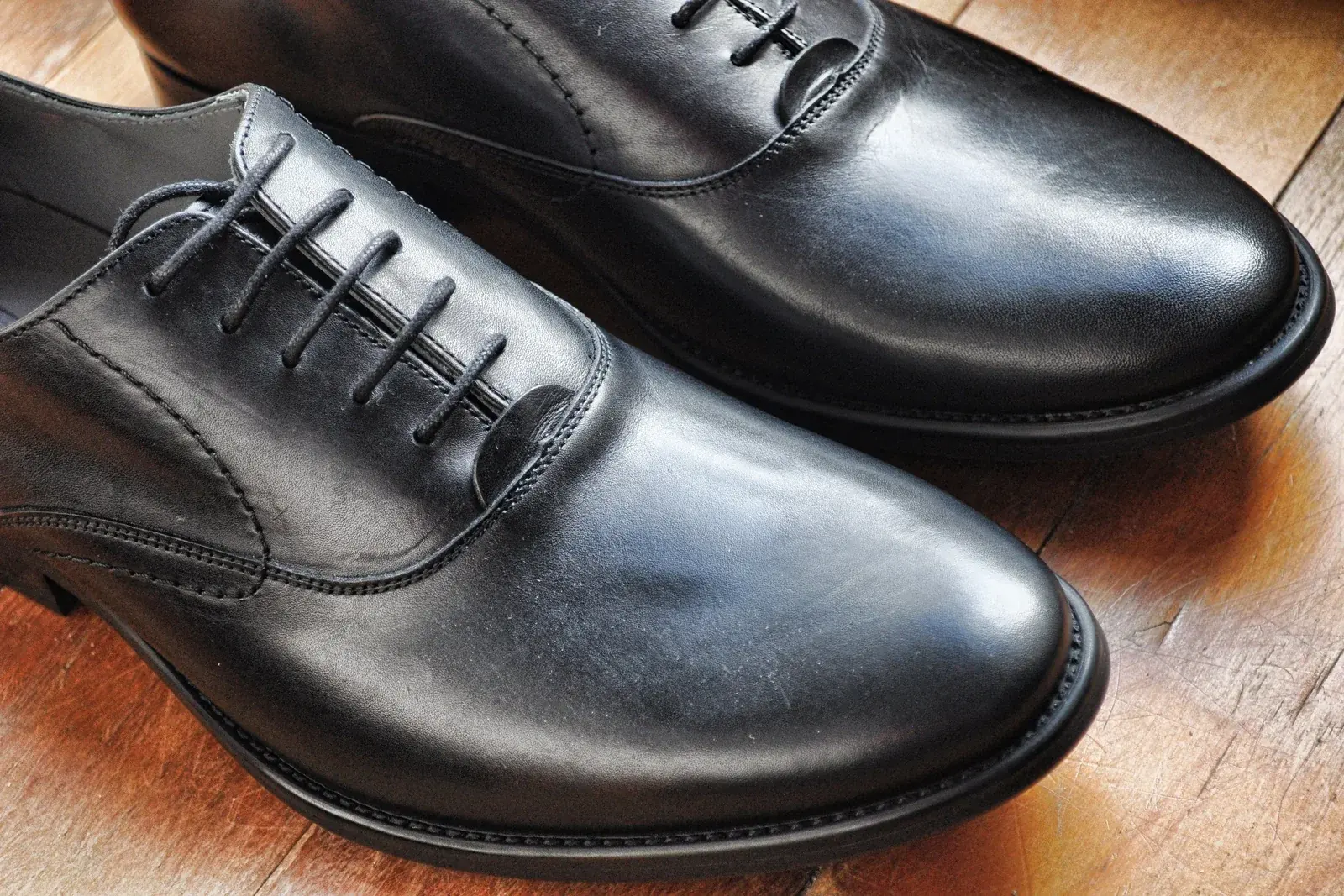
Nobody defends a bad purchase by its price. They defend it by its potential: it will be perfect for something, eventually, once the right occasion arrives. The occasion rarely does.
Cost per wear is the number that ends that conversation. It is not glamorous and it is not new — it is just arithmetic that most people avoid because of what it reveals.
The formula, and the part everyone leaves out
(purchase price + lifetime upkeep) ÷ actual wears.
Most people run the first half and stop. Upkeep is where the ranking changes: dry cleaning, resoling, restringing, servicing, specialist detergent, the alteration that made it fit in the first place.
A tailored coat at £400 that needs £15 of cleaning twice a year for eight years carries £240 of upkeep — over half its purchase price again. Ignore that and you will conclude the coat was cheaper than it was.
| Item | Price | Upkeep (life) | Wears | Cost per wear |
|---|---|---|---|---|
| Everyday knit | £40 | £10 | 5 | £10.00 |
| Everyday knit | £40 | £10 | 60 | £0.83 |
| Tailored coat | £400 | £240 | 200 | £3.20 |
| Occasion piece | £250 | £60 | 3 | £103.33 |
| Linen bedding | £180 | £0 | 700+ nights | under £0.30 |
The occasion piece is the one that stings, and almost everyone owns one.

Why the expensive thing sometimes wins — and often does not
The honest version of this argument is narrower than the marketing version.
Price buys durability only when the construction is actually better, and only when the item is something you wear constantly. A well-made coat you wear all winter is a genuine win. A well-made evening piece you wear twice is a worse purchase than a cheap one worn twice, because you lost more money to reach the same number of wears.
Cost per wear does not reward spending. It rewards use. Those are different habits, and only one of them is a virtue.
The category that quietly wins every time
Not clothing. Things you use every single day without thinking about them.
Bedding is the clearest case: a set used nightly clears several hundred uses inside a year, so even a considered purchase lands at pennies per use. That is why household textiles beat almost every wardrobe item on this metric — see our luxury home decor guide for the wider picture.
If you want the same logic applied to what you actually spend on clothes rather than what you own, designer fashion on a budget is the companion piece.
What this changes about buying
Three things, in order of how much money they save:
You stop buying for the imagined occasion. It is the single largest source of three-figure cost-per-wear items.
You start paying attention to repairability. An item that can be resoled, taken in, or restrung has a longer denominator, which is the whole game — the subject of Part 2.
You spend more on the boring daily things and less on the interesting rare ones. Which is, admittedly, a dull conclusion for an article about luxury. It is also the one the numbers keep producing.
Next: the materials that age well — and the four that just get old.
Some links on this page are affiliate links and are labelled as sponsored where a real partnership exists. Prices are illustrative and shown to demonstrate the arithmetic, not quoted from any retailer.
Related reading: Quiet Luxury Is Mostly Marketing. Here Is the Part That Is Not.
Continue Reading
Continue in this collection


Found this useful? Explore more in the Journal.
BACK TO JOURNAL