Luxury Home Decor Guide 2026: Nordic Meets Global Style
Last updated: 16 October 2026
Researched and drafted with AI assistance; reviewed, fact-checked and approved by Thomas Lovas Lokoy. Editorial policy
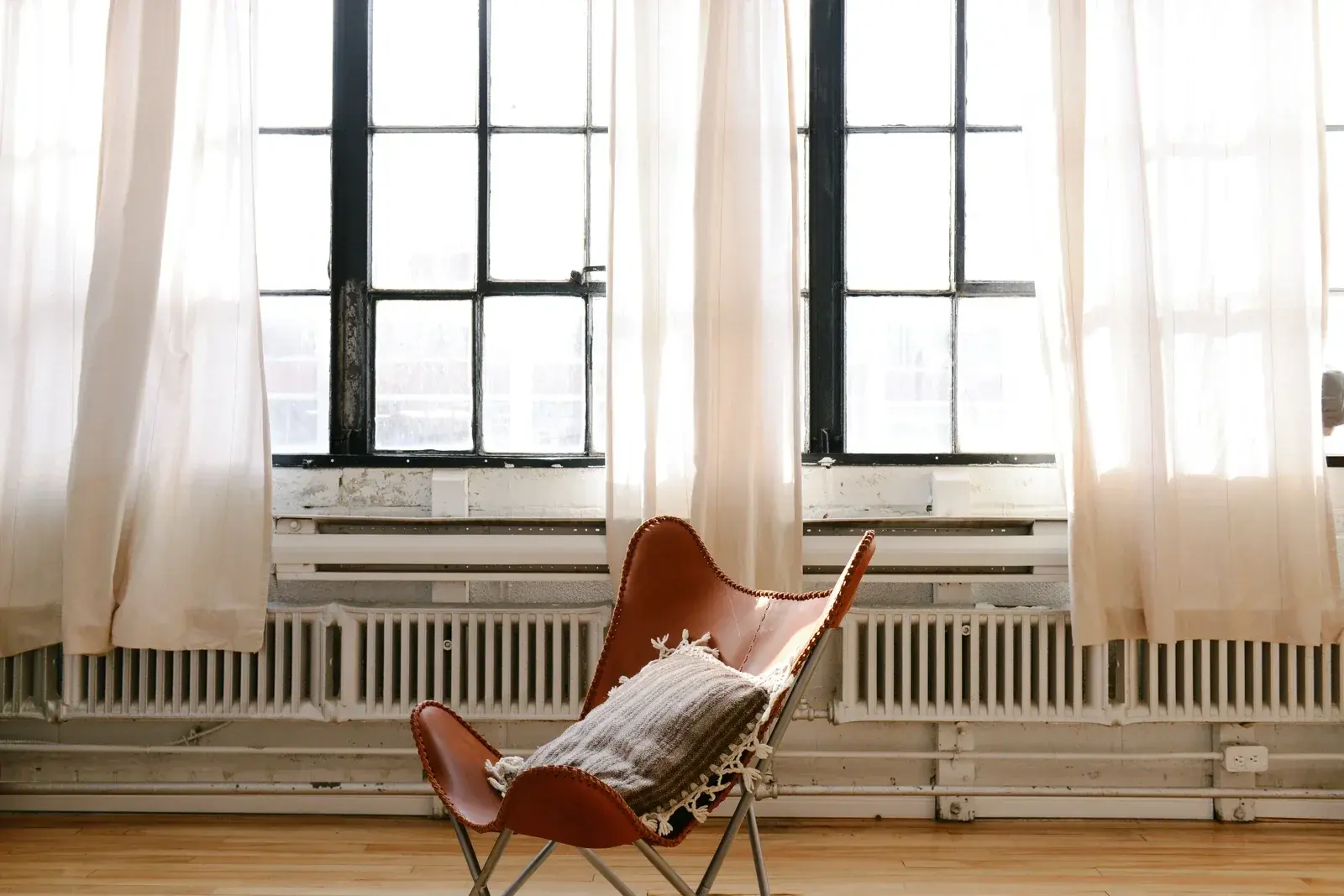
Luxury home decor, done the Nordic way, means spending most of the budget on a few anchor pieces that will still be in production and still look right in thirty years, layering light rather than buying one bright fixture, and judging textiles by fibre rather than thread count. The rest is restraint: natural materials, muted tones, objects that earn their place, and global craftsmanship mixed in for warmth. This guide sets out the philosophy, the key pieces room by room, the design classics worth knowing (with what the makers themselves say about them), a budget split, and the mistakes that make expensive rooms look staged.
The best homes reflect how you think about luxury: not the loud, logo-driven kind, but the quiet kind that reveals itself over time. A linen sofa that gets softer every year. A ceramic vase from a Japanese studio that catches the afternoon light in a way that makes you pause. A piece of art that still surprises you three years after hanging it. This is how we approach home decor: rooted in Nordic minimalism but enriched by global craftsmanship. It is not about following trends. It is about building spaces that feel genuinely yours.
The Nordic Design Philosophy
Nordic design is often reduced to "white walls and IKEA," which misses the point entirely. The philosophy is about honesty in materials, harmony between form and function, and a respect for natural light and space. A well-designed Nordic interior is not empty; it is intentional. Every object earns its place.
The principles that guide us: natural materials over synthetic, muted tones over bright colours, quality over quantity, and comfort over formality. A home should feel lived-in, not staged. It should invite you to sit down, not admire from a distance.
Where we diverge from strict Nordic minimalism is in our love for global craftsmanship. The best Nordic interiors, in our opinion, are not purist; they are curated. A Japanese ceramic on a Scandinavian shelf. A Moroccan rug under a Danish dining table. A piece of contemporary Latin American art on a whitewashed wall. These contrasts create warmth and personality that monochrome minimalism sometimes lacks. For the long history behind the look, read a short history of Scandinavian design; for a room-by-room build, our tutorial on creating a Nordic-inspired home is the practical companion to this guide.
The Design Classics Worth Knowing
Asked which luxury home decor brands are worth knowing, the honest answer is that the Nordic brands worth knowing are the ones still making the same pieces they made seventy years ago. Three examples, with the facts as the makers and the design press state them:
| Piece | Maker | What the record says | Why it matters in a room |
|---|---|---|---|
| PH 5 pendant | Louis Poulsen | Designed by Poul Henningsen in 1958 around his three-shade system; the frosted lower diffuser makes the downward light "100% glare-free". The Ø500 version in one colourway is listed at £900 on the maker's UK site. | The reference for soft, layered Nordic light over a dining table |
| CH24 Wishbone Chair | Carl Hansen & Søn | Hans J. Wegner's chair for Carl Hansen, "in continuous production since 1950" according to the maker; retailers describe a hand-woven paper-cord seat. | The dining chair that proves comfort and lightness can coexist |
| Egg chair | Fritz Hansen | Arne Jacobsen's 1958 design for Copenhagen's former SAS Royal Hotel, sculpted first in foam rather than built on a frame, on a four-pronged swivel base. | The one statement chair a calm living room can carry |
Buy these new from the maker or an authorised dealer, or vintage from a reputable dealer with photographs of the maker's marks. The point is not the names: it is that a piece with a seventy-year production run has already passed the thirty-year test we set in designing rooms you keep for thirty years. Where no classic fits the space, the alternative is to commission; our guide to commissioning bespoke furniture covers the process, the wait and the cost.
Key Pieces for Every Room
Living Room
The sofa is the anchor. Invest here above everything else. A well-made linen or wool-blend sofa in a neutral tone (stone, warm grey, oatmeal) will serve you for a decade. Avoid fast-furniture brands that sacrifice frame quality for trendy silhouettes. Sit in it before you buy if at all possible.
Lighting transforms a room more than any single piece of furniture. We recommend three layers: ambient (a pendant or floor lamp for general warmth), task (a reading lamp by your favourite chair), and accent (a table lamp or candle arrangement that creates mood). Scandinavian lighting brands excel here; look for designs that diffuse light softly rather than directing it harshly, which is exactly what Henningsen's shade system was invented to do.
A quality rug grounds the space and adds texture. Flatweave rugs in natural fibres work beautifully in Nordic interiors, and the same fibre-first thinking applies to everything soft in the room. For the textiles you touch daily (throws, cushions, and above all bedding), judge on weave and fibre rather than thread count, which is the most gamed number in the category. We do not currently have a textile partner we can vouch for, and would rather say so than send you somewhere on the strength of a good-sounding name.
Dining Room
A solid wood dining table is the centrepiece. Oak, walnut, and ash are our preferred timbers; they develop character with age and tolerate daily use. Pair with chairs that provide genuine comfort for long dinners. The Scandinavian tradition of lingering over meals means your dining chairs need to support hours of conversation, not just fifteen-minute lunches.
Tableware is an underrated area of home luxury. A set of handmade ceramic plates and bowls from a studio potter elevates every meal in a way a matched supermarket set never will. Buy this direct: studio potters sell through their own shops, regional craft fairs and a handful of maker marketplaces, and the piece you want is usually the one where you can see the thumbprint in the glaze. We have no ceramics partner, so treat this as a pointer rather than a purchase link.
Bedroom
The bed itself matters most: invest in a quality frame and the best mattress you can afford. Beyond that, luxury lives in the textiles. Linen bedding is our strong recommendation: it regulates temperature, softens with every wash, and has a natural, relaxed drape that cotton cannot match.
Keep the bedroom minimal. A bedside table, a good reading lamp, and one or two objects that bring you calm: a candle, a small plant, a single photograph. The bedroom should be a refuge from visual noise, not an extension of it.
Home Office
As more of us work from home, the office has become a space worth investing in. A beautiful desk (wood, not laminate) paired with a comfortable chair sets the tone. But the element that most transforms a home office is art on the walls. Staring at blank walls during long working hours is draining. A carefully chosen piece of art provides visual rest and inspiration.
We have written extensively about buying art for your home; see our guide to buying fine art online for platforms and advice. For an office wall specifically, the practical answer is usually a single large piece rather than a cluster of small ones, because you see it from a fixed seated position all day. Artz Miami makes sculptural steel wall panels at that scale: decor rather than documented art, which for a room you work in is the sensible trade.
Sourcing Globally
The best interiors draw from multiple traditions. Here is how to source across them:
Scandinavian pieces form the structural foundation: furniture, lighting, and large textiles. Buy these locally where possible, supporting Norwegian and Danish makers.
Asian ceramics, glassware, and small objects add texture and personality. Japanese, Korean, and Vietnamese studios produce work of extraordinary quality. Online platforms have made these accessible without requiring a trip to Tokyo.
Latin American and African textiles bring warmth and colour to neutral Nordic spaces. A single vibrant throw or cushion cover from a weaving cooperative can transform a room, and buying from the cooperative directly, or from a fair-trade importer that names the workshop, is both cheaper and more honest than buying a "globally inspired" version from a chain.
Art ties everything together. Mixing Nordic photography, abstract prints, and contemporary works from global artists creates walls that tell a story. Where you want mass rather than image, something that holds a wall by its physical presence, Artz Miami makes steel wall panels and mirrors that do that job without competing with a calm Nordic scheme.
Budget Allocation
Our recommended approach to furnishing a room from scratch:
- 40% on anchor furniture (sofa, bed, dining table, desk)
- 20% on lighting (this is where most people under-invest)
- 15% on textiles (rugs, curtains, bedding, cushions)
- 15% on art and objects (wall art, ceramics, decorative pieces)
- 10% on accessories (candles, plants, small organisational items)
This ratio ensures your biggest investments go to the pieces that affect daily comfort and longevity, while still allocating meaningful budget to the details that create atmosphere. A worked example: on a GBP 15,000 living room, that is GBP 6,000 for the sofa and a side table, GBP 3,000 across three lighting layers (a single maker's pendant such as the PH 5 at its listed £900 would take under a third of it), GBP 2,250 on rug and throws, GBP 2,250 on one good piece of art and two ceramics, and GBP 1,500 on everything else.
Mistakes to Avoid
Buying everything at once. A home should evolve over time. The pressure to furnish a new space immediately leads to compromises you live with for years. Buy the essentials, then let the rest come as you discover pieces that genuinely speak to you.
Matching everything. A room where every piece comes from the same brand or collection feels like a showroom, not a home. Mix eras, materials, and origins. A vintage lamp next to a contemporary side table creates the kind of tension that makes interiors feel personal.
Ignoring scale. The most common decorating mistake is choosing furniture that is too small for the room, or too large. Measure twice, visualise carefully, and when in doubt, err slightly larger for anchor pieces and smaller for accessories.
Chasing the trend cycle. Colour-of-the-year schemes date a room faster than anything else in it; our take on what is actually changing is in 2026 interior design trends.
Finds Worth Seeking Out
The kinds of pieces that reward patience include hand-thrown ceramic bowls from a Norwegian studio, a mid-century rosewood side table sourced online, or a pair of limited-edition landscape photographs from an Icelandic photographer. Pieces like these tend to be found through curiosity and a willingness to look beyond the obvious retailers.
Explore our full home interiors category for ongoing recommendations, and see how we integrate fashion into our broader approach to personal style.
Related reading: a short history of Scandinavian design and why it refuses to die, 2026 interior design trends: warm minimalism, curves and the death of greige and the art of the library room.
Frequently asked questions
Which luxury home decor brands are worth knowing?
Start with the Nordic makers whose classics are still in production: Louis Poulsen (the PH 5 pendant, 1958), Carl Hansen & Søn (the CH24 Wishbone Chair, in continuous production since 1950) and Fritz Hansen (the Egg chair, 1958). A seventy-year production run is the best evidence a piece will not date.
How should I split a decorating budget?
Roughly 40 per cent on anchor furniture, 20 per cent on lighting, 15 per cent on textiles, 15 per cent on art and objects and 10 per cent on accessories. Lighting is where most people under-invest.
What makes a home feel luxurious without looking staged?
Fewer, better pieces in natural materials; three layers of soft light rather than one bright fixture; textiles chosen by fibre, not thread count; and objects from more than one tradition so the room reads as collected rather than bought in one afternoon.
Should I buy design classics new or vintage?
Either, provided the source is right: new from the maker or an authorised dealer, vintage from a dealer who photographs the maker's marks and states the production period. Avoid unmarked lookalikes; they fail the thirty-year test on both construction and resale.
Sources
Continue Reading
Continue in this collection


Found this useful? Explore more in the Journal.
BACK TO JOURNAL