Quiet Luxury Is Mostly Marketing. Here Is the Part That Is Not.
Last updated: 16 October 2026
Researched and drafted with AI assistance; reviewed, fact-checked and approved by Thomas Lovas Lokoy. Editorial policy
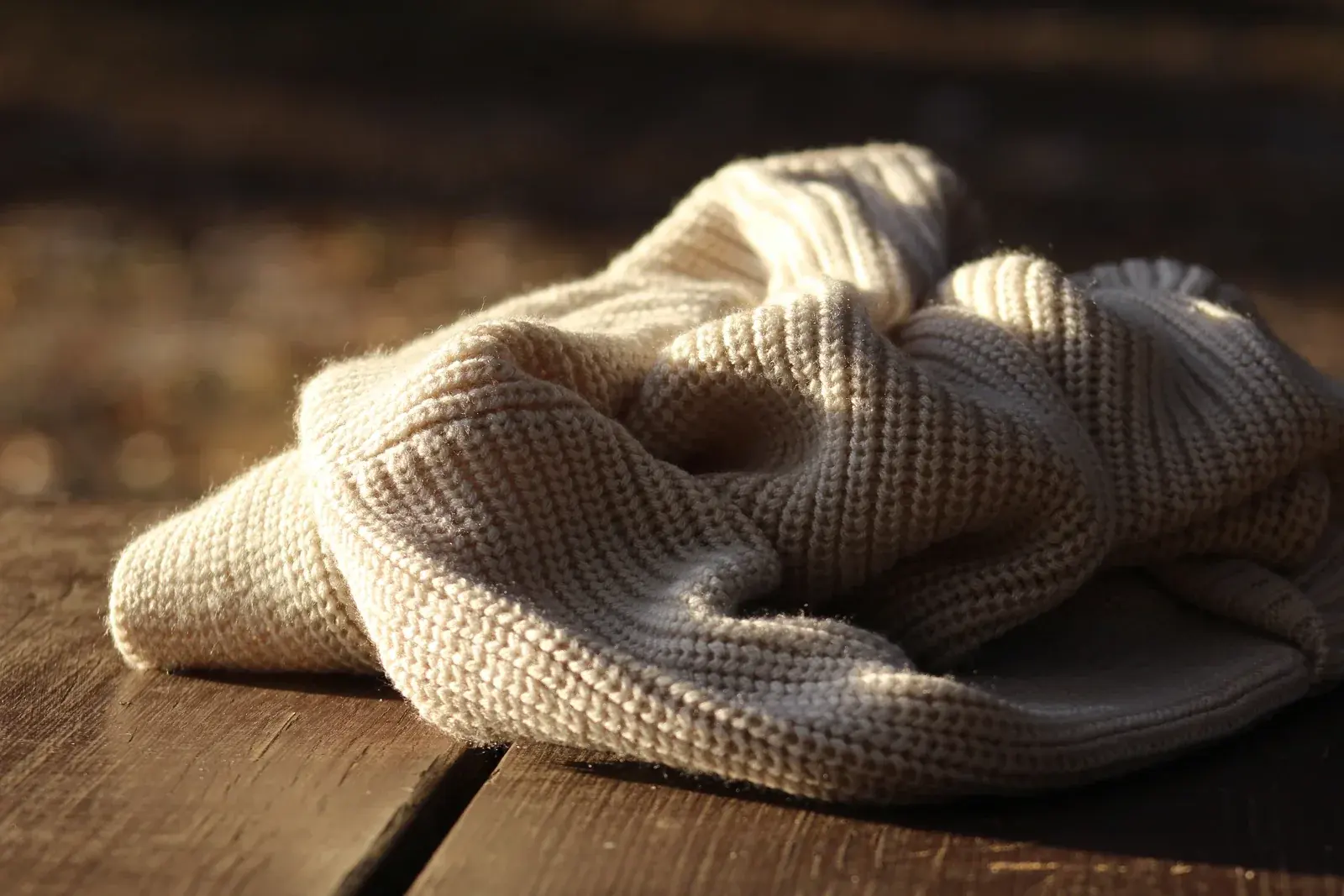
Every few years the same idea returns wearing a new name: buy fewer, better things. This time it arrived beige, and with a price premium attached to the absence of a logo — which should have been the first clue.
What the marketing actually sold
A palette. Oatmeal, stone, camel, off-white. Plus the removal of visible branding, which costs a manufacturer precisely nothing and can be charged for.
The trouble is that both signals are trivially copyable. A brand can produce a logo-free item to exactly the same price point as a branded one, in the same factory, from the same materials. Nothing about the look is evidence of how it is built.

The part underneath that is real
Strip out the aesthetic and a genuine principle survives: put the money where it changes how long the thing lasts.
| Where the money goes | Visible? | Affects lifespan? |
|---|---|---|
| Logo, packaging, campaign | Yes | No |
| Colour and silhouette | Yes | No |
| Fibre quality and density | Barely | Yes |
| Construction — stitched vs glued | No | Substantially |
| Repairability and spares | No | Substantially |
The bottom three are the whole of the idea. They are also the three that photograph badly, which is why the version that reached everyone was the palette.
"Buy fewer, better things" is good advice. "Buy fewer, beiger things" is a colour trend with the same sentence attached.
Where it applies best
Household textiles, oddly, rather than clothing. They are used daily, they are rarely photographed, and nobody buys bedding to signal anything — so the entire purchase is decided on how it feels and how long it lasts. That is the principle operating without the aesthetic attached to it.
Our luxury home decor guide works through the wider room; the cost side is in the cost-per-wear audit, which reaches the same conclusion from the arithmetic rather than from taste.
How to Tell the Real Version From the Sold Version
The idea underneath has substance; the version in shops is frequently the same product with the logo removed and the price unchanged. A few tests separate them:
| Ask | Real | Marketed |
|---|---|---|
| Would it still be good if nobody recognised it | Yes, on construction alone | The recognition was the product |
| Can it be repaired | Yes, and the maker offers it | No service exists |
| Is the material chosen for wear or for feel-in-hand | Wear | Feel, at the point of sale |
| Is the price explained by the making | Largely | Largely by positioning |
| Will it look right in ten years | It was designed for that | It was designed for this season |
| Is "quiet" the marketing angle | It is not mentioned | It is on the swing tag |
The final row is the most reliable single test. Restraint that has to announce itself is not restraint; it is a look, and looks are seasonal by definition — as the 2026 quiet-luxury reset sets out.
The Part That Is Genuinely Worth Keeping
Strip away the aesthetic and a defensible practice remains:
- Buy fewer things, and better ones, judged on construction rather than on brand.
- Prefer materials that improve, or at least fail gracefully.
- Choose repairable over disposable, and use the repair service; at the far end of that logic is a piece made for you, which is what commissioning bespoke furniture involves.
- Judge by cost per wear rather than by price, which is the arithmetic in cost per wear.
- Let things age. The patina is the evidence, and it cannot be bought.
None of that requires a beige palette, an expensive brand, or any particular silhouette. It is a purchasing discipline, and it works at every price level — which is precisely why it cannot be sold as a category.
Where the Aesthetic Genuinely Suits
To be fair to it, the understated look does have real applications:
- Work environments where clothing should not be the first thing anyone processes.
- Travel, where anonymity is practical as well as stylistic.
- A wardrobe built to combine, where a limited palette does real work.
- Anything you intend to wear for a decade, since unremarkable pieces date more slowly than distinctive ones.
The Honest Position
Restraint as a purchasing discipline is old, sound and free. Restraint as a product category is this decade's way of selling the same margin without the monogram. The first survives the trend cycle because it was never in it; the second is already being replaced, which is what trends do.
Judge the object, not the vocabulary — and the tests at the top of this section are the whole method.
The honest summary
There is a real idea here and it is about a hundred years old: construction outlives fashion. It did not need a colour scheme, and the moment it acquired one it became purchasable — which is the opposite of what it was arguing for.
Some links are affiliate links and are labelled as sponsored where a real partnership exists.
Continue Reading
Continue in this collection


Found this useful? Explore more in the Journal.
BACK TO JOURNAL