How to Commission Bespoke Furniture: Process, Wait and Worth
Last updated: 16 October 2026
Researched and drafted with AI assistance; reviewed, fact-checked and approved by Thomas Lovas Lokoy. Editorial policy
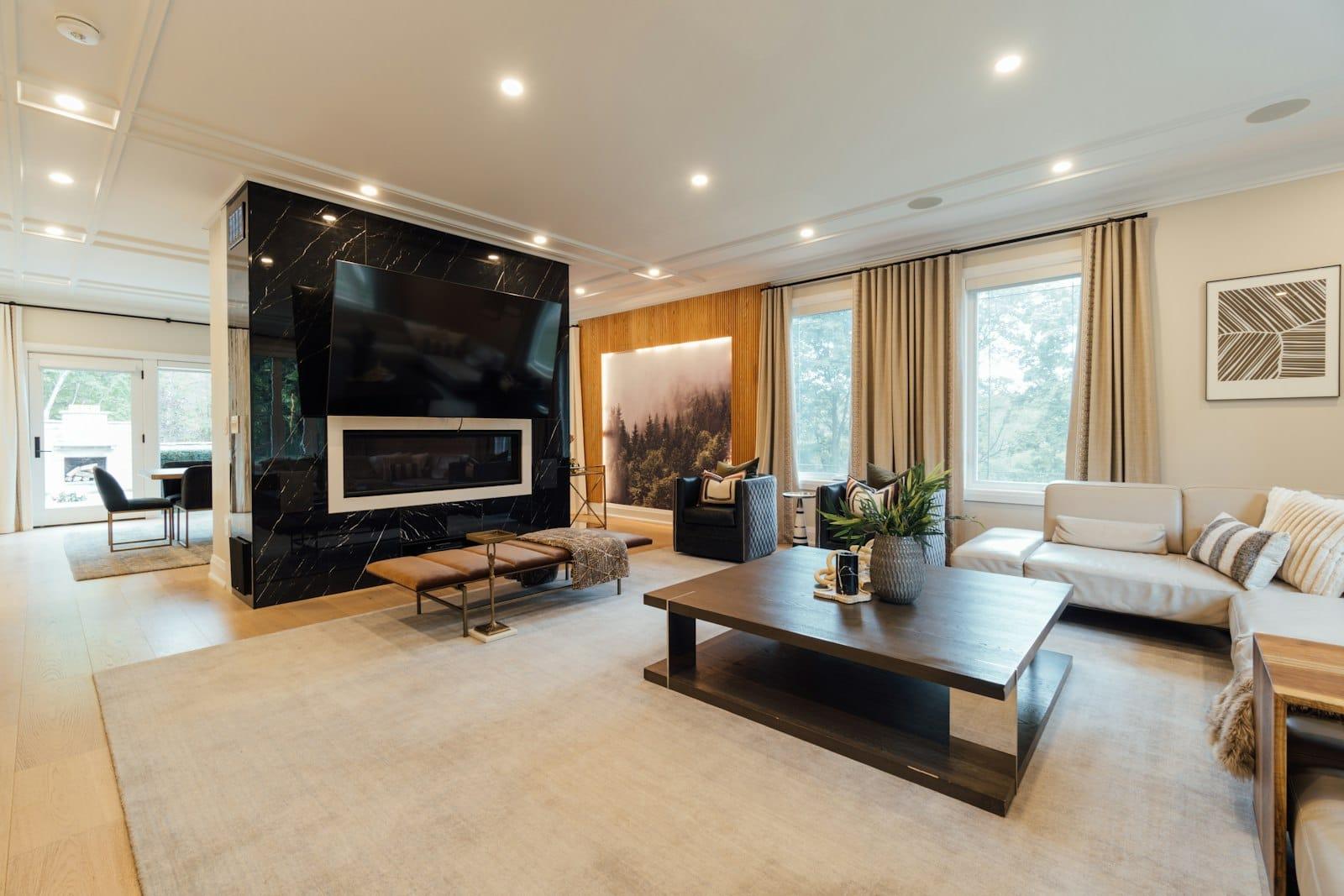
To commission bespoke furniture, choose the maker before the design: visit workshops, look at finished work, and pick someone whose way of working you trust. Then write a brief that explains the problem rather than dictating the answer, agree a design fee and sign off drawings, a model or a sample in writing, choose the timber, and put the price, payment stages, timeframe and ownership of the design into a written contract before making begins. Expect the wait to be measured in months, and expect the result to be the one piece in the house that could not have been made for anyone else. This guide covers each stage, what to agree in writing, how to judge whether the cost is worth it, and the mistakes clients make.
On the quiet pleasure of waiting the better part of a year for a table that understands your posture better than your osteopath does.
The death of the immediate
We live in an era of terrifying efficiency. With a fast connection and a lack of imagination, you can furnish a six-bedroom villa by Tuesday afternoon. It will look exactly as expected: expensive, faintly scented with warehouse shrink-wrap, and devoid of soul.
The commission is the opposite. It is a slow conversation between a client, a maker and a material. "Bespoke" is a word marketing departments have kidnapped to describe a choice of three grey velvets; true commissioning begins with a specific problem of space, light or use and ends with an object made for that problem alone. If the process does not feel slightly inconvenient, it is probably custom-sized rather than commissioned, and you may be paying for a label.
Stage by stage
| Stage | What happens | What you should have at the end |
|---|---|---|
| 1. Finding the maker | Workshop visits, portfolios, a first conversation about the problem | A shortlist of one or two makers whose finished work you have seen |
| 2. The brief | You explain the why (how the piece will be used, where, by whom) | A written brief and a quote for the design stage |
| 3. Design | Sketches, drawings, sometimes renders, a scale model or a sample joint | Drawings and a specification you have approved in writing |
| 4. Timber and materials | Choosing species, figure and finish, sometimes individual boards | A materials schedule attached to the contract |
| 5. Contract | Price, payment stages, timeframe, delivery, ownership of the design | A signed agreement |
| 6. Making | Progress updates and, ideally, a workshop visit | No surprises, and early warning of any change |
| 7. Delivery and aftercare | Installation, finishing advice, care instructions | A piece in place and a maker you can call in ten years |
Finding the hands
The journey usually begins in a workshop that smells of shavings and oil, not in a showroom. At this level you are choosing a philosophy as much as a supplier. Some makers work in a refined British tradition: N.E.J. Stevenson, in Rugby, Warwickshire, describes its custom furniture and architectural joinery as found in "elegant homes, executive suites and royal palaces". Others are closer to sculptors: Joseph Walsh's studio at Riverstick in County Cork makes furniture and sculpture, including the flowing Enignum pieces that read more like frozen growth than joinery. Others again put the material first: Sebastian Cox's workshop harvests coppiced chestnut and hazel from its own Kent woodland under a management plan aimed at biodiversity.
At the far end of collectible design, the line between furniture and art disappears entirely. Zaha Hadid's Liquid Glacial table for David Gill's London gallery, almost six metres of milled acrylic resin that looks like melting ice on stalagmites, shows how far a commission can go when the maker is given room.
The first meeting matters on both sides. Good makers assess whether a client is worth their time as carefully as the client assesses them. They are looking for a brief that interests them, not just a cheque. If a workshop will not let you visit, walk away.
The brief and the design phase
The most common client mistake is being too prescriptive. Give the maker the why, not just the what: "a table that seats eight for long dinners and lives in a room that gets afternoon sun" is a better brief than a sketch copied from a magazine.
The classic illustration is the marine commission. A client asks for a solid hardwood sideboard for a yacht, and the maker explains that the weight affects the boat and that solid timber moves with humidity at sea. The resolution is often a lighter, more stable construction under a fine veneer, and it is frequently not cheaper. The lesson is not the material; it is that the client got a better object by listening to the constraint.
During design you can expect sketches, technical drawings, sometimes 3D renders, and for complex pieces a scale model (a maquette) or a sample of the critical joint. This is the stage to argue, change your mind and ask for alternatives, because it is the cheapest point at which to do so. Once the drawings are approved and the timber is cut, changes become slow and expensive.
Choosing the timber. You are looking at colour, but also at figure, the natural pattern in the grain: fiddleback, bird's-eye, quilting, burr. Choosing a particular board means accepting its character, knots and all. Ask where the wood comes from and how it was dried; a maker who cannot answer is a warning sign.
Put it in writing
Arts Law, the Australian legal service for artists and designers, publishes a checklist for commissions that applies just as well from the client's side. Its core points:
- Put the arrangement in writing, so both parties have something to rely on if things go wrong.
- Set out the fee structure, including when a deposit is payable and whether there are payments during production; it gives "50% on commencement and 50% on completion" as one example of a structure.
- Approve designs and mock-ups in writing, so there is evidence of what was agreed.
- Agree realistic timeframes for designs, making and the finished piece, and link them to when payments fall due.
- Be clear about intellectual property. The checklist suggests makers retain copyright in their designs, with the client receiving a licence to display the finished work once it is paid for. If you want exclusivity, for example a promise that the design will not be made again for anyone else, negotiate it explicitly.
Add your own clauses for delivery and installation, insurance in transit, what happens if the finished piece does not match the approved drawings, and aftercare.
The long wait
In high craft, time is not linear. Lead times at sought-after studios are measured in months, and the best makers are booked well ahead. Ask for the timeframe in writing at the start, and treat any maker who promises speed as a different kind of supplier.
Part of the wait is the wood itself. Timber moves: it takes up and gives off moisture until it settles to the humidity of its surroundings. A piece made from timber that has not been brought to the conditions of its future home can crack, warp or open at the joints once it arrives in a dry, centrally heated room. Careful makers dry and acclimatise their stock before cutting the joints, and some will ask about the heating and humidity of the room the piece is going to.
The rest of the wait is labour: joints cut and fitted by hand, curved components built up in layers, surfaces finished coat by coat. Many makers send progress photographs during this period, which turns the frustration of waiting into anticipation, and gives you something better to say at dinner than "we bought it in a showroom".
Is it worth it?
Financially, usually not in the short term. Contemporary furniture rarely appreciates the moment it leaves the workshop, and a commission is not an investment strategy. Over a longer horizon, work by makers who become significant can be collected in its own right; the market for mid-century Danish masters such as Finn Juhl and Hans J. Wegner shows what happens when quality and reputation compound over decades, and the work of studio makers such as the late Wendell Castle and John Makepeace is sought by collectors.
The real worth is daily. Standard furniture is something you live around; a commissioned piece is something you live with: a desk sized to your forearms, shelves built for the books you actually own, a drawer that closes with exactly the sound you asked for. And there is the matter of legacy. Buying something designed and built to be repaired rather than replaced is the most convincing sustainability argument in furniture; it is the same logic behind designing rooms you keep for thirty years.
The mistakes clients make
- Choosing the brand, not the hands. Research who will actually make the piece, and see their finished work.
- Over-specifying. A rigid brief gets you a well-made copy; a clear problem gets you something better.
- Changing the design after cutting starts. Do your changing at the drawing stage.
- Forgetting the hidden costs. Specialist delivery, crating, insurance in transit and installation for a heavy piece can add substantially to the bill; ask for them to be quoted up front.
- Not asking about care. Finishes differ in how they age and how they are maintained; get written care instructions.
Not every room needs a commission. The principle scales down: buy one thing properly rather than furnishing a room cheaply, and let the good piece set the standard. If you are deciding where a commission would matter most, the art of the library room makes the case for built-in shelving, and our luxury home decor guide covers the design classics you can buy rather than commission.
Related reading: a short history of Scandinavian design, 2026 interior design trends and materials that age well.
Frequently asked questions
How do I commission bespoke furniture?
Choose a maker whose finished work you have seen and whose workshop you have visited, write a brief that explains how the piece will be used, approve drawings or a sample in writing, choose the timber, and sign a contract covering price, payment stages, timeframe, delivery and design ownership before making begins.
How long does bespoke furniture take?
Months rather than weeks, and longer at sought-after studios that are booked ahead. Part of the time is design and sign-off, part is drying and acclimatising timber, and part is handwork. Get the timeframe in writing and link payments to it.
How do payments for a furniture commission usually work?
Usually a deposit followed by one or more stage payments, with the balance on completion or delivery. Arts Law's commission checklist gives 50% on commencement and 50% on completion as one example, and advises agreeing the structure and any payments during production in writing.
Who owns the design of a commissioned piece?
Unless you agree otherwise, the maker normally keeps copyright in the design and you own the piece. If you want the design to be exclusive to you, negotiate and write that into the contract.
Sources
Continue Reading
Continue in this collection



Found this useful? Explore more in the Journal.
BACK TO JOURNAL