The Luxury Travel Packing List: One Carry-On for Any Trip
Last updated: 16 October 2026
Researched and drafted with AI assistance; reviewed, fact-checked and approved by Thomas Lovas Lokoy. Editorial policy
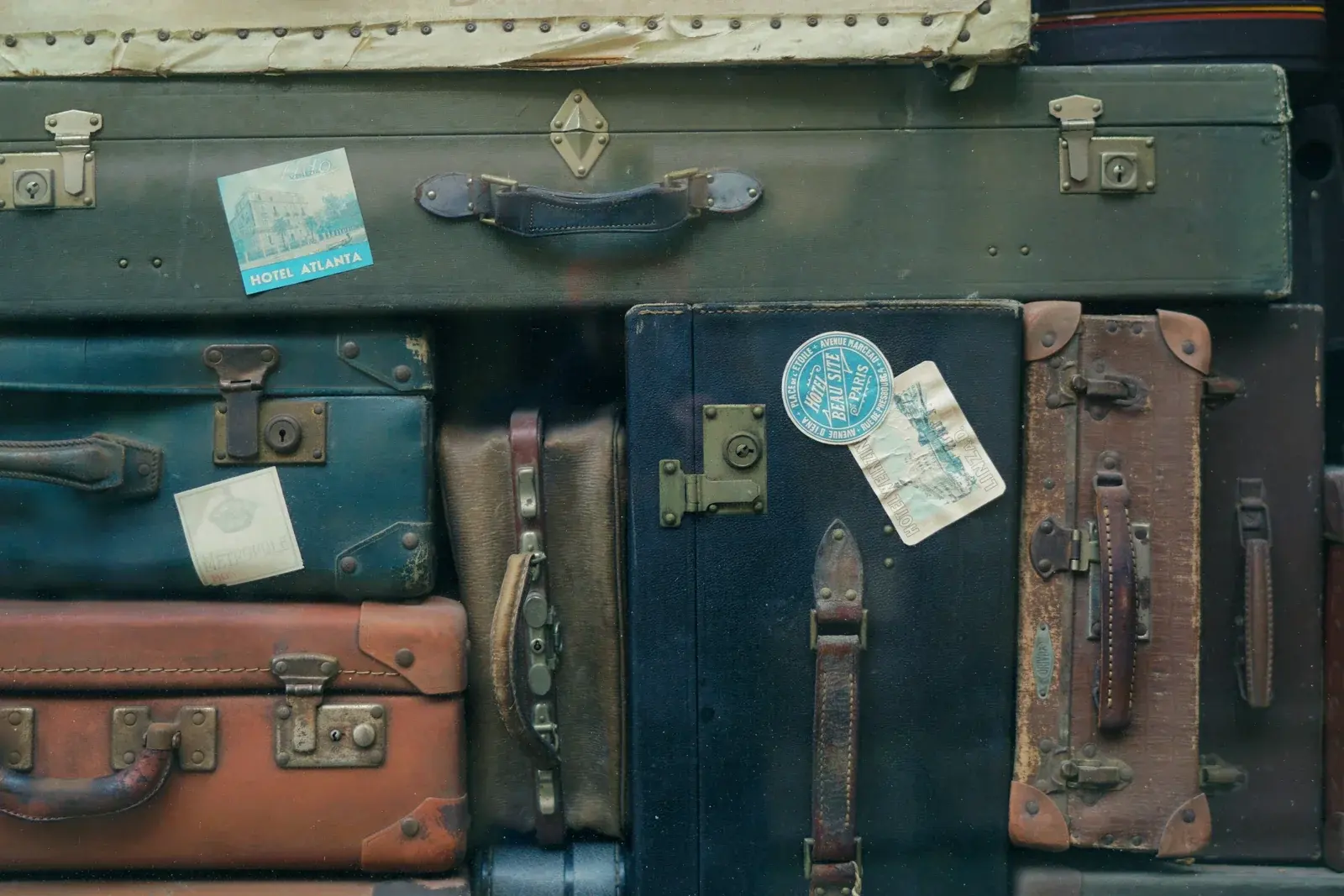
A luxury travel packing list for a week fits one 35–40 litre carry-on: three or four tops (merino where possible), two bottoms, one outer layer that works day and evening, two pairs of shoes, five sets of underwear and socks, swimwear, a flat dopp kit with your own skincare and beard care in 100 ml containers, a phone, a GaN charger, headphones, a universal adapter and a battery pack, and your documents in two forms. Everything else is what the hotel provides or what you only think you might need. This guide lists the items, explains the fabric and security rules that decide what goes in, and gives the one-bag method that makes the whole thing work.
Frequent travel teaches the same lessons the hard way: over-packing for a beach trip, under-packing for a mountain week, forgetting essentials, and carrying items that never leave the bag. From weekend escapes to cabin country to three-week journeys across Southeast Asia, the mistakes are remarkably consistent. What remains after all that trial and error is this list: the items worth bringing on every trip, regardless of destination, duration, or season. It is not about minimalism for its own sake. It is about travelling with precisely what you need, at a quality level that makes every item a pleasure to use.
The Philosophy of Packing Light but Well
The luxury travel paradox is real: the more premium your trip, the less you actually need to bring. A well-chosen hotel provides robes, slippers, toiletries, and often laundry service. A great restaurant does not require a different outfit than a great gallery or a sunset cocktail bar if your clothing is well-chosen.
Our principle is simple: every item must earn its weight. If something sits unused for more than two days, it should not have come. If something serves only one purpose, it needs to be exceptional at that purpose to justify the space.
Aim for a single carry-on bag for trips up to ten days. Beyond ten days, add a compact checked bag, but the carry-on remains the core. This approach eliminates baggage claim anxiety, simplifies airport transfers, and forces the kind of intentional selection that actually improves your wardrobe over time. Cabin-bag size and weight limits differ by airline and by fare, and several carriers now sell the larger bag as an extra, so check your airline's current allowance for both the main bag and the small personal item before you choose the bag itself.
The Seven-Day Carry-On, Itemised
| Category | What to pack | Why this and not more |
|---|---|---|
| Tops | 2 neutral t-shirts, 1 long-sleeve linen or merino shirt, 1 dressier button-down | Merino goes days between washes; the button-down covers every evening |
| Bottoms | 1 pair of chinos or trousers, 1 pair of tailored shorts (or dark denim for cool trips) | Two bottoms in a neutral palette pair with every top |
| Outer layer | 1 jacket matched to the climate: linen blazer, merino quarter-zip or packable down | Must work from daytime exploring to dinner |
| Underwear and socks | 5 of each in merino or quick-dry fabric | One mid-trip wash covers the week |
| Shoes | 2 pairs: clean white leather sneaker, loafer or desert boot | The third pair is where bags overflow |
| Swimwear | 1 pair that doubles as casual shorts | Two uses, one item |
| Grooming | Cleanser, SPF moisturiser, night cream, beard oil and balm, deodorant, toothbrush, floss, all 100 ml or under | Hotel amenities rarely match products chosen for your skin |
| Tech | Phone, braided cable, GaN charger, noise-cancelling headphones, universal adapter, pocket battery pack | One charger for phone and laptop; laptop only if work demands it |
| Documents | Passport in a holder, insurance printed and digital, two payment cards from different providers, RFID card wallet | Redundancy is the luxury here |
Clothing
The foundation is a neutral palette that mixes and matches without thought. For a week-long trip, pack:
Three to four tops: Two high-quality t-shirts in neutral tones (white, navy, charcoal), one long-sleeve linen or merino shirt, and one slightly dressier button-down for evenings. Merino wool is our preferred material for travel, and the fibre's own trade body backs the reasons: Woolmark states that merino is naturally odour resistant, that wool can absorb up to 35 per cent of its weight in moisture before it feels wet, that it is one of the most breathable fibres, that it is quick-drying without a tumble dryer, and that it can be folded and rolled and still return to its original shape, and that any fold marks from the journey come out if the garment hangs in the bathroom while a hot shower runs. That is the whole packing problem solved in one fibre.
Two bottoms: One pair of well-fitted chinos or trousers in a versatile colour (navy, olive, or stone), and one pair of tailored shorts for warm destinations or swapped for dark denim for cooler trips.
One outer layer: A lightweight jacket that works across settings: a linen blazer for summer trips, a merino quarter-zip for cooler weather, or a packable down jacket for mountain or winter travel. This single piece has to transition from daytime exploration to evening dining without looking out of place.
Underwear and socks: Five pairs of each, in merino or performance fabric that dries quickly. This covers a full week with one mid-trip wash if needed.
Shoes: Two pairs maximum. A clean white leather sneaker for daytime and a simple loafer or desert boot for evenings. Packing a third pair of shoes is where most people's bags overflow.
Swimwear: One pair of quality swim shorts that double as casual shorts if needed.
If this list looks like a capsule wardrobe, that is because it is one; the capsule wardrobe tutorial builds the same logic for home.
Grooming
This is where it does not pay to compromise. Hotel amenities have improved over the past decade, but they rarely match the products you have chosen specifically for your skin and hair. Travel with a pared-down version of the Nordic grooming routine:
A gentle cleanser, moisturiser with SPF, and a small tube of night cream in travel sizes. These three products cover the essentials without taking up significant space. Decant into reusable silicone tubes that lie flat in a dopp kit.
For beard care, a small bottle of Viking Beard oil and a travel-sized balm are non-negotiable. Three weeks without beard oil in a dry climate or air-conditioned hotel is enough to undo months of conditioning, and travel-sized bottles are proportioned for a week to ten days.
A quality deodorant, travel toothbrush, and dental floss complete the grooming kit. Everything fits in a flat leather dopp bag that slides into the top of the carry-on. For the routine itself, see the modern gentleman's skincare routine.
The liquids rule, as published. At most UK airports you cannot take liquids in containers larger than 100 ml through security, even if the container is only part full; where an airport asks for liquids to be separated, they go in one clear, resealable bag of up to one litre, about 20 cm by 20 cm, one bag per person, not tied at the top. Some airports now allow containers up to 2 litres, but connecting airports may not, so pack to 100 ml unless every airport on the route says otherwise. Containers up to 2 litres are allowed everywhere in the UK for essential medical needs, special dietary requirements and baby food or milk, and sealed duty-free liquids with the receipt visible may be carried through. Other countries' rules are similar in shape but not identical; check the departure airport's page the day before.
Tech
Keep tech minimal but functional:
Phone and charger. A braided cable that resists tangling and a compact GaN charger that handles both phone and laptop through a single adapter.
Noise-cancelling headphones. Essential for flights, trains, and hotel rooms with thin walls. Over-ear for long flights, in-ear for everything else.
A slim laptop or tablet. Only if work demands it. If you are travelling for leisure, leave the laptop behind. Your phone handles everything you genuinely need.
A universal power adapter. One adapter that covers every plug standard. Cheap insurance against the frustration of arriving in a country with incompatible outlets.
A portable battery pack. Small enough to fit in a jacket pocket, powerful enough for a full phone charge. Essential for days spent exploring without access to a plug.
Documents and Security
Passport in a quality leather holder. Travel insurance documentation saved digitally and printed as backup. Copies of key documents stored in a secure cloud folder accessible from your phone.
A slim RFID-blocking card wallet keeps payment and access cards secure. Carry two payment methods from different providers, one primary and one backup, in case of card issues abroad.
Hotel confirmations, activity bookings, and restaurant reservations all live in a single travel app. Pre-book experiences through platforms like Pelago to guarantee availability and save time on arrival. If the trip itself is still being planned, our six-step tutorial on booking luxury travel for less covers timing, loyalty and when to use an agent.
The One Bag Rule
If you take nothing else from this guide, take this: try travelling with one bag. Just once. The freedom of walking straight off the plane, through arrivals, and into a taxi without waiting at a carousel is transformative. It changes how you move through airports, how you navigate city streets, and how you think about what you actually need versus what you think you might need.
Start with a 35–40 litre carry-on backpack or rolling bag that sits inside your airline's published cabin dimensions. Pack it the night before and then walk around your home with it for ten minutes. If anything feels excessive, remove it. The best trips are the ones where you feel light, physically and mentally.
For destination inspiration to put this packing list to work, see our travel destinations guide and the luxury European road trip guide.
Related reading: private jet vs first class: an honest cost-benefit analysis, sustainable luxury travel: yes, it is a real thing now and the modern gentleman's skincare routine decoded.
Frequently asked questions
How many clothes do I need for a week in one carry-on?
Three or four tops, two bottoms, one outer layer, two pairs of shoes, five sets of underwear and socks and one pair of swim shorts. In a neutral palette, with merino doing the heavy lifting, that covers seven days with one mid-trip wash.
Why merino wool for travel?
According to Woolmark, merino is naturally odour resistant, absorbs up to 35 per cent of its weight before feeling wet, is among the most breathable fibres, dries quickly without a tumble dryer and returns to shape after being rolled. One shirt can go days between washes.
What are the rules for liquids in hand luggage?
At most UK airports, containers of 100 ml or less in one clear resealable bag of up to one litre (about 20 cm by 20 cm), one bag per person. Some airports allow up to 2 litres, but connecting airports may not. Medical, dietary and baby items are allowed up to 2 litres everywhere in the UK.
What size carry-on should I buy?
A 35–40 litre bag is the sweet spot for seven to ten days, but buy to your airline's published cabin dimensions and weight, which differ by carrier and fare. Check both the main cabin bag and the small personal item allowance before you choose.
Sources
Continue Reading
Continue in this collection


Found this useful? Explore more in the Journal.
BACK TO JOURNAL