Men's Skincare Routine, Decoded: The Four-Minute Version
Last updated: 16 October 2026
Researched and drafted with AI assistance; reviewed, fact-checked and approved by Thomas Lovas Lokoy. Editorial policy
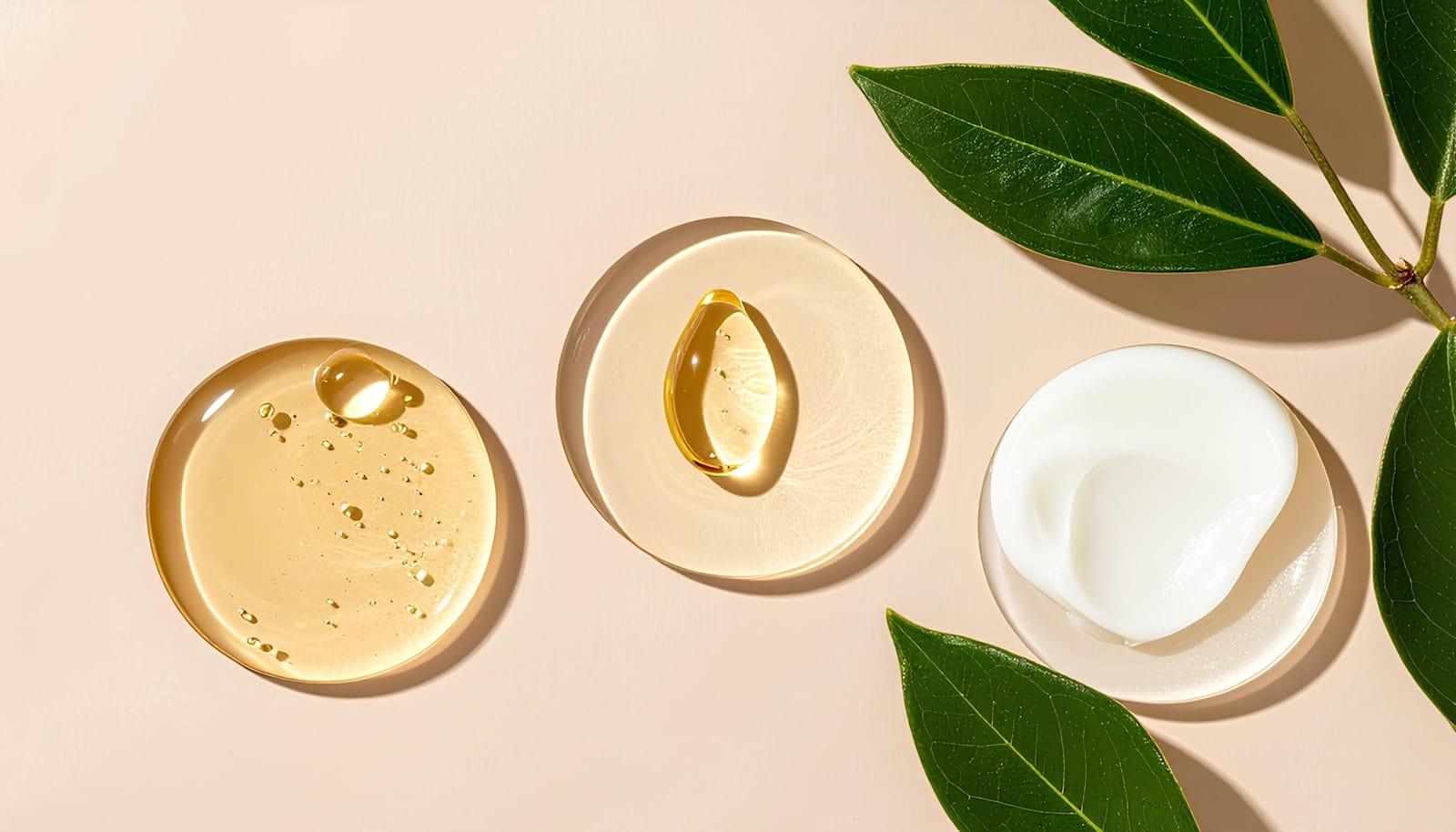
A good men's skincare routine takes about four minutes and four kinds of product: a mild cleanser, a moisturiser, a broad-spectrum sunscreen of SPF 30 or higher in the morning, and, once your skin is used to the basics, a retinoid at night. That matches what the American Academy of Dermatology advises men: wash your face daily and after exercise with a mild cleanser and lukewarm water rather than bar soap, moisturise daily while the skin is still damp, and use a water-resistant, broad-spectrum sunscreen with SPF 30 or more on exposed skin. Everything else, essences, mists and twelve-step routines, is optional. Below: the routine, how to choose each product for your skin type, how to start a retinoid without irritation, shaving that does not wreck your skin, and when to see a dermatologist.
Because looking like you slept eight hours shouldn't take three of them.
There is a particular madness that grips the modern bathroom shelf: amber bottles that cost more than dinner, and a man squinting at labels at midnight, trying to remember whether the hyaluronic acid goes before the retinol. The industry calls it "the routine". For most men it has become an administrative burden, and it does not need to be.
Start with your skin type
The AAD sorts skin into five types: sensitive (may sting or burn after products), normal, dry, oily and combination. Two label rules follow from that:
- Acne-prone or oily: choose products marked "non-comedogenic", which are formulated not to clog pores.
- Sensitive: choose "fragrance-free". "Unscented" products can still contain masking fragrances.
The four-minute routine
| When | Step | What to use | Why |
|---|---|---|---|
| Morning | Cleanse (or just rinse) | Mild cleanser, lukewarm water | Removes oil and sweat without stripping the skin |
| Morning | Antioxidant serum (optional) | A vitamin C serum such as SkinCeuticals C E Ferulic | Many people like it under sunscreen; it is a nice-to-have, not a must |
| Morning | Protect | Broad-spectrum, water-resistant sunscreen, SPF 30+ | The single most important step against sun damage and visible ageing |
| Evening | Cleanse | Mild cleanser; a cream or balm cleanser after a day in the city | Clears sunscreen, sweat and pollution |
| Evening | Treat | A retinoid, introduced slowly | Speeds cell turnover; the best-known active for visible signs of ageing |
| Evening | Moisturise | A moisturiser suited to your skin type | Seals in water and buffers retinoid irritation |
That is it: four core products, six steps at most. No essences, no balancing mists, no sheet masks unless you are on a long-haul flight and indifferent to the cabin crew.
Cleansing without stripping
The most common mistake is treating your face like a garage floor. The AAD warns that bar soap can be harsh and drying, and recommends a mild cleanser with lukewarm, not hot, water. Wash daily and after exercise; in the morning, if your skin is dry, a rinse may be enough. If you spend the day in a polluted city, a cream or balm cleanser in the evening removes sunscreen and grime more thoroughly. Stockholm's Verso is one Scandinavian option for a gentle daily cleanser; any mild, fragrance-free cleanser does the job.
Moisturise while damp
Moisturise daily, and do it immediately after washing, showering or shaving, while the skin is still damp, as the AAD advises; that is when a moisturiser traps the most water. In a Nordic winter or after a flight you may want a richer cream; in summer, a lighter lotion. If you are acne-prone, keep it non-comedogenic.
Sunscreen: the non-negotiable
Use a broad-spectrum, water-resistant sunscreen with SPF 30 or higher on exposed skin, including the ears, neck and the top of the head if your hair is thin, and reapply every two hours outdoors or straight after swimming or sweating. In the UK, the NHS also recommends at least four-star UVA protection. Even in a grey northern winter, UV reaches your skin, and if you skip sunscreen you are undoing everything else on the shelf.
The common complaint, that sunscreen is thick, white and smells of holidays, has largely been solved: lightweight fluids and gels disappear on most skin tones. Try a few until you find one you will actually wear every day.
Retinoids: start slowly
Retinoids, vitamin A derivatives including retinol, are the best-known active ingredient for the visible signs of ageing because they speed up cell turnover. They also irritate when introduced too fast. Dermatologists commonly advise:
- A pea-sized amount for the whole face, not spot treatment.
- Start every other night, or even every third night, and build up as your skin tolerates it; some redness and peeling at first is common.
- Buffer with moisturiser, applied before the retinoid if your skin is sensitive.
- Wear sunscreen every day, because retinoids make skin more sensitive to the sun and some break down in sunlight.
If your skin becomes red or sore, stop for a few days and restart more slowly. If you have a skin condition or take other prescription treatments, ask a doctor or pharmacist first.
Shaving without the damage
Shaving is where many men's skin problems start. The AAD's advice: soften the skin and hair first, use a moisturising shaving cream, shave in the direction of hair growth, do not stretch the skin taut, and change your blade after five to seven shaves. If you get razor bumps, burn or ingrown hairs, try a single- or double-blade razor. Moisturise straight afterwards. For the kit, see our tutorial on building a men's grooming kit; if you have a beard, beard oil, balm or wax covers the care.
Eyes and neck
The skin around the eyes is thinner than the rest of the face, so gentler products and a good night's sleep do more than any eye cream. As for the neck, it is the great betrayer: whatever you put on your face, cleanser, moisturiser and above all sunscreen, take it down to the collarbones.
Check your skin
Part of a routine is looking. The AAD lists spots or moles that itch, bleed or change colour as possible early warning signs of skin cancer; see a dermatologist about anything suspicious. Men often skip this; don't.
What is worth paying for
- Sunscreen you will wear daily. The best one is the one you do not resent.
- A proven active. A retinoid at night and, if you like, a vitamin C serum in the morning.
- Everything else on budget. A mild cleanser and a plain moisturiser do not need to be expensive. Our guide to luxury skincare and what to pay for goes further.
The takeaway
- Consistency beats complexity. Three or four products every day beat twelve products once a week.
- The sun is the enemy. If you use only one "anti-ageing" product, make it sunscreen.
- Choose for your skin type. Non-comedogenic for acne-prone, fragrance-free for sensitive.
- Go slowly with retinoids. Pea-sized, every other night, sunscreen daily.
- Stop using body wash on your face. You are a grown man.
For the bigger picture, see our Nordic grooming routine, men's grooming essentials, a brief history of men's grooming and what actually works for hair loss in your 30s.
Frequently asked questions
What is a good basic skincare routine for men?
Morning: a mild cleanser or rinse, then a broad-spectrum, water-resistant sunscreen of SPF 30 or more. Evening: a mild cleanser, a retinoid once your skin is used to it, and a moisturiser applied while the skin is still damp. The American Academy of Dermatology's advice for men follows the same pattern.
Can men use bar soap on their face?
It is better not to. The American Academy of Dermatology notes that bar soap can be harsh and drying and recommends a mild cleanser with lukewarm, not hot, water.
How should I start using retinol?
Use a pea-sized amount for the whole face every other night, or every third night, and build up as your skin tolerates it. Apply moisturiser first if you have sensitive skin, and wear sunscreen daily, because retinoids make skin more sun-sensitive.
What SPF should men use every day?
At least SPF 30, broad-spectrum and water-resistant, according to the American Academy of Dermatology, reapplied every two hours outdoors or after swimming or sweating. The NHS also recommends at least four-star UVA protection.
Sources
Continue Reading
Continue in this collection



Found this useful? Explore more in the Journal.
BACK TO JOURNAL