Aman vs Rosewood vs Six Senses: How the Top Luxury Hotel Brands Differ
Last updated: 30 September 2026
Researched and drafted with AI assistance; reviewed, fact-checked and approved by Thomas Lovas Lokoy. Editorial policy
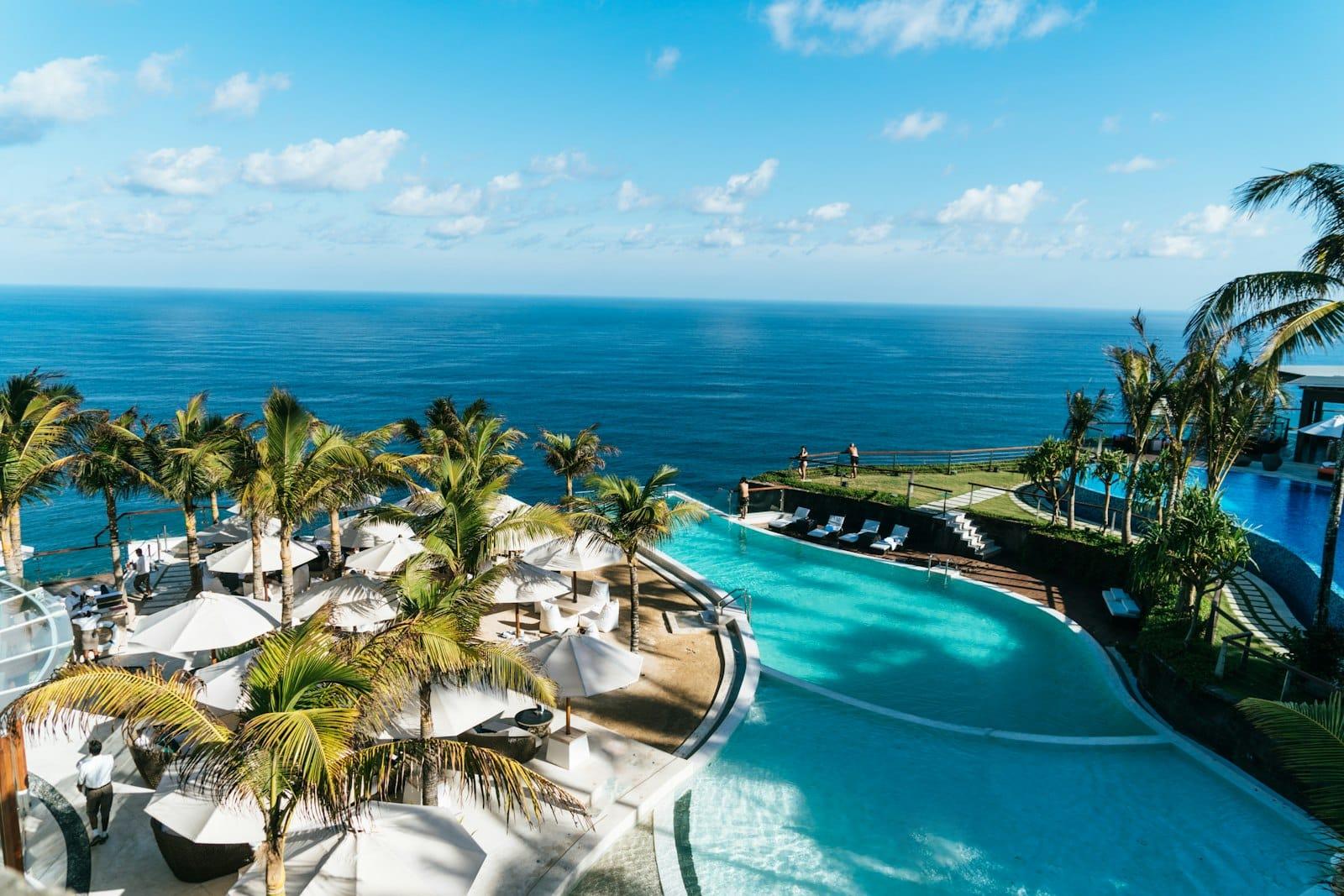
A discerning guide to the Holy Trinity of high-end hospitality, and which one actually deserves your loyalty—and your Amex Black.
The short answer: choose Aman for silence, architecture and privacy; Rosewood for residential-style hotels at the centre of city and social life; Six Senses for wellness and sustainability in remote places. All three sit at the top of the market, but they sell different experiences — and the right one depends on whether you want to disappear, to be in the thick of things, or to come home healthier.
The modern traveller is a spoiled creature. We have reached a point where "luxury" is no longer a differentiator but a baseline requirement, like indoor plumbing or Wi-Fi that does not crumble the moment you try to stream a Lecce football match. When every second-rate developer can buy a slab of Carrara marble and hire a Michelin-starred chef to deconstruct a langoustine, the true distinction lies in the intangible: the philosophy, the gait of the service, and the specific brand of escapism on offer.
In the upper echelons of global hospitality, three names dominate the conversation: Aman, Rosewood and Six Senses. To the uninitiated, they are simply expensive places to sleep. To the initiated — the "Amanjunkies", the Rosewood regulars and the biohacking pilgrims — they represent entirely different ways of moving through the world.
One does not go to a Six Senses to behave like a decadent 19th-century industrialist, nor does one check into an Aman to find a bustling lobby full of local influencers. Here is how the landscape actually lays out.
| Aman | Rosewood | Six Senses | |
|---|---|---|---|
| Founded | 1988, by Adrian Zecha, with Amanpuri in Phuket | 1979, in Dallas, by Caroline Rose Hunt | 1995, by Sonu Shivdasani |
| Owned by | Vladislav Doronin (chairman and CEO) | Rosewood Hotel Group, Hong Kong (since 2011) | IHG Hotels & Resorts (since 2019) |
| The mood | Silence, privacy, architecture | Residential luxury with a social pulse | Wellness, sustainability, barefoot luxury |
| Service style | Invisible and intuitive | Warm, polished, conversational | Relaxed and personal, led by "GEMs" |
| Best for | Disappearing | City life and culture | Coming home healthier |
The Aman Cult: Silence as a Commodity
We must begin with Aman, because Adrian Zecha's 1988 debut of Amanpuri in Phuket remains the "Year Zero" of modern luxury — reportedly at nightly rates around five times those of its local competitors. Before Amanpuri, luxury meant gold leaf, heavy drapes and a concierge who looked about to challenge you to a duel. Zecha introduced the idea of the "peaceful place": minimalist, architecturally significant and aggressively private.
The Aman ethos is that of the "anti-hotel": if the staff are doing their jobs correctly, there is no visible effort at all. It is the architectural equivalent of a deep exhale. At Amanzoe in the Peloponnese, designed by the late Ed Tuttle, you are paying for the privilege of feeling like the last person on Earth — albeit one with access to very chilled Sancerre.
Historically, Aman was rural. It thrived in places like Bhutan (Amankora) and the Utah desert (Amangiri). The August 2022 opening of Aman New York in the Crown Building on Fifth Avenue signalled a shift under Vladislav Doronin, the group's owner, chairman and CEO. It tests the brand's core promise: can you find peace in a skyscraper?
The Aman guest is typically someone who spends their life being looked at — founders, chief executives, the odd recalcitrant hermit with a Swiss bank account. They go to Aman because, for the truly wealthy, the greatest luxury is not being found.
Rosewood: The Modern Aristocrat's Living Room
If Aman is the silent monastery, Rosewood is the grand estate of your wealthiest, most tasteful friend. Its "A Sense of Place" philosophy aims for hotels that feel like ultra-luxury residences that happen to have a check-in desk hidden somewhere in the library.
Rosewood was founded in Dallas in 1979 by Caroline Rose Hunt. Its trajectory changed in 2011, when Hong Kong's Rosewood Hotel Group (formerly New World Hospitality) bought it, with Sonia Cheng as chief executive. What had been a Texan collection became a global name in residential luxury.
Take the Hôtel de Crillon in Paris, the 18th-century palace on the Place de la Concorde that reopened under Rosewood management in 2017 after its restoration. Karl Lagerfeld designed its two Grands Appartements, and its Les Ambassadeurs bar is a room where you are as likely to see a fashion editor in a hoodie as a diplomat in Brioni.
The Rosewood guest is social. They want to be in the centre of the action, provided the action is sufficiently curated. Rosewood London in Holborn, opened in 2013, feels like a very exclusive club, and its Scarfes Bar is one of the best places in the city for a Negroni and live jazz. In New York, The Carlyle — a Rosewood hotel since 2001 — shows the house style at its most theatrical.
Rosewood is not an escape from reality, but a significantly better version of it.
Six Senses: The High-Tech Shaman
Then there is Six Senses. If Aman is about the architecture and Rosewood about the lifestyle, Six Senses is about the biological machine that is you. Founded by Sonu Shivdasani in 1995 (the man behind Soneva), the brand was acquired by IHG in 2019, to the horror of purists who feared the "InterContinental-isation" of the brand.
Those fears have so far proved largely unfounded. Six Senses has built its reputation on wellness that goes beyond a spa menu — screenings, sleep programmes, fitness and nutrition — alongside a sustainability agenda that runs through its design and operations. It is a brand for the person who wants to live to 120 and look 45 while doing it.
The aesthetic is eco-chic: reclaimed wood, linen and natural materials. Do not let the barefoot-luxury vibe fool you, though; this is an expensive operation. Six Senses Shaharut in Israel's Negev Desert is a showcase of sustainable luxury in an unforgiving landscape.
The Six Senses guest is likely wearing Loro Piana leisurewear and a sleep tracker. They know their resting heart rate but still appreciate a vintage Bordeaux. The brand's push into cities — including its London project at the former Whiteleys department store in Bayswater — brings that wellness ethos to people who need a reboot between board meetings.
The Architecture of Service: Who Does It Better?
Service is where the masks slip. At an Aman, service is ghost-like. You leave for a swim, and by the time you return the room has been reset and a fresh plate of dragon fruit has appeared as if by magic. It is intuitive and purposefully invisible.
Rosewood service is white glove with a wink: impeccably professional but warmer and more conversational, a style that acknowledges the theatre of luxury.
Six Senses service is the most relaxed of the three, often led by "GEMs" — Guest Experience Makers. It is friendly, informal and focused on your personal journey. It is the only one of the three where a staff member might gently suggest you skip the third espresso for the sake of your sleep. Whether you find that helpful or intrusive is a matter of temperament.
Where the Brands Are Heading
The map of luxury is being redrawn. Aman is moving aggressively into branded residences, with projects such as Aman Residences in Miami Beach and Beverly Hills: for some, simply staying at an Aman is no longer enough; they want to live in one.
Rosewood continues to add European landmarks and resort addresses, while Six Senses is heading into the snow and the desert — Six Senses Crans-Montana in the Swiss Alps caters to skiers who prefer a biohack to a fondue, and Six Senses Southern Dunes on Saudi Arabia's Red Sea coast shows the brand building luxury in one of the most inhospitable environments on the planet.
The Price of Admission
All three brands sit at the top of the market, and nightly rates swing widely with season, destination and room category — from the most accessible rooms at city hotels to multi-bedroom villas at trophy resorts. Rather than trusting any quoted figure, compare the same dates across the three on each brand's own site, and read what is included:
- Aman tends to price rooms on their own, with dining and experiences largely à la carte.
- Rosewood offers a broad range across its city hotels and resorts, and its Rosewood Elite programme adds perks such as upgrades and breakfast.
- Six Senses often bundles wellness elements into stays and programmes, which can make a higher headline rate better value than it first looks.
Choosing Your Tribe
Ultimately, the choice between these three brands is a psychological Rorschach test.
If you are exhausted by the noise of the world and want a sanctuary where the architecture speaks louder than the guests, you are an Amanjunkie. You want the Ed Tuttle or Kerry Hill aesthetic — long lines, symmetry and profound stillness.
If you are a creature of the city, a lover of history, and someone who appreciates a well-tailored suit and a lively bar, you belong at a Rosewood. You want to feel like a local, provided that "local" has a direct line to the best table in town.
If you care about your carbon footprint but care even more about your biological age, Six Senses is your home. You want to leave your holiday feeling better than when you arrived.
The great irony of the luxury travel market is that most of us will cycle through all three depending on the month: Six Senses Vana in India to detox in January, Rosewood Castiglion del Bosco in Tuscany in July to re-tox with Brunello, and Amanjena in Marrakech in October when we simply cannot look at another human being.
In the end, these brands are not selling rooms. They are selling different versions of ourselves.
The Takeaway
- Aman is for architectural solitude: the most private of the three, with invisible service and minimalist design.
- Rosewood is for the sophisticated socialite: a residential feel with lively public spaces and a deep connection to local culture and history.
- Six Senses is for the wellness optimiser: wellness programmes, sustainability and eco-chic design, often in remote locations.
- The trend: all three are expanding into cities and branded residences — the very wealthy want the hotel experience even when they are not on holiday.
- Final tip: compare the same dates on each brand's own site, and read what the rate includes before comparing headline prices.
Related reading: the world's most extraordinary hotel suites, digital detox retreats worth the trip, where the ultra-wealthy are actually going in 2026 and sustainable luxury travel done right.
FAQ
What is the difference between Aman and Rosewood?
Aman sells silence, privacy and architecture, usually in remote places, with invisible service. Rosewood sells residential-style luxury with a social pulse, often in cities, with warmer and more conversational service.
Is Six Senses as luxurious as Aman?
Both sit at the top of the market, but they aim at different things. Aman focuses on architecture and privacy; Six Senses focuses on wellness, sleep and sustainability, with a more relaxed, barefoot style.
Who owns Aman, Rosewood and Six Senses?
Aman is owned by Vladislav Doronin, its chairman and CEO. Rosewood belongs to Hong Kong's Rosewood Hotel Group, which bought it in 2011. Six Senses has been part of IHG Hotels & Resorts since 2019.
Which is best for a beach holiday?
It depends on the holiday you want. Aman suits travellers who want privacy and quiet; Six Senses suits those who want wellness built in; Rosewood suits travellers who want resort comfort with more social life. Compare the specific resorts, not just the brands.
Which luxury hotel brand is best for wellness?
Of the three, Six Senses is the one built around wellness, with sleep programmes, screenings and fitness woven into many stays.
Continue Reading
Continue in this collection

Found this useful? Explore more in the Journal.
BACK TO JOURNAL