Luxury Hotel vs Private Members' Club: Which Fits the Way You Travel?
Last updated: 7 November 2026
Researched and drafted with AI assistance from published sources; edited and published by NorwegianSpark SA. Editorial policy
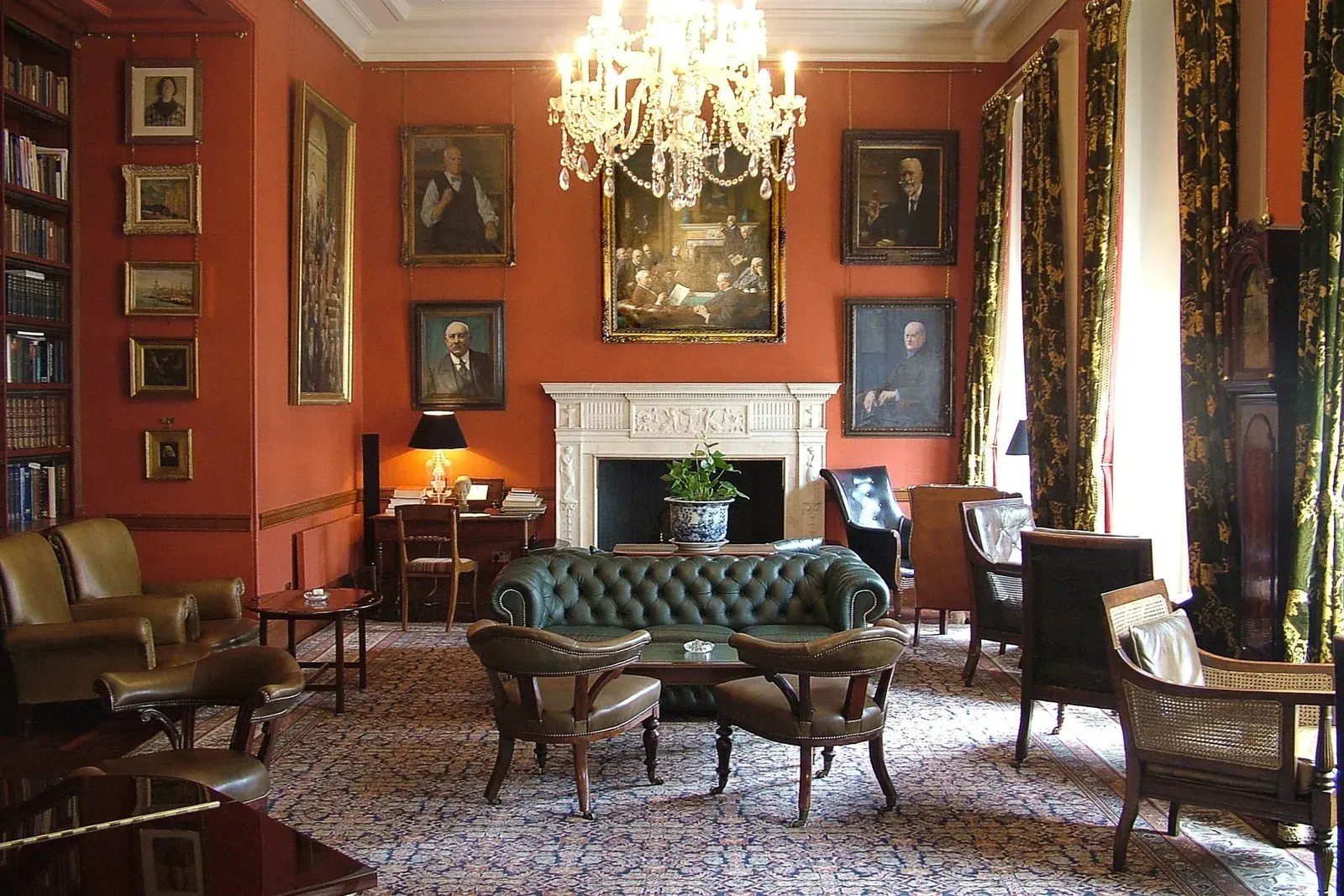
The short answer: a luxury hotel sells you nights; a private members' club sells you a year of belonging. If you visit a city a few times a year and want the best room and service each time, a hotel is simpler and usually cheaper. If you live in a city, or return so often that you want a familiar room to work, eat and meet people in, a club starts to make sense. The line has blurred: Soho House sells membership with bedrooms attached, and The Ned describes itself as "a hotel and members' club" in London, New York and Doha. Decide by how often you are there, who you want to bring, and whether you will actually use the place outside the nights you sleep in it.
The question comes up most often from people who travel well and are tired of hotel lobbies full of strangers, or from people who have been offered a club membership and are not sure it is worth the annual fee. The two are not really competitors. They solve different problems, and the useful question is which problem you have.
What you are actually buying
A luxury hotel sells a room for a night, with everything around it: the bar, the restaurant, the spa, the concierge. Anyone can book, you pay per stay, and there is no commitment once you check out. Its strength is that it is always available to you and never asks anything of you in return.
A private members' club sells access over a year: a set of rooms you can use to work, eat, drink and meet people, usually with rules about who can come in, how many guests you can bring and how members behave. You pay an annual subscription, often a joining fee, and then still pay for what you eat, drink and, where a club has them, for its bedrooms. Its strength is familiarity: the same staff, the same corner table, and other members who were admitted on purpose.
Traditional clubs, such as the old gentlemen's clubs of St James's in London, admit by nomination and election and rarely publish their fees. Our guide to private members' clubs covers how that world works. This guide is about the newer clubs that compete directly with hotels, because that is where the choice is real.
The hybrids: clubs with bedrooms, hotels with clubs
The most useful development for travellers is that the two models now overlap.
Soho House is the clearest example of a club built around bedrooms. On its membership page, Every House membership gives access to 48 Houses in 19 countries, the best rates on Soho House bedrooms, the right to bring up to three guests, and early access to new House openings. Its FAQ says the gym, steam room and sauna at a House are open to members and hotel guests only, unless the House says otherwise.
Soho House also sells a lighter tier aimed squarely at travellers. Soho Friends costs £135, $175 or €155 a year on Soho House's own page, and is designed for people who want to "stay in our bedrooms around the world at preferred rates, and enjoy late checkouts and room upgrades". The catch is stated plainly: Soho Friends can only use the Houses while staying in a bedroom. In other words, it is a hotel loyalty product with a club atmosphere, not a club membership.
The Ned works the other way round: a hotel with a members' club inside it, in London, New York and Doha. If you are weighing a stay there, ask the hotel which club areas a hotel guest can use and which are kept for members, because that difference is what you are paying the membership for.
Hotel or club: side by side
| Luxury hotel | Private members' club | Club with bedrooms (e.g. Soho House) | |
|---|---|---|---|
| How you get in | Book online or by phone | Apply or be nominated; committee decides; often a waiting list | Apply for membership, or book a bedroom as a guest |
| What you pay | Per night | Annual subscription, often a joining fee, plus food and drink | Annual subscription, plus bedrooms at member rates |
| Guests | Whoever you book for | Limited by club rules | Soho House: up to three guests |
| Use when not staying | Bar and restaurant usually open to non-residents | Yes, that is the point | Yes for full members; Soho Friends only while staying |
| Privacy from the public | Low to moderate | High | High in member areas |
| Commitment | None | A year at a time | A year at a time |
| Best for | Occasional visits, families, total flexibility | People who live in or constantly return to one city | Frequent travellers who return to the same few cities |
How to decide: four questions
1. How many nights a year will you spend in the city? If the answer is a handful, a hotel almost always wins. You get the room you want, no annual fee, and the freedom to try somewhere else next time.
2. Will you use the place when you are not sleeping in it? This is the real test of a membership. A club earns its fee in the lunches, meetings and evenings in between, not in the bedrooms. If you would only ever use it as a hotel, a hotel-style tier such as Soho Friends, or simply a good hotel, is the honest answer.
3. Who do you want to bring? Clubs limit guests and expect members to be responsible for them. Soho House allows three. If you travel with family or entertain large groups, a hotel with private dining is easier. Soho House's FAQ also notes that membership is "just for you", so a partner who is not a member needs to come in as your guest.
4. How much does privacy matter? A hotel bar is open to anyone who walks in. A club is not, and for many members that is the whole value: a place to talk without being overheard and to work without being approached.
The arithmetic
Work out what the fee costs you per use, then compare it with what you would otherwise spend.
Take Soho Friends at £135 a year. If you stay in a Soho House bedroom four times a year, the fee works out at about £34 per stay before any saving from the preferred rate. Whether that pays back depends on the room rates on the dates you actually travel, and on how much you value a late checkout or an upgrade. Check the member rate against the public rate for one real booking before you decide.
Full club memberships cost more, and their value is mostly in the days you use the House without staying. Divide the annual cost by the number of times you realistically expect to go in. If the honest number is low, the membership is a nice idea rather than a good purchase. Soho House's FAQ says membership renews automatically each year, so set a reminder to review it.
How applications work
Hotels need only a credit card. Clubs vary:
- Traditional clubs usually need a proposer and seconder who are existing members, then election by a committee.
- Contemporary clubs usually take an online application. Soho House's FAQ says an applicant can add the names of existing members who know them to the application form, and that adult applications, like child memberships, can have a waiting list.
- Clubs that are part of a group, such as Annabel's in Mayfair, part of the Birley Clubs, take applications through the group's own membership site.
Expect to be asked what you do and why you want to join. Clubs are choosing members for the mix of people, not just the fee.
Who should choose which
- The occasional visitor to London, New York or Paris: a hotel, booked for the room and the location you want each time.
- The frequent traveller who returns to the same three or four cities: a club with bedrooms, or a bedroom-focused tier, can make every stay feel familiar.
- The resident who wants a second living room in town: a club, chosen for the House you will use most often.
- The family: a hotel. Club guest limits and house rules make group stays harder.
- The person who entertains for work: a club if your guests value privacy; a hotel with good private dining if you need to host more than a few people.
If the hotel side of the decision is the one that matters to you, our guides to Aman, Rosewood and Six Senses and to the best hotel suites explain how the top brands differ, and our hotels page lists the hotel groups we feature. If what you really want is someone to make the bookings, read our guide to luxury concierge services first.
Frequently asked questions
Is a private members' club worth it compared with a luxury hotel?
Only if you will use it when you are not staying overnight. A club's fee pays for a year of access to its rooms, restaurants and other members; if you would only use it as somewhere to sleep, a good hotel is usually simpler and cheaper.
Can you stay overnight at a members' club?
At some. Soho House has bedrooms, and its Every House membership includes the best rates on them. Its Soho Friends tier, at £135, $175 or €155 a year, gives preferred bedroom rates, late checkouts and room upgrades, but access to the Houses only while you are staying.
Can hotel guests use members' club facilities?
It depends on the place. Soho House says its gyms, steam rooms and saunas are open to members and hotel guests unless a House states otherwise. At hotels that contain a members' club, such as The Ned, ask which areas hotel guests can use before you book.
How many guests can you bring to Soho House?
Soho House's FAQ says members can bring three guests with them to the Houses at any time.
How do you join a private members' club?
Traditional clubs usually need a proposer and seconder who are members, followed by a committee election. Contemporary clubs such as Soho House take online applications, where you can name existing members who know you, and may have a waiting list.
We earn a commission from some links on this site; it can influence which providers we feature. We have no commercial relationship with Soho House, The Ned or Annabel's. Membership terms and prices are from sohohouse.com, thened.com and annabels.co.uk, read on 7 November 2026, and can change. Photo: the Drawing Room at The Arts Club, London, by 40Dover (public domain, via Wikimedia Commons).
Sources
Continue Reading



Continue in this collection



Found this useful? Explore more in the Journal.
BACK TO JOURNAL