How to Book a Private Jet Charter: What the Quote Actually Tells You
Last updated: 30 September 2026
Researched and drafted with AI assistance; reviewed, fact-checked and approved by Thomas Lovas Lokoy. Editorial policy
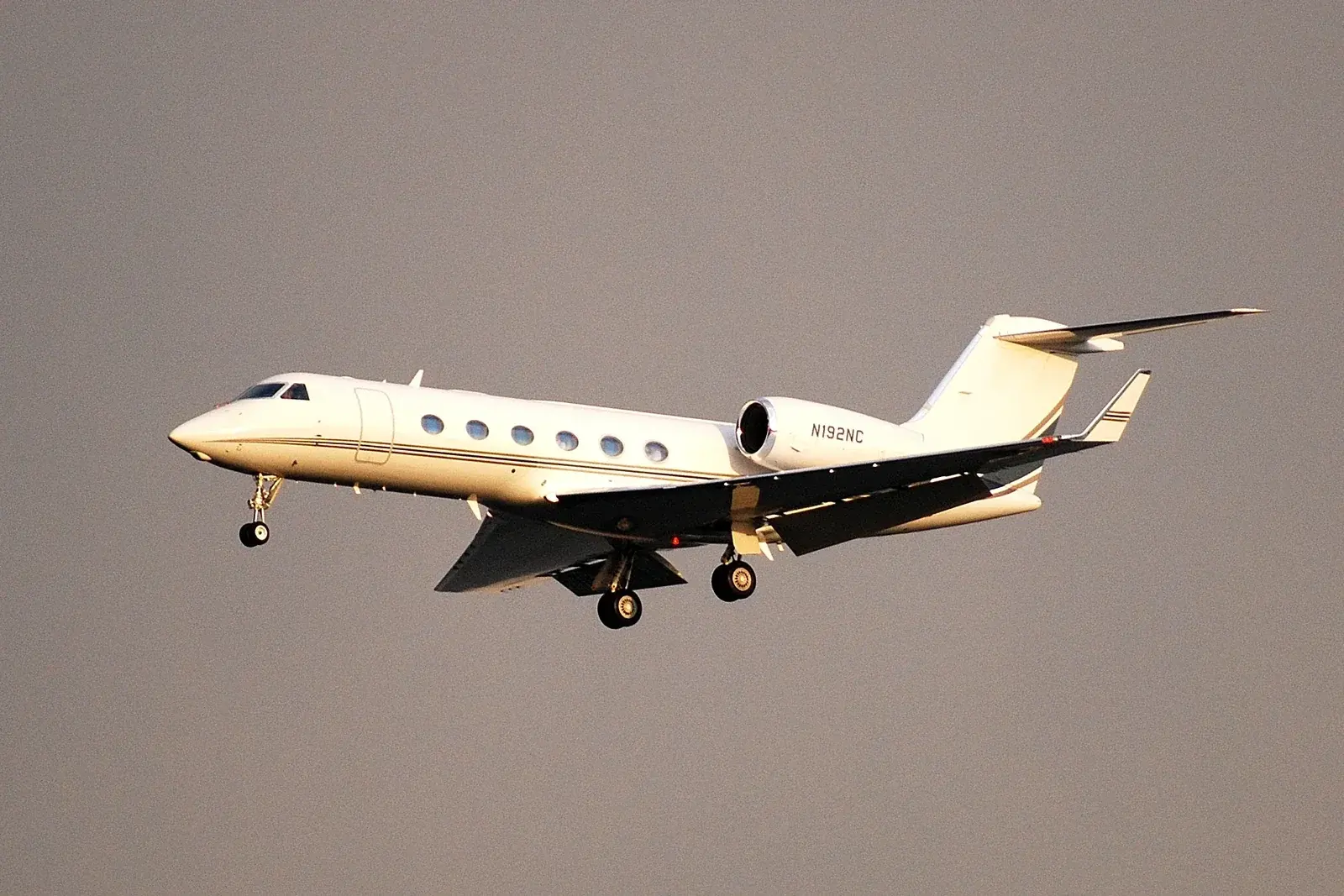
Most people entering private aviation start with on-demand charter, and they are right to. Below roughly 100 hours a year, charter beats jet cards, fractional shares and ownership on almost every measure that matters. It is also the segment where the pricing is least transparent, the intermediaries are least understood, and the gap between a good quote and a bad one is widest.
This is a guide to reading that quote.
Broker or operator: the distinction that governs everything
There are two kinds of company that will sell you a flight, and confusing them is the single most common expensive mistake.
An operator holds the Air Operator Certificate, employs the crew and controls the aircraft. Book directly with one and you are dealing with the party that actually flies you. The catch is inventory: an operator sells you its own fleet, from its own bases, whether or not that is the right aircraft for your route.
A broker holds no aircraft. It quotes across a network of operators and takes a margin on the booking. The catch is quality control: a broker's value rests entirely on how rigorously it vets the operators it sells, and that varies enormously.
Neither model is inherently better. What matters is that you know which you are talking to. If a company quotes you three different aircraft types from three different bases within an hour, you are talking to a broker. If it insists on one tail number, you are talking to an operator.
What a real quote contains
A charter quote that shows one number is not a quote — it is an opening position. A complete quote should itemise:
| Line item | Why it moves the price |
|---|---|
| Aircraft type and tail | Cabin size, range, and age vary hugely within a "midsize" label |
| Positioning / ferry legs | Flying the aircraft empty to reach you, and home again — often the largest hidden cost |
| Landing and handling fees | Airport-specific; a nearby alternate can cut this materially |
| Crew duty and overnight | Long days or overnights trigger a second crew or hotel costs |
| Catering | Frequently excluded from headline pricing |
| De-icing | Seasonal, unpredictable, and rarely quoted in advance |
| Taxes and VAT | Treatment differs by jurisdiction and passenger status |
The positioning legs are where most of the variance lives. An aircraft based near your departure point will quote far better than an identical aircraft two countries away, and the headline "hourly rate" tells you nothing about which you are being offered.
Empty legs: real savings, real constraints
When an aircraft has to reposition — flying home after a drop-off, or out to collect a client — that leg would otherwise fly empty. Selling it discounted is better than flying it for nothing, which is why empty legs are cheap.
The savings are genuine. The constraints are equally genuine, and they are the reason empty legs are not simply "private jets on sale":
- The route is fixed. You take the origin and destination the repositioning requires, not the ones you want.
- The timing is fixed and fragile. Empty legs exist because of somebody else's booking. If that booking moves or cancels, your flight moves or vanishes with it.
- They appear and disappear quickly. Useful inventory is often listed days, not weeks, ahead.
Empty legs suit travellers with flexible dates and a tolerance for cancellation. They are a poor fit for anything time-critical. Treat a booked empty leg as probable rather than certain, and keep a fallback.
Where to actually look
Villiers is a reasonable worked example of the broker model. It quotes across an operator network rather than holding its own fleet — by its own account, access to over 10,000 aircraft — and it surfaces empty-leg inventory directly rather than burying it behind an enquiry form. For someone flying under 100 hours a year and comparing options rather than committing to a programme, that combination is the useful one: broad quoting plus visible empty-leg availability.
As an illustration of the order of magnitude involved, Villiers puts a London–Nice charter in the region of £8,000–£14,000 depending on aircraft and timing. That is a range, not a price, and the spread is exactly the point — the same route on the same day can differ by thousands depending on what is already positioned nearby.
Whatever route you use, ask for the operator's name before you pay. A broker unwilling to disclose which operator will fly you is telling you something.
Red flags
- A single number with no breakdown. You cannot compare quotes that are not itemised.
- Refusal to name the operator. The AOC holder is not confidential information.
- Pressure on an empty leg. Genuine empty-leg inventory sells itself; urgency scripts are a sales technique.
- "All-in" pricing that excludes de-icing. In winter, in northern Europe, this is not a rounding error.
- No written cancellation terms. Charter cancellation policies are severe and vary by operator. Get them before you commit.
The honest summary
On-demand charter is the correct entry point to private aviation for the large majority of people who think they need a jet card. It requires no capital commitment, no hours purchase and no multi-year contract, and at low annual hours it is simply cheaper.
What it costs you instead is consistency. You are assembling a series of one-off relationships rather than buying into a single standard, and the quality of those relationships depends on the rigour of whoever is brokering them. Read the quote, name the operator, and price the positioning legs. That is most of the job.
Related reading: private jet membership versus on-demand charter compared, how empty leg flights cut the cost of flying private and private jet versus first class, honestly costed.
Continue Reading
Continue in this collection



Found this useful? Explore more in the Journal.
BACK TO JOURNAL