How to Build a Men's Grooming Kit From Scratch (2026)
Last updated: 16 October 2026
Researched and drafted with AI assistance; reviewed, fact-checked and approved by Thomas Lovas Lokoy. Editorial policy
Disclosure: this page contains affiliate links. If you sign up through them we may earn a commission, at no extra cost to you. It does not change what we write.
A complete men's grooming kit needs fewer products than the shelves suggest: a mild cleanser, a moisturiser and a broad-spectrum sunscreen of SPF 30 or higher form the core; beard oil, a balm and a brush come next if you have facial hair; then a good razor and shaving cream, one fragrance, and a travel set of 100 ml containers. Build it over a week in the order below, write the opening date on each product, check the period-after-opening symbol, and review everything after 30 days. The advice on skin, sunscreen and shaving follows the American Academy of Dermatology's guidance for men.
Step 1: Assess Your Skin and Beard Type
Every good grooming kit starts with self-knowledge. Before spending anything, understand what you are working with; skipping this step is how bathroom drawers fill with products that never get used.
The American Academy of Dermatology describes five skin types: sensitive (skin that may sting or burn after using products), normal, dry, oily and combination. A simple test: wash your face with lukewarm water only and wait an hour. If your forehead and nose feel slick, you are probably oily; if your cheeks feel tight or flaky, you lean dry; most men are somewhere in between. Two labelling rules follow. If you are prone to spots, choose products marked non-comedogenic. If your skin is sensitive, choose fragrance-free, because products marked "unscented" can still contain masking fragrances.
For your beard, note whether the hair grows evenly or in patches, coarse or fine. That decides whether you need a lighter oil or a balm with some hold.
📸 What to look for: redness along the jawline or cheeks after shaving. It suggests reactive skin, so choose fragrance-free products throughout the kit.
Step 2: Start With the Non-Negotiables
Three products form the backbone of every routine, whatever your age or style. A mild cleanser removes oil and sweat without stripping the skin; the AAD advises washing your face daily and after exercise, using a mild cleanser and lukewarm rather than hot water, because bar soap can be harsh and drying. A moisturiser keeps the skin comfortable; the AAD's tip is to apply it immediately after washing, showering or shaving, while the skin is still damp. And sunscreen protects against sun damage and skin cancer: the AAD recommends a broad-spectrum, water-resistant sunscreen with SPF 30 or higher on exposed skin, reapplied every two hours outdoors or straight after swimming or sweating.
Price matters less than you think for cleansers; a well-formulated affordable one does the job. Spend a little more where texture decides whether you will actually use the product every day, which is usually the moisturiser and the sunscreen. Apply sunscreen every morning, even in a northern winter.
Step 3: Add Beard Care if Applicable
If you keep any facial hair, from stubble to a full beard, beard care is part of the kit. A beard oil softens the hair and moisturises the skin underneath, which helps with the itch and flaking that make many men give up; a balm adds some hold for shaping once the beard is longer; and a brush distributes the product and trains the hair. Viking Beard sells Scandinavian beard oils and balms if you want a starting point.
📸 What to look for: an oil that sinks into the beard and skin rather than sitting on top. If your beard looks greasy an hour later, use fewer drops or a lighter oil.
Step 4: Get the Shave Right
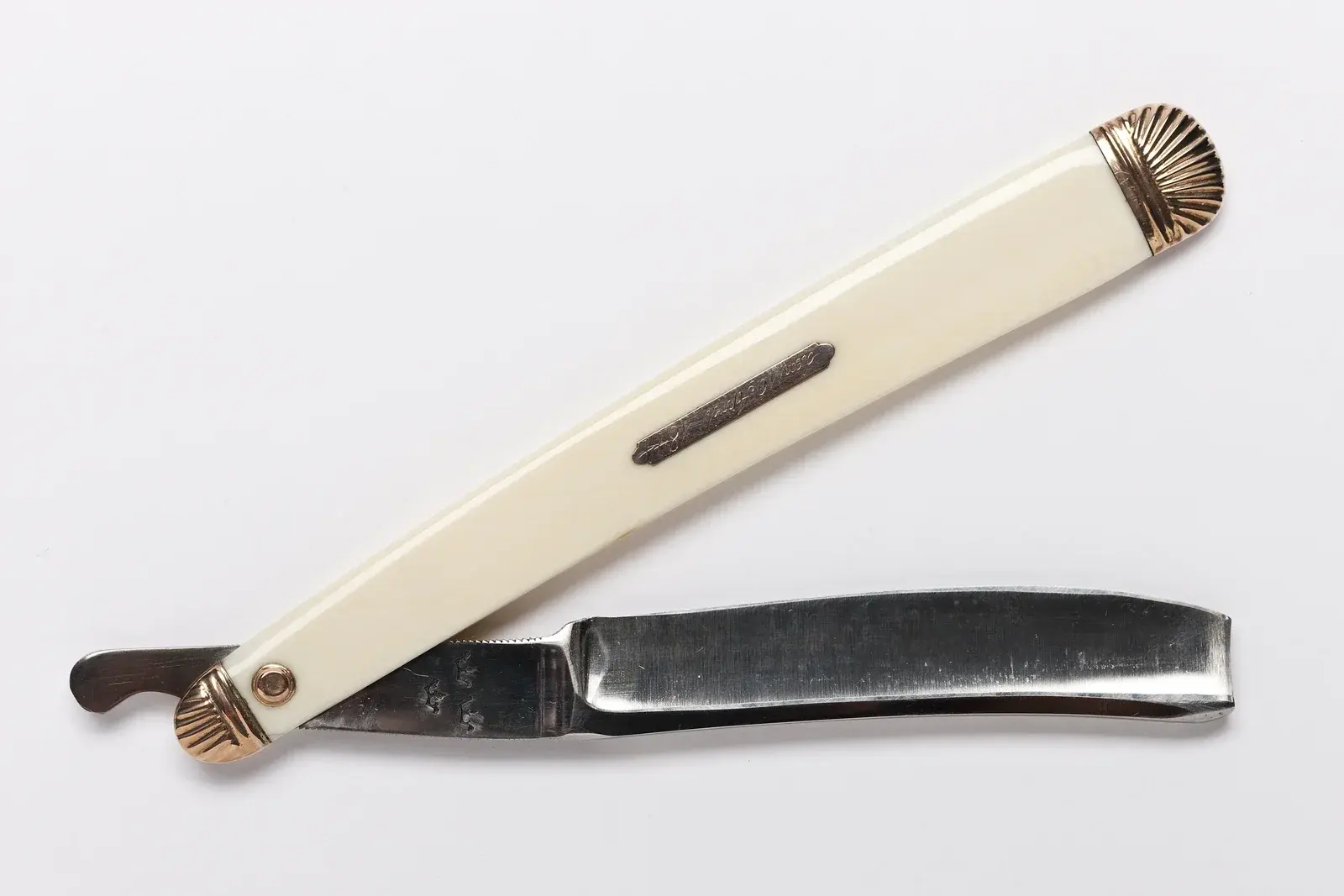
Shaving is where many men's skin problems start, so the razor and cream deserve as much thought as the creams. The AAD's advice: soften the skin and hair before you shave, use a moisturising shaving cream, shave in the direction of hair growth, do not stretch the skin taut, and change your blade after five to seven shaves. If you get razor bumps, razor burn or ingrown hairs, try a single- or double-blade razor. Rinse, then moisturise straight away.
Step 5: Choose a Signature Scent
Fragrance is the most personal part of the kit. Test no more than three scents at a time, on skin rather than paper, and live with each for a few hours before deciding, because the opening notes are rarely what people notice later in the day. For a Nordic profile, woody and amber scents with a fresh opening are versatile enough for work and evenings. One bottle you love is better than five you tolerate.
Step 6: Organise Your Kit for Home and Travel
Keep a home station arranged in the order you use things: cleanser, treatment, moisturiser, sunscreen, beard care, fragrance. Then build a travel set that stays packed. At most UK airports, liquids in hand luggage must be in containers of 100 ml or less, so refillable travel bottles of that size are the practical choice; when a product runs low at home, refill the travel bottle first. A flat wash bag with a water-resistant lining slides into the top of a carry-on.
📸 What to look for: a wash bag with separate compartments and a wipe-clean lining. Leather looks good with age but needs occasional conditioning.
Step 7: Replace Products on a Schedule
Grooming products do not last for ever, and expired products can irritate the skin or simply stop working. Two labels help. In the EU and UK, products with a minimum durability of more than 30 months carry a period-after-opening symbol, an open jar with a number of months beside it, which tells you how long the product stays good once opened. And for sunscreen, the US Food and Drug Administration advises discarding expired products and treating a sunscreen with no expiry date as expired three years after purchase.
A simple system: write the opening date on each product, set a reminder every three months to check the kit, and throw away anything that has changed colour, texture or smell. For a weekly wind-down, a mineral bath soak such as Coach Soak is a pleasant addition, but it is a ritual rather than a treatment.
Step 8: Review and Refine After 30 Days
After a month of consistent use, look honestly at every product. If the cleanser leaves your skin tight, switch to something gentler. If the beard oil feels heavy, use less or try a lighter one. If the moisturiser pills under your sunscreen, look for a lighter formula. Your skin changes with the seasons, so expect your kit to change with it.
Frequently Asked Questions
What should a basic men's grooming kit include?
A mild cleanser, a moisturiser and a broad-spectrum, water-resistant sunscreen of SPF 30 or more; beard oil, balm and a brush if you have facial hair; a razor with a moisturising shaving cream; one fragrance; and a set of 100 ml travel bottles.
How often should I change my razor blade?
The American Academy of Dermatology suggests changing your blade after five to seven shaves. If you get razor bumps or ingrown hairs, try a single- or double-blade razor and always shave in the direction of hair growth.
Can I use bar soap on my face?
It is better not to. The American Academy of Dermatology notes that bar soap can be harsh and drying and recommends a mild cleanser with lukewarm water.
How long do grooming products last once opened?
Check the period-after-opening symbol, an open jar with a number of months, required in the EU and UK on products with a durability of more than 30 months. For sunscreen, the FDA advises treating a product with no expiry date as expired three years after purchase.
Products & Partners We Recommend
Continue in this collection


Found this useful? Explore more tutorials.
ALL TUTORIALS