Buying Ultra-Luxury Real Estate: A Guide for First-Time UHNW Buyers
Last updated: 30 September 2026
Researched and drafted with AI assistance; reviewed, fact-checked and approved by Thomas Lovas Lokoy. Editorial policy
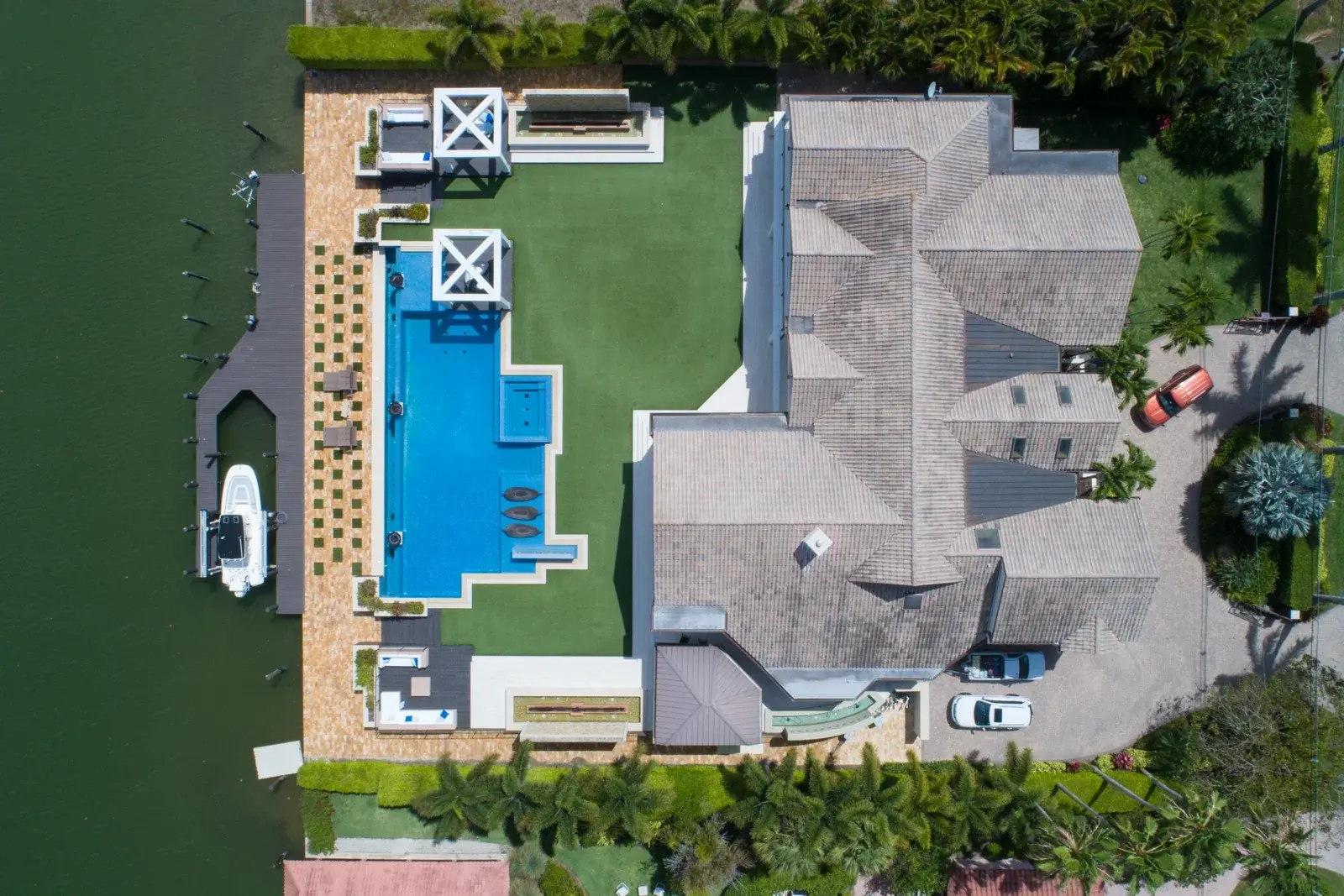
The ultra-luxury property market — broadly defined as properties above USD 10 million — operates by different rules than the broader residential market. Listings are frequently off-market. Prices are negotiated differently. The legal structures are more complex. And the mistakes are proportionally more expensive.
This guide is written for buyers approaching this market for the first time with serious capital.
The Off-Market Reality
At the ultra-luxury level, the majority of the most desirable properties never appear on public listing portals. They are transacted through private networks — estate agents with established relationships, private banks that match sellers with clients, and direct introductions between owners.
This means that searching Rightmove or even Savills' public listings gives you an incomplete picture of what is available. Accessing the real market requires relationships. The practical implication: engage your estate agent before you are actively ready to buy, and be explicit about your criteria. Agents bring their best off-market opportunities to clients they know are serious.
Knight Frank, Savills, Christie's International Real Estate, and Sotheby's International Realty are the four dominant global brokers in this segment. Each has genuine off-market inventory that the others don't. Engaging multiple brokers simultaneously is standard practice — unlike the mid-market, there is no exclusivity convention that prevents this.
Structuring the Purchase
Ultra-luxury property is rarely purchased in personal name. The reasons are tax efficiency, asset protection, and privacy.
Common structures include: UK or Jersey Special Purpose Vehicles (SPVs) for UK property; Cayman or BVI holding companies for international assets; French SCI structures for French property; and Monaco structures for Riviera acquisitions.
The optimal structure depends on your tax residency, intended holding period, whether you plan to rent the property, and your estate planning objectives. A structure that saves stamp duty or capital gains tax on purchase can create complications on sale a decade later if circumstances change.
Never finalise a purchase structure without independent tax advice from a lawyer qualified in both your country of residence and the property's jurisdiction. This is not optional at this price level.
Due Diligence at Scale
Due diligence for a USD 20 million property purchase must be proportionally more thorough than for a USD 500,000 apartment.
Commission an independent structural survey from a firm unconnected to either party. For historic properties or those with complex systems (smart home technology, pools, wine cellars, generators), engage specialist consultants for each system.
Review planning history in detail. At the luxury level, properties frequently have extensions, conversions, or outbuildings with complex planning consent histories. Unpermitted works can become your problem on acquisition.
For properties in jurisdictions with land registry systems, commission a full title search. For those without (some Caribbean jurisdictions), title insurance is essential.
Investigate the neighbourhood carefully. A USD 15 million villa surrounded by development plans or subject to new aviation flight paths is worth materially less than it appears.
Negotiation at the Top End
Price negotiation behaves differently above USD 10 million. Sellers of ultra-luxury property are rarely under financial pressure — they do not need to sell. This shifts negotiating dynamics significantly.
Aggressive low offers are frequently counterproductive, signalling to the seller that you are not a serious buyer or don't understand the market. More effective is demonstrating seriousness — proof of funds, willingness to move on timeline, and minimal conditions — while negotiating on price through a trusted intermediary.
The most reliable negotiating leverage is identifying genuine weaknesses in the property or market conditions — not perceived ones. A property that has been listed for 18 months, an owner relocating under time pressure, or a motivated seller in a tax-driven end-of-year transaction all create genuine leverage.
Currency Risk
For international purchases, currency fluctuation between offer and completion can materially affect the effective cost. A 5% move in EUR/USD on a EUR 20 million property is EUR 1 million.
Forward contracts from your private bank or a currency specialist (Moneycorp, OFX at institutional level) can lock in exchange rates from exchange of contracts through to completion. The cost of a forward contract is typically negligible relative to the risk it eliminates.
For the smaller, more frequent transfers that surround a purchase — deposits, staff payroll, ongoing property costs in a second currency — a multi-currency account such as Airwallex is worth setting up alongside the forward contract to keep day-to-day FX costs down.
The Lifestyle Assessment
Before committing to an ultra-luxury property purchase, answer these questions honestly:
How many weeks per year will you actually use this property? Ultra-high-maintenance properties used fewer than four weeks annually rarely justify the carrying costs — staff, maintenance, insurance, and financing — relative to charter alternatives.
Does the property serve your actual lifestyle or an aspirational lifestyle? A ski chalet that requires helicopter access is extraordinary for committed skiers and a logistical burden for everyone else.
What is the exit market? The number of buyers for a USD 30 million property in a secondary location is small. Luxury property in the top global markets — London, Monaco, New York, Geneva, Côte d'Azur — retains liquidity. Tier two locations carry meaningful liquidity risk.
Our View
The best ultra-luxury property purchases are made by buyers who are clear on their use case, patient about timing, properly advised on structure and tax, and willing to wait for the right asset rather than buying the best available at a given moment. The worst are made under social or family pressure, on compressed timelines, in unfamiliar jurisdictions, without independent advice.
The property will be extraordinary. Make sure the process around it is too.
Related reading: the ten due diligence steps UHNW buyers use, buying and renting ultra-luxury ski chalets and what to look for in wealth management.
Continue Reading
Continue in this collection



Found this useful? Explore more in the Journal.
BACK TO JOURNAL