Pre-Owned Luxury: Where to Buy and How Not to Get Burned
Last updated: 16 October 2026
Researched and drafted with AI assistance; reviewed, fact-checked and approved by Thomas Lovas Lokoy. Editorial policy
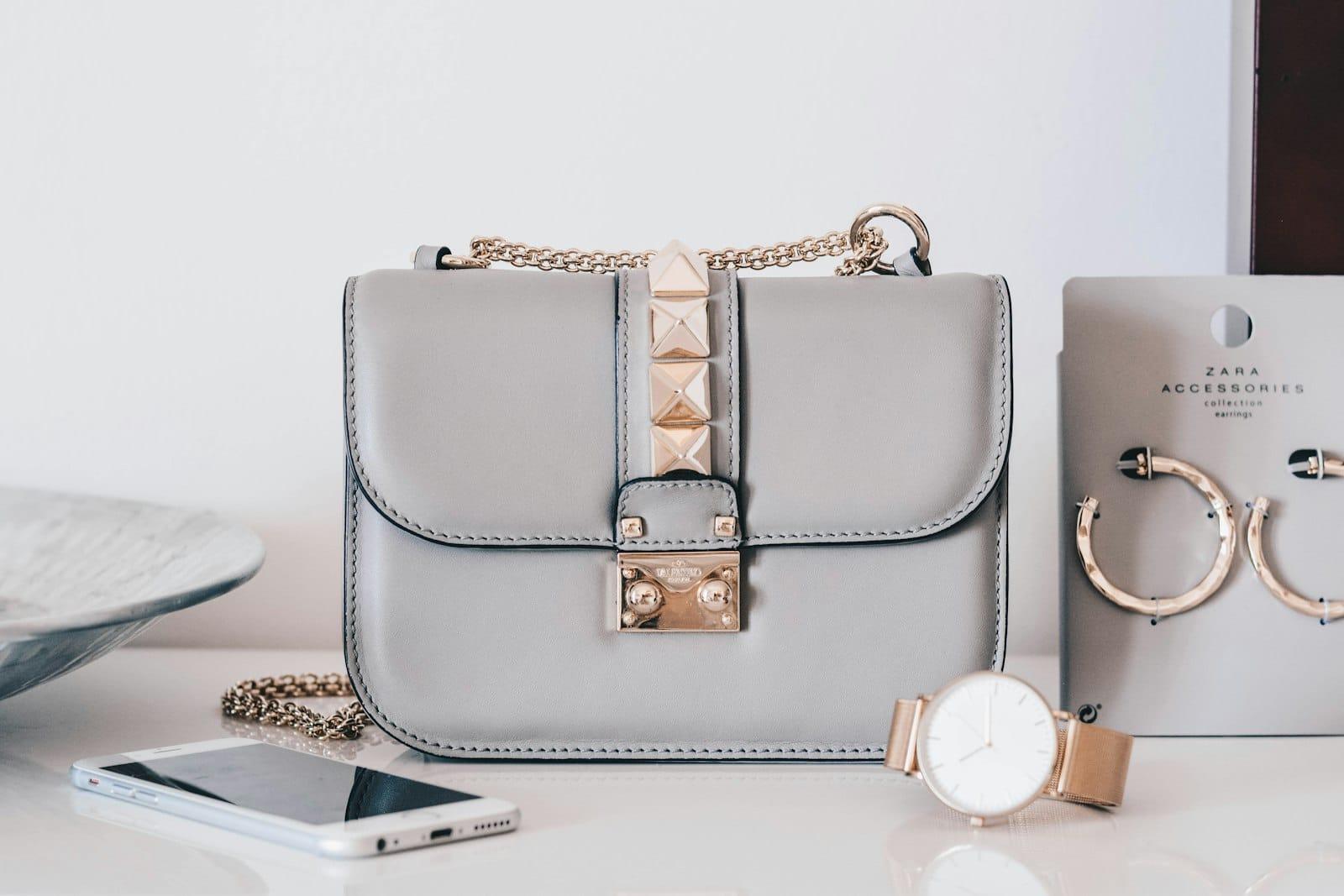
The safest places to buy pre-owned luxury are platforms and dealers that physically authenticate items with in-house specialists, publish a written condition grade with photographs, and give you a returns window that starts on delivery: think Vestiaire Collective (choosing its authentication option), Fashionphile, specialist resellers such as The Luxury Closet, and, for Rolex, the brand's own Certified Pre-Owned programme at official retailers. The market is large and established, worth an estimated €45 billion in 2023 according to Bain & Company, about 12% of the value of new luxury goods. Below: how each type of platform works, what holds value, the risks (superfakes above all), your consumer rights, and a checklist to use before you pay.
Provenance is the new provenance, and your grandmother's 1974 Kelly is finally getting the appreciation, and the price, it deserves.
There was a time when "second-hand" carried a faint scent of mothballs and desperation; being seen entering a consignment shop suggested a vineyard blight or a bruising divorce. Today "pre-owned" has been rebranded as "circular" and "used" as "archival", and a collector is more likely to boast about a 1990s Tom Ford-era Gucci piece found online than about this season's boutique purchase. The thrill of the hunt has moved from the velvet rope to the refresh button.
How big the market is
Bain & Company's January report put the global second-hand luxury market at €45 billion in 2023, equivalent to about 12% of the value of the new luxury goods market, up from 7–9% in 2020. Growth slowed to roughly 4–6% in 2023, and Europe, just ahead of the United States, accounts for about 45–50% of sales. Resale is no longer a niche; it is a parallel market with its own pricing, logistics and risks.
How the platforms work
Not all resale is the same. Knowing the model tells you who stands behind the item.
| Model | Example | Who you buy from | What to check |
|---|---|---|---|
| Marketplace with optional authentication | Vestiaire Collective (founded in 2009, Paris-based) | Individual sellers, via the platform | Choose the physical-authentication option; Vestiaire lets buyers pick authentication at one of its international centres or direct shipping |
| Dealer buying or consigning stock | Fashionphile (founded by Sarah Davis in 1999) | The company | Its authentication process; condition grading; returns |
| Specialist reseller with in-house team | The Luxury Closet | The company | Its experts check hallmarks, hardware and stitching, and look for alterations such as replaced stones or batteries |
| Brand-certified pre-owned | Rolex Certified Pre-Owned | Official Rolex retailers | Rolex checks authenticity and adds a new two-year international guarantee |
| Brand vintage programmes | Gucci Vault | The brand | Price is usually highest; so is certainty |
Two milestones show how mainstream this has become. In 2019 Neiman Marcus took a minority stake in Fashionphile, the first major luxury retailer to invest directly in pre-owned. And on 1 December 2022 Rolex announced its Certified Pre-Owned programme, starting at Bucherer boutiques in six countries, for watches at least three years old, each with a two-year international guarantee. Vestiaire, meanwhile, has positioned itself at the quality end by banning fast-fashion brands: around 30 in 2022, including Shein, Boohoo, PrettyLittleThing and Asos, and more in 2023, including Zara, H&M, Uniqlo and Gap.
What holds value, and what does not
The market splits into two tiers:
- Commodity icons, such as certain Hermès bags and steel sports watches, which behave almost like a secondary currency. Some trade above their boutique price, because the queue at the boutique is long; the premium is the price of skipping it.
- Intellectual luxury, such as Margiela Tabi boots, Phoebe Philo-era Céline or rare Dries Van Noten prints, which may not appreciate but carries cultural capital among people who know.
Most other pre-owned fashion sells below its original price, which is the point for a buyer. Condition and completeness matter enormously: the same bag with its box, dust bag and receipt is worth noticeably more than without them, so keep everything. For handbag values in detail, see pre-owned luxury handbags and what holds value; for watches, how to buy a pre-owned luxury watch.
Where the stock comes from
Each market has a flavour. Paris-based sellers are strong on vintage Chanel and Hermès. American dealers lean towards recognisable statement pieces. Japan's resale market has a reputation among collectors for careful grading and well-kept stock. In Scandinavia, the mood is quieter: Copenhagen's The Vintage Bar and Sweden's Sellpy cover the curated and the mid-market respectively, with more emphasis on silhouette than logo.
The perils of the hunt
Superfakes. High-fidelity replicas made with similar leathers and hardware can fool casual buyers and sometimes professionals. This is why the "where" matters more than the "what". Buying a Birkin from an unverified seller on social media is not a deal; it is an expensive lesson.
Resale inflation. For the most-wanted items, secondary prices can sit well above retail. Decide whether immediate ownership is worth the premium.
Peer-to-peer gaps. On marketplaces, you may be buying from a private individual. Consumer protections that apply to businesses may not apply to private sellers, so the platform's own guarantee and returns policy matter more.
Your rights when buying online
In the UK, when you buy online or at a distance from a business, you can generally cancel up to 14 days after delivery without giving a reason, and up to 12 months if the business never told you about that right. Purchases from private individuals are different, and rules vary by country, so read the platform's returns page before you pay: who the seller legally is, when the return clock starts, who pays return shipping, and whether the authenticity guarantee is refundable if an item fails inspection.
A buyer's checklist
- Physical authentication by named, in-house specialists, not a seller's word or a few photos.
- A written condition grade with photographs of corners, handles, hardware and interior.
- A returns window that starts on delivery, and a refund if the item is not authentic.
- Provenance: box, dust bag, receipt, service papers for watches.
- Price sanity: compare several platforms; a price far below the market is a warning, not a gift.
- Ask one direct question: does a trained specialist handle the item, and is the guarantee refundable if it fails? A good platform answers in one line.
If you want a starting point for authenticated leather goods and watches, The Luxury Closet lists pre-owned Hermès alongside other houses, and its in-house team describes checking hallmarks, hardware and stitching before items go on sale; the same checklist applies.
The ethics of the second act
Buying pre-owned is the simplest answer to the "luxury paradox": enjoying fine things without new production. Buying a well-made piece that already exists makes you a custodian rather than just a consumer. There is an aesthetic argument too: a bag with a little patina and a history has more character than one fresh from the box.
The takeaway
- Authentication is non-negotiable. No physical inspection, no purchase.
- Condition and completeness drive value. Never throw away the box.
- Discontinued icons and departed designers' eras become collectible categories.
- Brand-certified programmes cost more but remove most of the risk.
- Buy the item, not the logo. A well-made coat from a great collection is eternal.
Related reading: designer fashion on a budget, investment pieces for 2026, the 2026 quiet luxury reset and a brief history of haute couture.
Frequently asked questions
Where is the safest place to buy pre-owned luxury?
From a platform or dealer that physically authenticates items with in-house specialists, grades condition in writing with photographs, and offers a refundable guarantee and a returns window starting on delivery. Brand-certified programmes, such as Rolex Certified Pre-Owned at official retailers, remove most of the risk at a higher price.
Does Vestiaire Collective authenticate everything?
Buyers can choose physical authentication at one of Vestiaire's international authentication centres or direct shipping from the seller, so choose the authentication option for anything valuable.
Is pre-owned luxury a good investment?
A few icons hold or exceed their retail price, mainly certain Hermès bags and sought-after watches, but most pre-owned fashion sells below its original price. Treat it as a way to buy better quality for less, with resale value as a bonus.
How big is the second-hand luxury market?
Bain & Company estimated it at €45 billion in 2023, about 12% of the value of the new luxury goods market, with Europe accounting for roughly 45–50% of sales.
Sources
- luxurytribune.com/en/luxury-and-second-hand-the-new-priorities-of-consumers-p…
- en.wikipedia.org/wiki/Vestiaire_Collective
- fashionunited.uk/news/business/vestiaire-collective-cuts-out-h-m-zara-and-mor…
- en.wikipedia.org/wiki/Fashionphile
- senatus.net/article/rolex-pre-owned-certified-programme-guarantee
- theluxurycloset.com/authenticity
- gov.uk/online-and-distance-selling-for-businesses/distance-selling
Continue Reading
Continue in this collection


Found this useful? Explore more in the Journal.
BACK TO JOURNAL