The History of Gift-Giving: From Tribute to Tiffany Blue Boxes
Last updated: 16 October 2026
Researched and drafted with AI assistance; reviewed, fact-checked and approved by Thomas Lovas Lokoy. Editorial policy
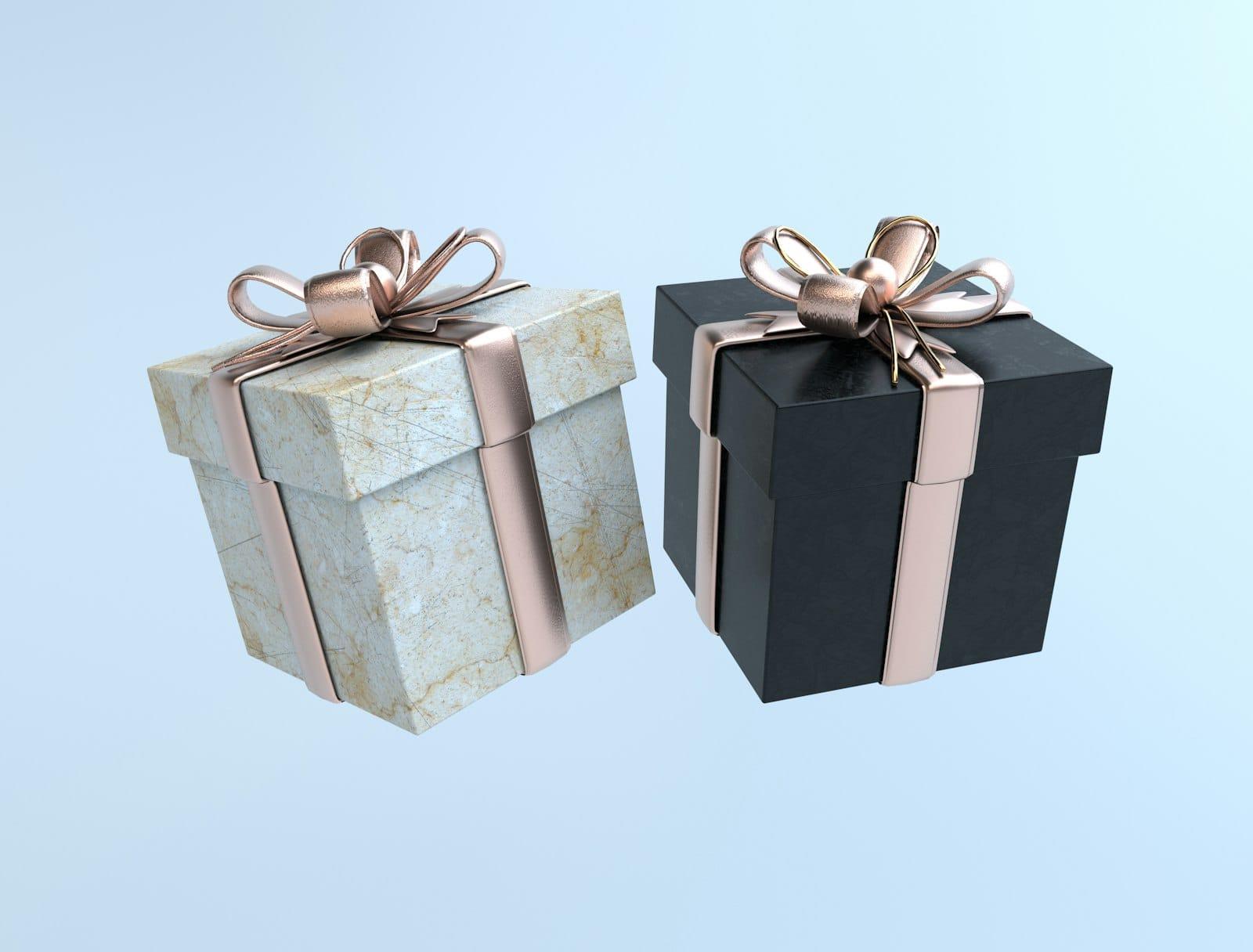
The history of gift-giving, in brief: gifts began as tribute and alliance-building, became a sacred obligation of hospitality in ancient Greece, turned into a luxury trade in holy relics in the Middle Ages, were domesticated and commercialised by the Victorians (the first commercial Christmas card appeared in 1843), and were finally branded in the twentieth century, when packaging such as Tiffany's blue box became as desirable as its contents. Underneath it all runs the insight the anthropologist Marcel Mauss set out in his 1925 essay The Gift: giving creates obligations, to receive and above all to reciprocate. Here is the story, a timeline, and what it teaches about giving well today.
A chronicle of the human impulse to trade peace for objects, and the eventual rise of the ribboned box.
The gift is, at heart, a transaction of power dressed as affection. To give is to assert oneself; to receive is to incur a debt of gratitude that, from the Medici courts to modern Mayfair, has remained a stable currency. We are told it is the thought that counts, usually by someone handing over uninspired socks. History suggests the thought matters less than the spectacle, the provenance and the weight of the box.
Why gifts bind: Mauss and the obligation to return
In 1925 the French anthropologist Marcel Mauss published Essai sur le don, translated as The Gift. Studying exchange in societies around the world, he argued that gift systems rest on three obligations: to give, to receive and, most importantly, to reciprocate, and that exchanging objects builds relationships between people and groups. That is why an extravagant present can feel like a burden, why we keep mental ledgers of who gave what, and why the most gracious gifts are those that leave the recipient feeling honoured rather than indebted.
Tribute, alliance and guest-friendship
In the beginning, gifts were about survival and power. Early rulers exchanged goods to secure alliances, and tribute flowed upwards to whoever could demand it. Ancient Egypt's expeditions to the Land of Punt brought back incense, ebony and other luxuries, prized precisely because the source was so remote that it became the stuff of legend.
The Greeks added the idea of xenia, guest-friendship: a sacred obligation of hospitality between host and guest, sealed with gifts. In an age when travel was dangerous, the exchange of gifts was a kind of passport. Homer's Odyssey is full of it, a long tour of Mediterranean hospitality punctuated by gold bowls and silver tripods. The lesson survives: never arrive empty-handed.
The Middle Ages: relics and real estate
By the Middle Ages the stakes had shifted from survival to salvation, and the ultimate luxury was a holy relic. The most famous purchase of all was made by Louis IX of France, who in 1239 bought the reputed Crown of Thorns from Baldwin II, the Latin emperor at Constantinople, for 135,000 livres. To house it he built the Sainte-Chapelle in Paris, which cost 40,000 livres to build and glaze, so the gift cost more than three times the building made to display it.
In the Renaissance, the gift became a tool of diplomacy and social climbing. Families such as the Medici in Florence understood that commissioning and presenting art could buy influence more reliably than an army; receiving a gift from them meant being drawn into their orbit and their story.
The Victorians invent the "proper" gift
Our modern, slightly anxious approach to presents owes a great deal to the nineteenth century, when Christmas was reshaped into a domestic, child-centred festival.
The Christmas card was born in this period. In 1843, Sir Henry Cole commissioned the artist John Callcott Horsley to design the first commercially produced card: a family raising a toast to the recipient, flanked by scenes of charity. Two batches totalling 2,050 cards were printed and sold that year for a shilling each, and the image of a family drinking wine was reportedly controversial. Affection could now be outsourced to a printing press.
The same era created the department store. Harrods opened in Knightsbridge in 1849, and Aristide Boucicaut remade Le Bon Marché in Paris from 1852. A gift no longer had to be commissioned from a goldsmith; it could be chosen from a grand emporium, wrapped in decorative paper and ribbon that added suspense and hid the price until the last moment.
The rise of the brand: Tiffany's blue box
If the Victorians invented the commercial gift, the twentieth century invented the brand, and packaging began to matter as much as its contents.
Charles Lewis Tiffany opened a "stationery and fancy goods emporium" in New York in 1837, and in 1845 published the first Tiffany mail-order catalogue, the "Blue Book". The box became legendary because it could not be bought. In 1906 the New York Sun reported that the firm's rule was "ironclad": a box bearing its name could leave the building only with an article the company had sold. That turned a container into a status symbol; a glimpse of the blue box tells the recipient a great deal before it is opened. Hermès's orange boxes and Cartier's red cases play the same game.
After the war, luxury leather goods, from monogrammed luggage to named handbags, became shorthand for a life of effortless travel, and a gift became a way of conferring a lifestyle as well as an object.
The modern era: experiences, ethics and abundance
For people who can buy anything, a physical gift can feel like a burden, so the emphasis has shifted to experiences, rarity and meaning. The surreal end of the market shows how far rarity can be pushed: in 2018 The Macallan released a 72-year-old whisky in a Lalique decanter at US$60,000 a bottle, limited to 600 decanters. The more thoughtful end is the "tribute" reinvented as philanthropy: a gift in someone's name to a cause they care about.
A timeline in one table
| Period | Gift culture | Example |
|---|---|---|
| Ancient Near East and Egypt | Tribute and alliance | Expeditions to the Land of Punt for incense and ebony |
| Ancient Greece | Xenia, guest-friendship | Gifts between host and guest in the Odyssey |
| 1239 | Relics as the ultimate luxury | Louis IX buys the Crown of Thorns for 135,000 livres |
| Renaissance | Gifts as diplomacy | Medici patronage and presentation of art |
| 1843 | The commercial Christmas card | Henry Cole's card, 2,050 printed, a shilling each |
| 1849–1852 | The department store | Harrods; Le Bon Marché under Boucicaut |
| 1837–1906 | The branded box | Tiffany's Blue Book (1845); the box that cannot be bought (1906) |
| 1925 | The theory | Marcel Mauss, The Gift |
| Today | Experiences, rarity, philanthropy | Limited releases; gifts in someone's name |
The psychology of the well-executed gift
Why do we still bother? Because the gift remains a delightfully inefficient way to communicate. It says: I have observed you, interpreted your desires and spent my resources to satisfy them.
The best gifts add ceremony to something the recipient already does. A vintage champagne sabre for a serious wine collector is unnecessary, and that is the point: it turns an ordinary evening into something slightly cinematic. The "inside gift" works too: a first edition of P. G. Wodehouse for someone who quotes Jeeves, fine stationery for a friend who famously never answers email. These linger long after the chocolates have gone.
What history teaches about giving well
- Provenance over price. A bottle of olive oil from a small grove you visited carries more weight than a pricier generic scarf. Narrative is the real luxury.
- The box matters. Heavy paper, a hand-tied ribbon and a handwritten card win half the battle before the gift is seen.
- Avoid the obligation gift. Mauss explains why gifts create debts; the gracious ones honour rather than oblige.
- Remember xenia. If you are staying in someone's home, bring something that reflects their hospitality: a good bottle (a curated selection from a specialist such as Wine of the Month Club beats an airport purchase) or an out-of-print book.
- Flatter quietly. The best gift makes the recipient feel like the person they imagine themselves to be.
For putting the lessons into practice, see the art of considered gifting, the 2026 gift guide for people who have everything, how to buy for someone who buys their own everything and corporate gifting without the cringe.
Related reading: a gift guide for every awkward price bracket and art as a gift.
Frequently asked questions
Why do people give gifts?
To build and maintain relationships. The anthropologist Marcel Mauss argued in The Gift (1925) that gift exchange rests on three obligations, to give, to receive and to reciprocate, and that exchanging objects creates social bonds, which is why gifts can feel like debts as well as kindnesses.
When was the first Christmas card sent?
The first commercially produced Christmas card was commissioned by Sir Henry Cole and designed by John Callcott Horsley in London in 1843. Two batches totalling 2,050 cards were printed and sold for a shilling each.
Why is the Tiffany box blue, and can you buy one?
Tiffany's signature blue has been associated with the company since its first "Blue Book" catalogue of 1845. In 1906 the New York Sun reported the firm's "ironclad" rule that a box bearing its name could leave the store only with an item it had sold, which is what made the box a status symbol.
What was the most expensive gift in history?
One famous candidate is Louis IX's purchase of the reputed Crown of Thorns in 1239 for 135,000 livres, more than three times the 40,000 livres it cost to build and glaze the Sainte-Chapelle that housed it.
Sources
Continue Reading
Continue in this collection



Found this useful? Explore more in the Journal.
BACK TO JOURNAL