The Grand Tour Reinvented: A Two-Week Itinerary Through Old Europe
Last updated: 16 October 2026
Researched and drafted with AI assistance; reviewed, fact-checked and approved by Thomas Lovas Lokoy. Editorial policy
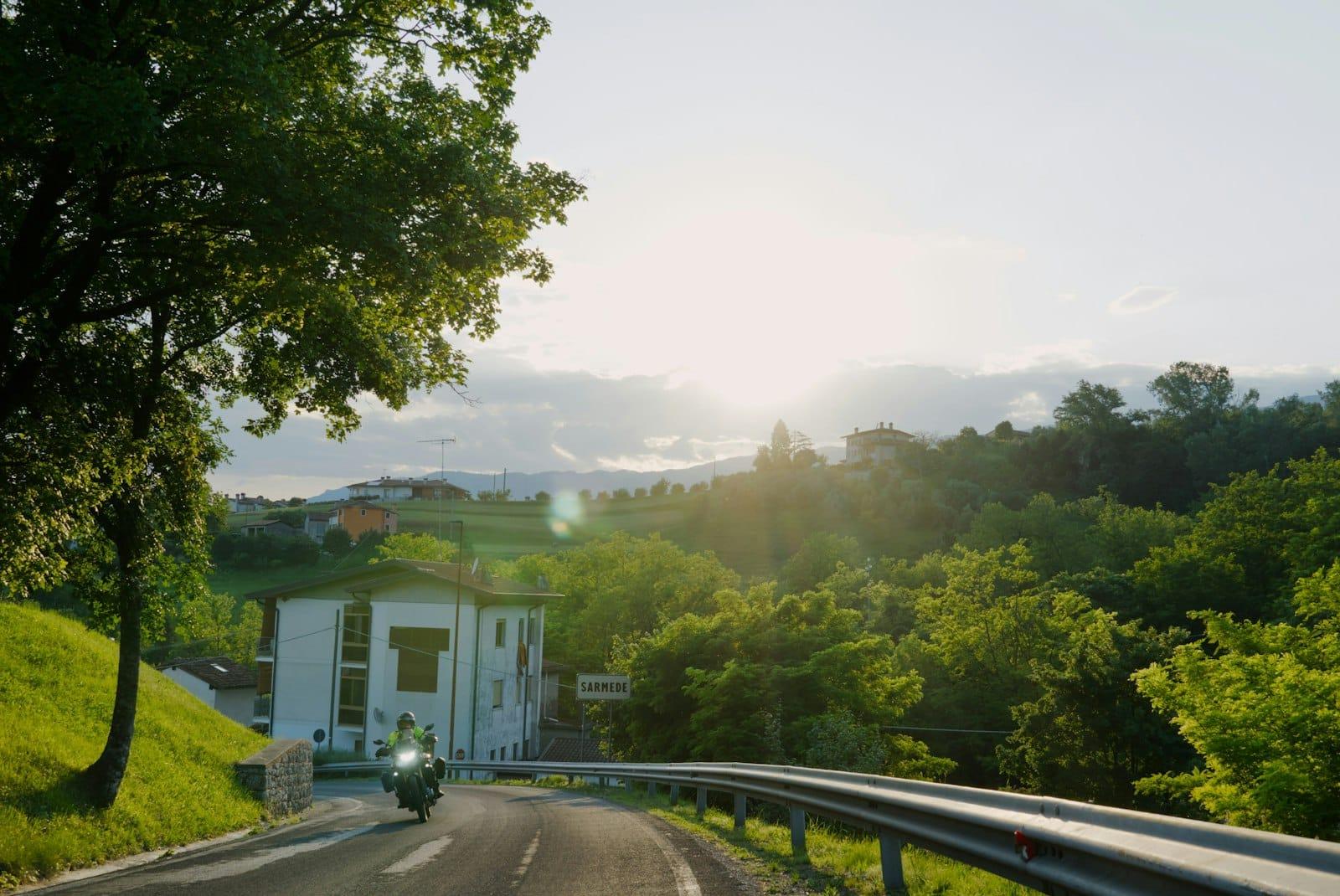
A modern Grand Tour through old Europe works best as about two weeks in May or October, moving slowly from the Swiss Alps to Rome: two or three nights in St Moritz, a drive over the Maloja Pass to Lake Como, a few days in Venice staying overnight rather than visiting for the day, a train south to Lucca and the Val d'Orcia in Tuscany, and a finale in Rome, with the option of returning north on the Venice Simplon-Orient-Express. The rules are simple: at least three nights in each base, famous sites booked early or seen privately, the train wherever it beats the plane, and nothing in high summer. Below are the route, where to stay and what to do in each place, the practical details that catch people out (such as Venice's access fee on peak days), and a sample timetable.
Because the eighteenth-century milord had the right idea, even if his plumbing was questionable.
In 1740, a young man of means crossing Europe faced dusty post-chaises, a long-suffering tutor and a real risk of disease. Today the danger is an ill-timed encounter with a cruise-ship excursion in Piazza San Marco. The original Grand Tour was an education in the Renaissance, the Baroque and the Enlightenment; ours has been reduced to frantic weekends in hotels that look like the one we left. To rediscover the continent, adopt the pace of the past with the comforts of the present.
The route at a glance
| Stage | Base | Nights | How you get there | Do not miss |
|---|---|---|---|---|
| 1 | St Moritz, Engadin | 2–3 | Train or car into Switzerland | Clear autumn air and the Engadin lakes |
| 2 | Lake Como (Cernobbio) | 3 | Drive over the Maloja Pass | Lunch on a terrace above the water |
| 3 | Venice | 3–4 | Train | A late-afternoon Peggy Guggenheim visit; Torcello by boat |
| 4 | Lucca | 2 | Train | Walking the city walls |
| 5 | Val d'Orcia | 3 | Car | Montalcino and the cypress roads |
| 6 | Rome | 3–4 | Car or train | An early timed entry at the Galleria Borghese |
| Optional | Venice to Paris | 1 | Venice Simplon-Orient-Express | Dinner on board |
The Alpine prelude: St Moritz to Lake Como
Begin in St Moritz, in early autumn, for the clarity of the Engadin air rather than the skiing; Badrutt's Palace is the classic base. Then drive, do not fly: the descent over the Maloja Pass into Lombardy is one of the great transitions in European geography, from granite severity to lakeside indulgence.
On Lake Como, Villa d'Este at Cernobbio is the historic choice. Built in 1565–70 as a summer residence for Cardinal Tolomeo Gallio, later home to Caroline of Brunswick, the estranged wife of the future George IV, it was converted into a hotel in 1873. Lunch on the terrace, a risotto and a bottle of Piedmontese Barbaresco, is where the modern Grand Tour truly begins.
Venice: a masterclass in avoidance
Venice is a city under siege by its own beauty, and the trick is tactical withdrawal. Stay overnight rather than visiting for the day: on 60 peak days between 3 April and 26 July 2026, day visitors aged 14 and over must pay an access fee between 8.30am and 4pm (€5 if booked at least four days ahead, €10 within three days), while visitors staying overnight in the city's accommodation are exempt. Check the city's official calendar for your dates.
Aman Venice, in the Palazzo Papadopoli on the Grand Canal, opened in 2013 as the first Aman in Italy and has one of the city's rare private gardens. Visit the Peggy Guggenheim Collection late in the day, when the crowds thin. Harry's Bar is crowded, close-packed and expensive, and still worth a drink for the sense of institution over individual.
Then cross the lagoon to Torcello. Hemingway moved to the island in November 1948 and wrote Across the River and into the Trees at the Locanda Cipriani, which still serves long lunches to the few who make the boat trip. The island's Byzantine mosaics are reason enough on their own.
Tuscany inland: Lucca to the Val d'Orcia
Strike south, but consider bypassing Florence unless you have a particular reason to queue for the David. Lucca, enclosed by its Renaissance walls, keeps the twenty-first century at bay; walk the ramparts and buy the local olive oil, which has a peppery finish.
Further south, the Val d'Orcia is the landscape of Renaissance painting: rolling hills and cypress-lined roads. Rosewood Castiglion del Bosco near Montalcino is set on a 2,000-hectare (5,000-acre) estate restored by Massimo and Chiara Ferragamo, who owned it from 2003 until its sale to an international family office in 2022. Spend a morning truffle hunting and an afternoon in the cellar with the estate's Brunello di Montalcino. If you want a guide for the day, booking a local experience in advance through a platform such as Pelago saves negotiating on arrival.
The Roman finale
Rome has seen everything and is entirely unimpressed by you, which is its charm. The Hotel de Russie near Piazza del Popolo, with its terraced garden, is the classic base. Be surgical about culture: book the first timed entry of the day at the Galleria Borghese, ideally with a private guide, and you can stand in front of Bernini's Apollo and Daphne without a wall of phones. For dinner, Pierluigi in Piazza de' Ricci is a confident Roman seafood institution.
Before leaving, visit the Non-Catholic (Protestant) Cemetery, the resting place of Keats and Shelley, beside the Pyramid of Cestius: a quiet, melancholy corner of a loud city and a fitting end to a journey about time.
The logistics of leisure
Rail first. Italy's fast trains connect most of this route comfortably, and for a theatrical return north the Belmond Venice Simplon-Orient-Express runs between Venice and Paris, a three-course dinner rolling through the Alps. It is the travel equivalent of a tailored suit.
Smaller airports. If you must fly, choose the smaller hubs where you can: Lugano rather than Zurich, Ciampino rather than Fiumicino.
Book ahead. Timed entries at the Borghese and the Vatican Museums sell out; the best rooms at small hotels do too. A good travel agent or concierge earns their fee here; see our guide to luxury concierge services and our tutorial on booking luxury travel for less.
Pack for one bag. Two weeks in shoulder season fits a single carry-on if you choose fabrics well; our luxury travel packing list has the itemised version.
Travel lighter on the planet. Taking the train between bases cuts emissions dramatically compared with short flights; the numbers are in sustainable luxury travel.
Reframing the journey
We live in an era of ticking boxes: photograph the Mona Lisa, leave. The reinvented Grand Tour is a protest against that efficiency. It is about staying three days longer in a place because you like the way the light hits a cathedral in the late afternoon, choosing hotels with history rather than hashtags, and transport that offers a view rather than a nap. The ultimate luxury is not gold taps; it is the absence of other people, found in private gardens, early slots and quiet galleries.
- Pace is everything. Fewer than three nights in a city is commuting, not travelling.
- See famous sites early or privately. The difference between a crowded gallery and an early slot is the difference between an ordeal and an epiphany.
- Travel in May or October. The light is softer and the crowds thinner than in July and August.
- Drink the local wine. In the shadow of the vines, life is too short for anything else.
For more ideas, see where the ultra-wealthy are actually going in 2026, the luxury European road trip guide and inside Aman, Rosewood and Six Senses.
Frequently asked questions
How long should a modern Grand Tour of Europe take?
About two weeks for a route from the Swiss Alps through Lake Como, Venice and Tuscany to Rome, allowing at least three nights in most bases. Shorter trips work if you cut stages rather than nights.
What is the best time of year for a Grand Tour?
May or October, when the light is softer and crowds and heat are lower than in July and August. Venice also charges day visitors an access fee on peak days between April and July; staying overnight exempts you.
Do I need to pay the Venice access fee?
Only as a day visitor aged 14 or over on one of the 60 peak days between 3 April and 26 July 2026, between 8.30am and 4pm: €5 if booked at least four days ahead, €10 within three days. Visitors staying overnight in Venice's accommodation are exempt.
Should I travel by train or car?
Both. A car makes sense for the Alpine passes and rural Tuscany; trains are faster and more relaxing between cities such as Venice, Florence and Rome, and produce far lower emissions than short flights.
Sources
Continue Reading
Continue in this collection
Found this useful? Explore more in the Journal.
BACK TO JOURNAL