Sentia GABA Spirits Review: The Science, the Taste and Who It Is For
Last updated: 30 September 2026
Researched and drafted with AI assistance; reviewed, fact-checked and approved by Thomas Lovas Lokoy. Editorial policy
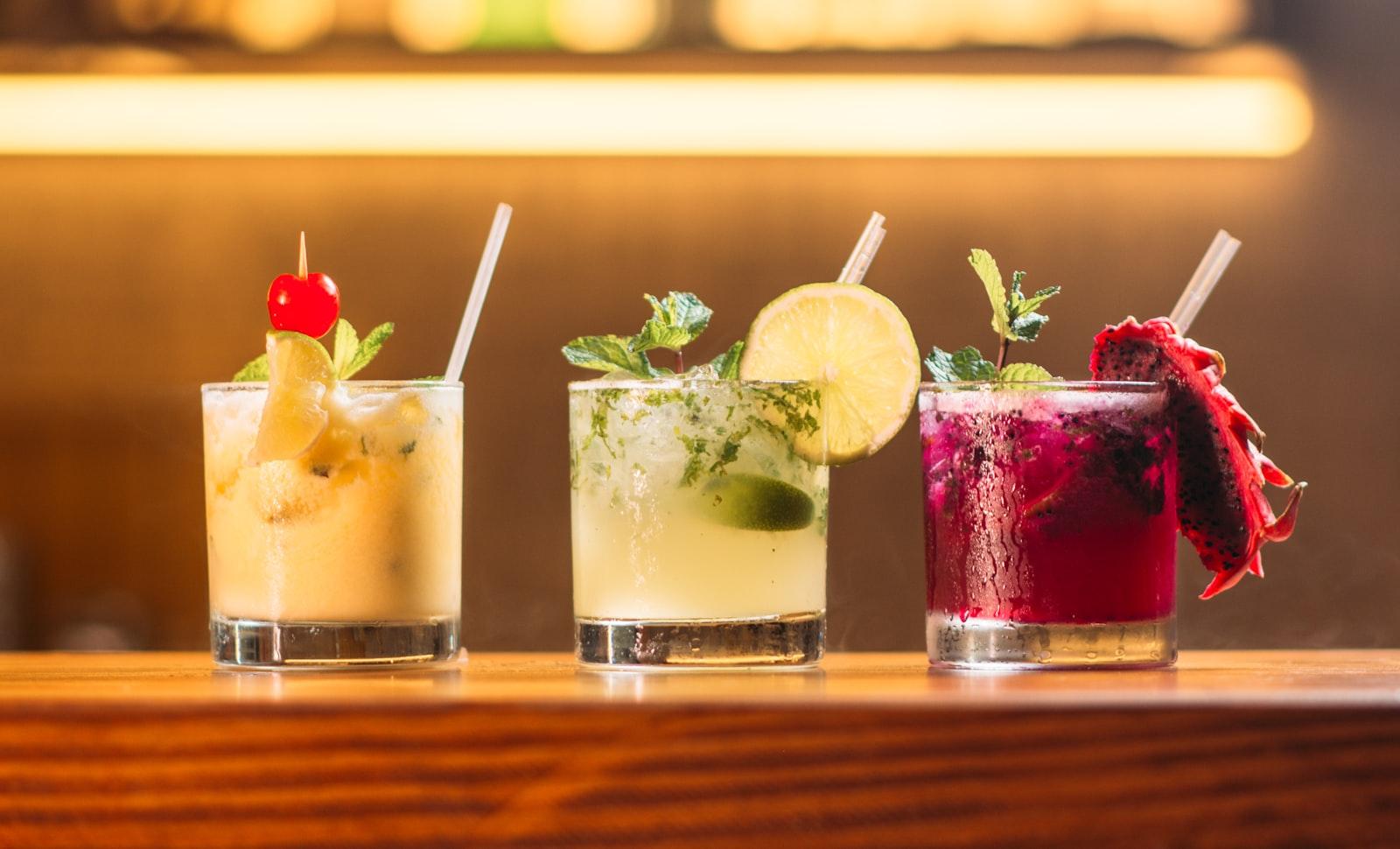
The short answer: Sentia is a range of alcohol-free "GABA spirits" designed by Professor David Nutt and the team at GABA Labs to work on the same relaxing brain system that alcohol affects, without the alcohol. The effect most reviewers describe is subtle — a gentle shift, not a buzz. A 50cl bottle costs £32 on Sentia's UK site and holds 20 servings. It suits people cutting down on alcohol who want a proper drink in their hand; it will not feel like wine.
For most of history, the social drinking choice was binary. You either drank alcohol or you sat there with a sparkling water pretending to enjoy it. The 2020s changed that. A flood of "alcohol alternative" products arrived: kombuchas, adaptogen sodas, CBD seltzers, hemp-based "buzz" drinks. Many of them are flavoured water with marketing budgets.
Sentia is different in one respect that matters: it was built around a specific neuroscience idea — that you can get some of the calming, sociable feeling of a drink by working with the same neurotransmitter system alcohol acts on, without the alcohol itself.
Whether that idea delivers is a real scientific question. Whether the drink is worth its price is a separate one. Both matter, and they do not have the same answer. This article covers both honestly.
The Science, in Plain Language
Alcohol affects many things in the brain. Part of what makes you feel relaxed and slightly less inhibited two glasses of wine in is alcohol's action on a neurotransmitter called GABA (gamma-aminobutyric acid), the brain's main "calming" signal.
The problem is that alcohol does many other things at the same time. It dehydrates you, disrupts sleep, can harm the liver over time and leaves you with a hangover. The pleasant effect lasts an hour or two; the downsides last much longer.
Professor David Nutt — the neuropsychopharmacologist at Imperial College London and co-founder of the charity Drug Science — asked the obvious question: what if you could get the relaxing, sociable part without the rest?
You cannot simply drink GABA and expect it to reach the brain; whether GABA from food or drinks gets there at all is still debated. Sentia's approach is instead a blend of botanical extracts that its makers say enhances the activity of the brain's own GABA. As Nutt put it to CNN Underscored: "The Sentia herbs are targeted to enhance the activity of GABA in the brain." He is equally clear about the limits: "If by buzzed you mean high and intoxicated, then no, it won't do this. It doesn't target the dopamine system."
The honest position is that this is a plausible design backed by a serious scientist, not a proven effect. Independent evidence on how much a serving of Sentia changes how you feel is limited, so judge it on your own experience.
What You Can Reasonably Expect to Feel
This is where marketing and experience drift apart. The idea of "a wine buzz without the alcohol" sets expectations too high. Sentia's own product pages say most people notice "a gentle shift within 15–30 minutes".
CNN Underscored's editors tasted all three spirits for Dry January 2025 and put it directly: "Spoiler alert: Though we didn't feel a big shift, we were able to convene in the middle of the workday with an endearing drink (or three) in hand without worrying about alcohol-induced 'hang-xiety'."
If you go into Sentia expecting it to replicate alcohol, you will be disappointed. If you go in expecting a complex botanical drink and a ritual that marks the end of the day, it can earn its place.
The Three Sentia Spirits, Honestly
Sentia makes three GABA spirits, each in a 50cl bottle of 20 servings of 25ml. They are made to be mixed, not sipped neat — the botanical flavour is strong, bitter and complex on its own. Sentia also sells a cask-style drink and a cider, both at 0.5% ABV, which are not alcohol-free in the strict sense.
GABA Red — "Relax." The original. Its herbal extract includes magnolia bark, linden flower, passionflower, ashwagandha, liquorice, rose, tulsi, rhodiola, hawthorn, damiana and gentian, with berry juice concentrates. Sentia describes it as rich, herbal and berry-like and suggests serving it over ice with tonic.
GABA Black — "Flow." The sociable one. Its extract includes magnolia bark, schisandra, sage, orange peel, star anise, ginseng, black cardamom, thyme, cinnamon, gotu kola, rosemary, liquorice, ginkgo, bay and angelica, sweetened with maple syrup and molasses. Sentia suggests ginger beer or cola over ice; CNN's tasters found it earthy, peppery and best with a mixer.
GABA Gold — "Uplift." The lightest. Its extract includes ashwagandha, eleuthero, schisandra, chamomile, ginseng, hops, rhodiola, damiana, hawthorn, gotu kola, lemon balm, ginkgo and liquorice, with quince and grape juice concentrates. Sentia's serve is tonic and a slice of lime — a light, floral take on a G&T.
If you are buying one bottle to try, Red is the most established and the most versatile with tonic. If you want a long drink for a longer evening, try Gold. Black suits a livelier night and stands up to ginger beer or cola.
Safety Notes Worth Reading First
Sentia's own labels carry warnings that most reviews skip:
- All three contain liquorice; Sentia advises people with high blood pressure to avoid excessive consumption.
- Not recommended during pregnancy or while breastfeeding, and not for anyone under 18.
- Do not exceed 100ml — four servings — in 24 hours.
- If you take prescription medication or have a medical condition, speak to a healthcare professional first.
Nutt also advises against using it with alcohol: "There's no real point in mixing them with alcohol," he told CNN. Many people instead alternate Sentia with alcoholic drinks to cut down — what the British call "zebra drinking".
What Sentia Is Not
It is not a replacement for alcohol if alcohol is what you actually want. If you love the taste of good wine and the effect it has on you, Sentia will not feel like a like-for-like swap. People who get on with it tend to be those already cutting down for health or sleep reasons who want something more interesting than soda water.
It is not a sleep aid or a treatment. It is designed for social occasions and winding down, not to treat anxiety, insomnia or anything else. If sleep or anxiety is a genuine problem, talk to a doctor.
It is not cheap. At £32 for 20 servings, a serving costs about £1.60 before the mixer — more than a soft drink, less than a glass of good wine. Sentia is positioned as a premium product, not a value option.
Who Sentia Is Actually For
Sentia makes sense for three groups of people.
The first is people doing serious alcohol reduction — those who have decided to cut down for health, sleep or family reasons and do not want to lose the ritual of pouring something good into a glass at the end of a Friday. The ritual matters more than most people think.
The second is hosts who do not drink much themselves. Serve sparkling water all evening and you signal that the night is not an occasion; serve a real drink, even at 0% ABV, and the social register stays open. Sentia in a proper glass with the right mixer reads as a real drink. Our sober-curious entertaining guide covers the rest of the table.
The third is people interested in the science itself — curious to taste a research-led attempt to recreate the pleasant side of a drink without alcohol, and relaxed about being early adopters.
If none of those describes you, save your money and simply drink less wine.
How to Use It
Use proper mixers. Sentia drunk neat is intensely botanical and bitter; most people who dislike it tried it neat. Follow the house serves — Red with tonic, Black with ginger beer or cola, Gold with tonic and lime — and treat it as a cocktail base.
Use proper glassware. The ritual is half of what you are paying for. A heavy tumbler or a good highball changes the experience.
Keep to the label. Stay within four servings a day and do not combine it with alcohol.
How to Buy Sentia
Sentia sells direct from its own online shop, where the three spirits are £32 each, a Red, Black and Gold collection is £86.40, and UK delivery is free on orders over £50 at the time of writing. The shop says it keeps stock in Europe for easier delivery across the continent; buyers elsewhere should check delivery options, duties and local stockists at checkout. You can browse the range through Sentia's official shop.
The sensible first order is the three-bottle collection, which lets you compare all three before settling on a favourite.
The Summary
Sentia is a serious, science-led attempt to create a drink that works on the same brain system as alcohol, without the alcohol. The design is credible, the effect is subtle, and the evidence is still thin. It is most useful for people already reducing their drinking who want a real drink in their hand rather than a sparkling water.
It will not feel like wine. It will not replace alcohol. With those expectations corrected, it can earn its place at the dinner table.
Related reading: the sober-curious entertaining guide, non-alcoholic luxury spirits and how to host a 6-person dinner in 4 hours.
FAQ
Does Sentia actually work?
Its makers say its botanical blend enhances the brain's own GABA activity. Most reviewers describe a subtle, gentle effect rather than a buzz — CNN Underscored's testers said they "didn't feel a big shift". Independent evidence is limited, so treat it as a pleasant ritual first.
Who created Sentia?
Sentia was designed by Professor David Nutt, a neuropsychopharmacologist at Imperial College London, and the neuroscientists at GABA Labs.
Is Sentia alcohol-free?
The three GABA spirits — Red, Black and Gold — are alcohol-free. Sentia's cask drink and cider are 0.5% ABV.
How much Sentia can you drink?
Sentia's labels say not to exceed 100ml, or four 25ml servings, in 24 hours. It is not recommended during pregnancy or breastfeeding, and it contains liquorice, which people with high blood pressure should not consume in excess.
Can you mix Sentia with alcohol?
It is not designed for that. Professor Nutt says there is "no real point in mixing them with alcohol"; many people instead alternate Sentia with alcoholic drinks to cut down.
Sources
Sentia Spirits official shop and product pages (GABA Red, Black and Gold) — ingredients, serving suggestions, prices and label warnings, checked September 2026.
CNN Underscored, "SENTIA GABA spirits: tested and reviewed," Carolina Gazal, 21 January 2025.
Continue Reading
Continue in this collection


Found this useful? Explore more in the Journal.
BACK TO JOURNAL