Mediterranean Yacht Charter: Cost, Season, Routes and VAT Explained
Last updated: 16 October 2026
Researched and drafted with AI assistance; reviewed, fact-checked and approved by Thomas Lovas Lokoy. Editorial policy
A Mediterranean superyacht charter costs the weekly base rate plus three things the brochure leaves out: an Advance Provisioning Allowance of roughly 30 per cent for fuel, food and berthing, VAT at the rate of the country where you step aboard (20 per cent in France, 22 in Italy, 13 in Croatia, 0 in Montenegro), and a crew gratuity that brokers put between 10 and 20 per cent. On a EUR 150,000-a-week yacht leaving Antibes that is about EUR 247,500 all-in, not EUR 150,000. This guide sets out the season, the routes by region, the budget by vessel size, the VAT table, and how to choose and brief a broker, for clients planning a first or second Mediterranean charter.
The Mediterranean is the world's premier superyacht charter destination, busiest between May and October. It is also a market with significant variation in quality, value and experience depending on where you go, when you go, and who you go with.
The season structure
The Mediterranean charter season divides into three distinct periods:
Shoulder season (May–June and September–October): The optimal balance of weather, availability, and pricing. June offers reliable sunshine, warm but not oppressive temperatures, and good availability on quality vessels. September and early October bring calmer seas, emptier anchorages, and occasional availability on vessels that have had late-summer cancellations. Rates run 10–20 per cent below peak.
Peak season (July–August): Maximum rates, minimum availability, maximum crowds. July and August in the Western Mediterranean (French Riviera, Sardinia, Corsica) are simultaneously the most glamorous and the most congested. The anchorages at Portofino, Capri, and St Tropez in August are strikingly busy. Charter quality is unchanged; context and solitude are compromised.
Early season (April–May): Increasingly popular as charter clients seek value and solitude. Weather is variable (the mistral can blow hard in April), but the experience of an uncrowded Côte d'Azur or Greek island chain in May is genuinely spectacular.
The best routes by region
French Riviera and Corsica: The classic Mediterranean charter. Monaco to St Tropez via Antibes, Cannes, and the Îles de Lérins. Add Corsica for exceptional anchorages; the Lavezzi Islands at the southern tip are among the most beautiful in the Mediterranean. Best in June and September.
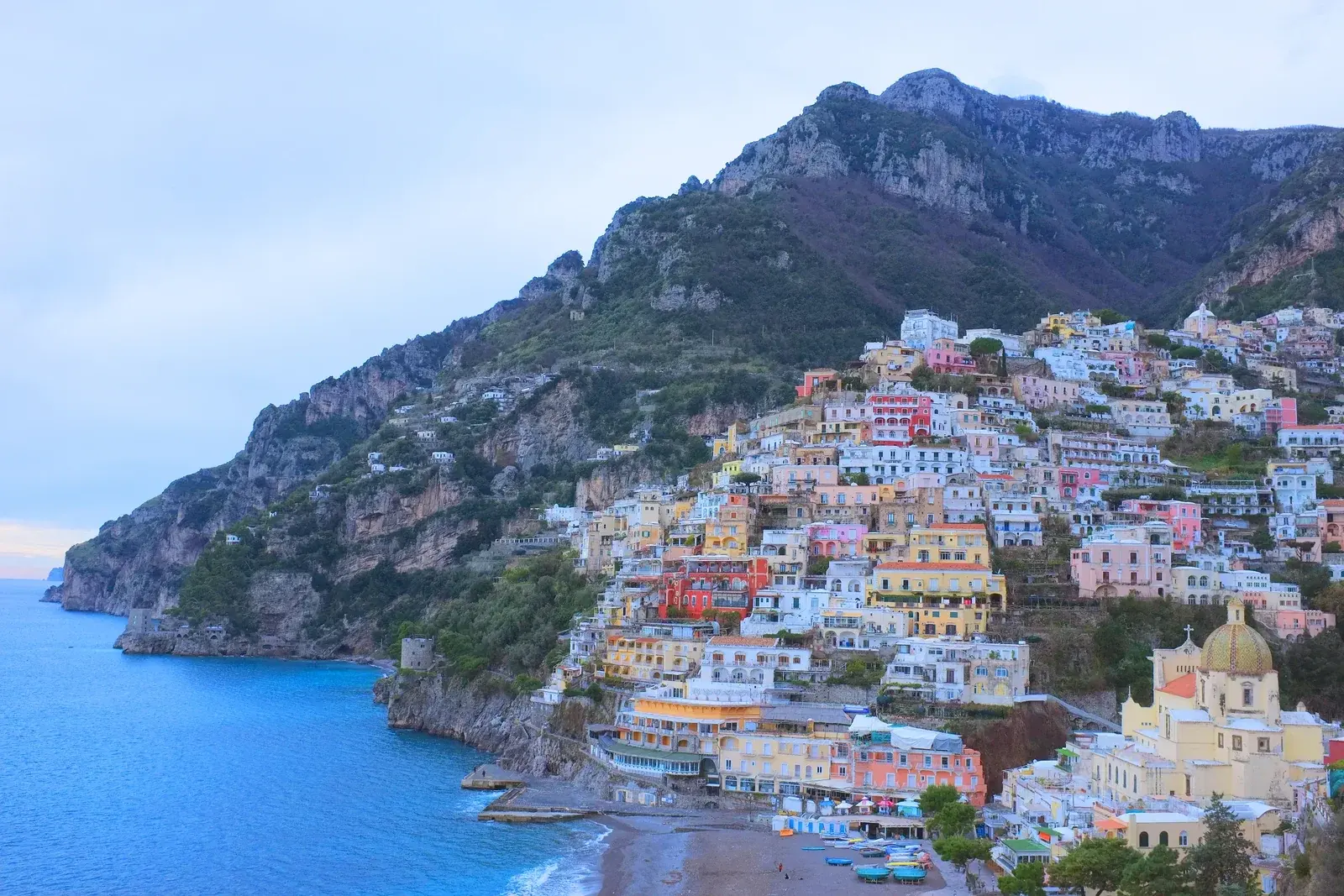
Amalfi Coast and Sicily: Naples to Positano, Capri, Amalfi, and east to the Aeolian Islands. Stromboli at night, with its volcano visible for miles, is one of the defining experiences in Mediterranean sailing. Best in June–July and September.
Greek Islands: The Cyclades (Mykonos, Santorini, Paros, Naxos) for dramatic scenery and vibrant nightlife. The Ionian Islands (Corfu, Lefkada, Kefalonia) for calmer seas and more traditional character. The Dodecanese (Rhodes, Kos, Patmos) for history and Eastern Mediterranean colour. Greece offers the best value-to-experience ratio in the Mediterranean. Best in June–September.
Croatia: The Dalmatian coast has emerged as a genuine alternative to more expensive Western Mediterranean destinations. Split to Dubrovnik via the islands of Hvar, Brač, and Korčula. Clear water, historic towns, and rates 20–30 per cent below comparable French or Italian itineraries, with the lowest VAT rate of any EU charter start. The northern islands around Kornati National Park remain relatively undiscovered.
Montenegro and Albania: The emerging frontier of Mediterranean charter. Kotor Bay in Montenegro is one of Europe's most dramatic natural settings. Charter rates are the lowest in the Mediterranean for equivalent vessel quality, and a charter that starts in Montenegro attracts no VAT at all. Infrastructure is developing: less polished but genuinely spectacular.
| Region | Best months | VAT at embarkation | Why go |
|---|---|---|---|
| French Riviera and Corsica | June, September | 20% (France and Monaco) | The classic itinerary; Lavezzi anchorages |
| Amalfi, Sicily, Aeolians | June–July, September | 22% (Italy) | Capri, Positano, Stromboli at night |
| Greek Islands | June–September | 24% headline, reduced for licensed yachts and itinerary | Best value-to-experience ratio |
| Croatia | June–September | 13% | Rates 20–30% below France and Italy |
| Montenegro | June–September | 0% | Kotor Bay; lowest rates for equivalent yachts |
Across any of these routes, pre-booking a handful of shore excursions removes friction once you are anchored. A platform such as Pelago makes it straightforward to line up guides and experiences in each port in advance, rather than relying solely on the crew's local contacts. For where the money is actually heading this year, see where the ultra-wealthy are going in 2026.
Realistic budget by vessel size
24–35 metres: EUR 25,000–100,000 per week charter fee, plus APA. Accommodates 6–8 guests comfortably. Good for families or smaller groups.
35–50 metres: EUR 80,000–250,000 per week plus APA. The sweet spot for groups of 8–10 wanting genuine luxury without the complexity of a larger vessel.
50+ metres: EUR 200,000–600,000+ per week plus APA. Full crew of 12–20, beach club, multiple water toys, helicopter platform on some vessels. For groups of 10–12 who want the definitive experience.
What the base rate does not include
APA (Advance Provisioning Allowance). Paid before the charter, held by the captain, and spent on fuel for the yacht, tenders and toys, food and drink provisioned to your preferences, berthing and port fees, and anything you ask for ashore. Fraser Yachts advises allowing around 30 per cent of the base rate; IYC puts the range at 25–40 per cent, with motor yachts and long-distance itineraries at the top. Whatever is unspent is refunded against the captain's reconciliation and receipts; if you overspend, you settle the balance before you leave.
VAT. Charged on the charter fee (not on the APA) at the rate of the country where the charter begins, regardless of where it ends. Delivery and redelivery fees carry the same VAT. The 2025–2026 broker-published rates are: France and Monaco 20 per cent, Italy 22, Spain 21, Croatia 13, Malta 18, Greece 24 headline with a considerably lower effective rate for yachts holding a Greek charter licence, Turkey 20 for Turkish-flagged yachts and 0 for foreign-flagged commercial yachts, Montenegro 0. Some countries reduce the rate for time spent in international waters; Spain does not. Rules change and tax authorities inspect charters, so have your broker confirm the rate for the specific yacht and itinerary before you sign.
Gratuity. Entirely discretionary and separate from the APA. Fraser suggests 15–20 per cent of the base rate; other brokers start the range at 10 per cent.
A worked example. A 40-metre motor yacht at EUR 150,000 a week, boarding in Antibes: base EUR 150,000; APA at 30 per cent EUR 45,000; French VAT at 20 per cent on the fee EUR 30,000; gratuity at 15 per cent EUR 22,500. Total about EUR 247,500, or 1.65 times the base rate before flights. Start the same yacht in Croatia and the VAT line falls to EUR 19,500; start in Montenegro and it disappears. Set the budget at 1.5–1.7 times the headline rate, depending on where you embark.
For the full anatomy of a charter contract, from the standard agreement to cancellation terms, read how to charter a superyacht and what it costs.
The broker question
In the Mediterranean charter market, broker relationships and local knowledge matter more than in any other segment. The right broker knows which vessels are genuinely in the condition their photos suggest, which captains run exceptional programmes, and which charter management companies are reliable. The established names include:
Burgess: One of the largest specialist superyacht brokerages, strongest in the 40-metre-and-above segment.
Camper & Nicholsons: Founded in 1782 and, by its own account, with more than 240 years of uninterrupted operation, the oldest yacht broker in the world, offering purchase, refit, management and charter from offices across Europe, the Americas, Asia and the Middle East.
Fraser Yachts: Strong US and Mediterranean network, and unusually clear in print about APA, VAT and gratuity, which is why its figures appear above.
Edmiston: Boutique positioning and genuinely personalised service, strong in the 30–60 metre segment.
Y.CO: Known for ultra-high-end service and a curated fleet selection rather than volume.
What to ask your broker
Before confirming any charter: When was this vessel last in drydock? Can we speak with previous charter guests? What is the crew's composite Mediterranean experience? Can we see the last client review? What VAT rate will apply to this itinerary, and is the yacht licensed for the waters we want?
A good broker will answer all of these directly and positively. Any evasion on vessel condition, crew quality or tax is a signal to look elsewhere.
The experience matters more than the vessel
We consistently hear from charter clients that the crew, particularly the captain and chef, determines the quality of the experience more than the vessel specification. A slightly older yacht with an exceptional captain who knows every hidden anchorage in the Cyclades delivers more than a brand-new vessel with a generic charter programme.
Brief your broker explicitly on the type of experience you want (active and adventurous, relaxed and gastronomic, or a balance) and ask them to match vessel and crew to that objective rather than simply to your budget. If a charter habit turns into ownership thoughts, the true cost of superyacht ownership and choosing the right flag state are the two articles to read before any broker meeting.
Frequently asked questions
How much does a Mediterranean yacht charter cost per week?
Base rates run from about EUR 25,000 a week for a 24-metre yacht to EUR 600,000 and more above 50 metres. Add roughly 30 per cent APA, VAT at the embarkation country's rate and a 10–20 per cent gratuity: budget 1.5–1.7 times the headline rate.
When is the best time to charter in the Mediterranean?
June and September. Both offer reliable weather with far emptier anchorages than July and August, and shoulder-season rates typically run 10–20 per cent below peak.
Which country has the lowest VAT on yacht charters?
Among EU starts, Croatia at 13 per cent. Montenegro, outside the EU, charges no VAT on charters that begin there. France and Monaco are 20 per cent, Spain 21, Italy 22; Greece's 24 per cent headline is reduced for licensed yachts.
What is APA on a yacht charter?
The Advance Provisioning Allowance: a deposit of about 30 per cent of the charter fee, held by the captain and spent on fuel, food and drink, berthing and your shore requests. Unspent APA is refunded with receipts; overspend is settled before you disembark.
Sources
- oceanindependence.com/articles/vat-superyacht-charters-everything-you-need-know
- fraseryachts.com/en/charter-cost-breakdown-caribbean-vs-mediterranean-vs-midd…
- iyc.com/blog/everything-you-need-to-know-about-the-apa
- yachtcharterfleet.com/news/vat-changes-for-yacht-charters-in-the-mediterranea…
- camperandnicholsons.com/about
Continue Reading
Continue in this collection



Found this useful? Explore more in the Journal.
BACK TO JOURNAL