Fine Wine as an Investment: Returns, Risks, and How to Access the Market
Last updated: 30 September 2026
Researched and drafted with AI assistance; reviewed, fact-checked and approved by Thomas Lovas Lokoy. Editorial policy
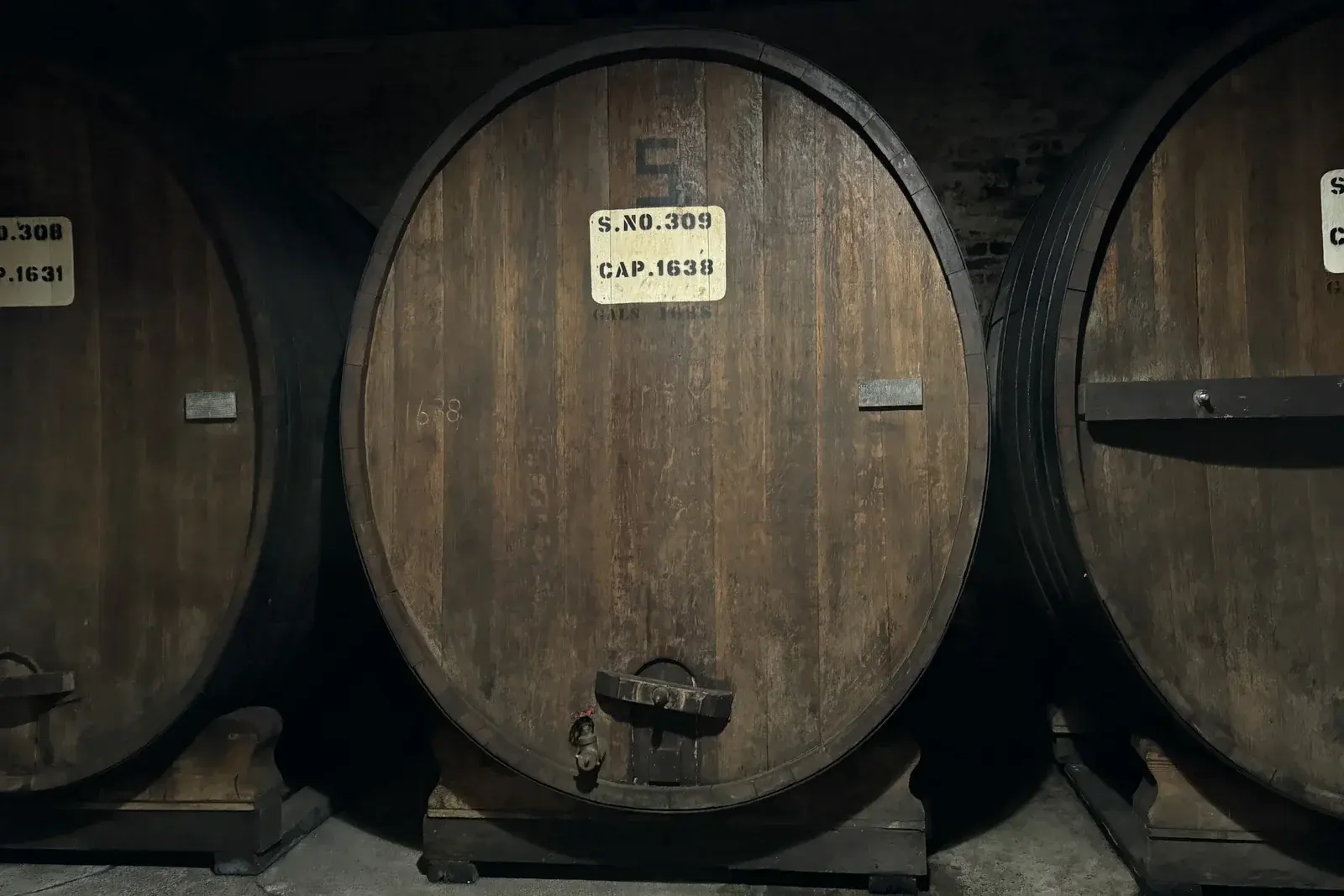
Fine wine is one of the few tangible alternative assets with a multi-decade track record of returns broadly comparable to equities — approximately 7–10% annually over 20+ year periods, according to the Liv-ex Fine Wine 1000 index. Unlike art, fine wine has the advantage of being a more liquid and more transparent market, with published auction and exchange prices for benchmark wines. Unlike real estate, the entry cost is more accessible. But the market has significant complexity that rewards knowledge and penalises naivety.
Why Fine Wine Generates Returns
The economic logic of fine wine investment is straightforward: supply is fixed (a 2010 Pétrus will never be made again) while demand grows with global wealth. As wine ages, it becomes scarcer — bottles are consumed — while quality typically improves to a peak before declining. This dynamic of fixed and declining supply against growing demand drives appreciation.
The market is concentrated in a relatively small number of benchmark wines. Bordeaux First Growths (Pétrus, Mouton Rothschild, Margaux, Latour, Haut-Brion, Ausone, Cheval Blanc) account for a disproportionate share of investment-grade wine. Burgundy Grand Crus — particularly Domaine de la Romanée-Conti (DRC), Henri Jayer, and Leroy — have dramatically outperformed Bordeaux over the past decade, driven by extremely limited production and global demand.
Champagne (Dom Pérignon prestige cuvées, Cristal, Krug), Rhône (Guigal La-La wines), and Italian Super Tuscans (Sassicaia, Ornellaia) constitute secondary investment-grade categories.
How to Access the Market
Physical wine ownership: Purchase cases through merchants (Berry Bros & Rudd, Justerini & Brooks, Farr Vintners) or at auction (Sotheby's, Christie's, Hart Davis Hart). Store in bonded warehouses — kept in bond, wine is exempt from VAT in the UK until duty is paid on removal. Never store investment wine at home — temperature and humidity control are essential, and home storage voids insurance.
Wine investment funds: Several fund structures provide exposure without the complexity of physical ownership. Cult Wines, Noble Rot, and Vinovest manage portfolios on behalf of investors. Minimum investments typically GBP 10,000–50,000. Advantages: professional management, diversification, liquidity via the fund manager. Disadvantages: management fees of 2–3% annually and loss of the physical asset ownership that some investors value.
Wine exchange trading: Liv-ex provides an institutional trading platform for fine wine, accessible through member merchants. It offers more liquidity than physical auction for benchmark wines and published price transparency. Not directly accessible to private investors — participation requires a relationship with a Liv-ex member.
The Bordeaux vs Burgundy Debate
The investment wine market has shifted significantly over the past decade. Bordeaux, historically the dominant investment category, has underperformed relative to top Burgundy. The reason is supply: a First Growth Bordeaux château produces 15,000–25,000 cases annually. DRC produces approximately 6,000 bottles of Romanée-Conti annually — in total, not per country of sale.
This scarcity, combined with explosive demand from Asia, has driven DRC appreciation of 20–30% annually in some recent years. Single bottles of 1990 Romanée-Conti sell at auction for USD 30,000–50,000.
The risk with Burgundy is concentration and authentication. Fake Burgundy is a documented problem — particularly for older vintages of DRC and Henri Jayer. Provenance documentation is essential.
Storage, Insurance, and Transaction Costs
Investment wine carries significant carrying costs:
Storage: GBP 12–18 per case per year in bonded warehouse. Minor relative to asset value but real.
Insurance: Approximately 0.15–0.3% of insured value annually.
Auction costs: Buyer's premium 20–25% at major auction houses. Seller's commission 12–18%. Round-trip transaction cost 35–40% — comparable to art.
Merchant margins: Private treaty sales through merchants typically carry smaller margins than auction but less price transparency.
Tax Treatment (UK)
Fine wine is classified as a wasting chattel in UK tax law — assets with a predictable useful life of under 50 years. As a wasting chattel, profits from fine wine sales are generally exempt from capital gains tax. This is a significant tax advantage over financial asset investment at higher income levels.
Tax treatment varies by jurisdiction — confirm the position in your country of residence before treating wine investment as tax-advantaged.
Our Assessment
Fine wine is an appropriate alternative asset allocation for HNW and UHNW collectors who have genuine knowledge of the market or are willing to develop it — or who work with specialist advisers who do. A 3–7% portfolio allocation to investment-grade wine provides genuine diversification benefits and attractive risk-adjusted returns over 10-year+ holding periods.
The worst wine investments are made by clients buying on the basis of brand recognition alone, without understanding vintage quality, storage provenance, or market dynamics. The best are made by those who combine aesthetic engagement with investment discipline — buying wine they would enjoy drinking if it never appreciated in value.
Related reading: art as an asset for UHNW collectors, the three Ws of alternative investing in watches, wine and whisky and private equity access for UHNW investors.
Continue Reading
Continue in this collection


Found this useful? Explore more in the Journal.
BACK TO JOURNAL