Investment Pieces 2026: 12 Classics That Outlive Trends
Last updated: 16 October 2026
Researched and drafted with AI assistance; reviewed, fact-checked and approved by Thomas Lovas Lokoy. Editorial policy
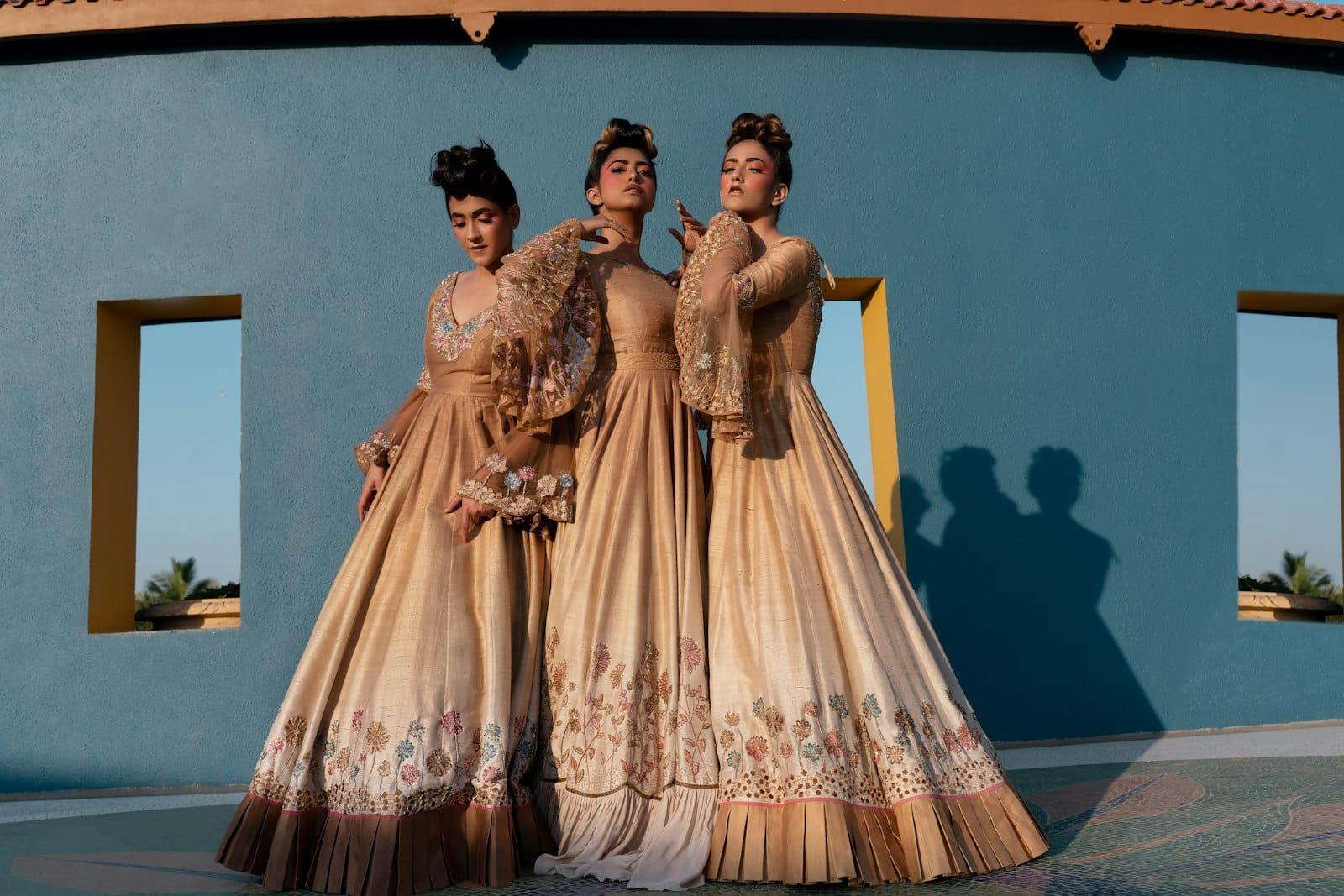
An investment piece is something you buy once, wear for decades and can repair along the way: a classic shape from a maker that has made it, essentially unchanged, for generations. Our twelve for 2026 are a soft-drape overcoat, a white poplin shirt, a cashmere wrap coat, two dress watches (the Cartier Tank and the Patek Philippe Calatrava), a leather travel bag, double-monk shoes, a structured handbag, suede loafers, a cashmere throw, a leather gilet and a rubberised raincoat. "Investment" here means longevity and cost per year, not resale profit; most clothing loses value the moment you wear it. Below: each piece with what its maker's record actually shows, a summary table, and the tests that separate a true investment piece from an expensive trend.
The objects that stay relevant while everything else falls apart.
The luxury market is caught between frantic micro-trends and a "quiet luxury" movement so self-conscious it has lost its own point. Investment dressing is neither. It is not about a logo, nor about hiding wealth in a beige shroud. It is about objects with structural integrity, physical and aesthetic. Buy correctly now and the piece should still be behaving itself in 2045.
The twelve at a glance
| # | Piece | Maker and record | Why it lasts | What to check |
|---|---|---|---|---|
| 1 | Double-breasted overcoat | Anderson & Sheppard, on Savile Row since 1906 | Bespoke cut, can be altered and relined | Several fittings; cloth weight for your climate |
| 2 | White poplin shirt | Charvet, founded in 1838 (some say 1836), 28 Place Vendôme | Collar and cloth quality | Made-to-measure or ready-to-wear fit |
| 3 | Cashmere wrap coat | Max Mara Ludmilla | Hand-stitched double-faced cashmere, unlined | Current price varies by colour and retailer |
| 4 | Rectangular dress watch | Cartier Tank, created by Louis Cartier in 1917 | A design unchanged in spirit for over a century | Service history if pre-owned |
| 5 | Round dress watch | Patek Philippe Calatrava, launched 1932 as Ref. 96 | The reference round dress watch | Ref. 6119 has a 39 mm case and hobnail bezel |
| 6 | Leather travel bag | Hermès Haut à Courroies, introduced 1892 | Built for riding gear, later the template for travel bags | Leather type; waiting list |
| 7 | Double-monk shoes | John Lobb William, a design dating to the 1940s | Goodyear welted, so it can be resoled | Fit and last; width |
| 8 | Structured handbag | Delvaux Le Brillant, introduced for Expo 58 | From the oldest fine leather goods house, founded 1829 | Leather and hardware condition if vintage |
| 9 | Suede loafers | Loro Piana Summer Walk | Comfort; a soft, unstructured shape | Colour other than the most common |
| 10 | Cashmere throw | Begg x Co, industry experience dating back to 1866 | Scottish milling in Ayr and Hawick | Weight and weave |
| 11 | Leather gilet | Connolly | A layering piece that works with tailoring and knitwear | Leather quality and lining |
| 12 | Rubberised raincoat | Mackintosh, a brand dating itself to 1824 | Fully waterproof bonded cotton, hand-taped seams | Size up for layering |
The architecture of the torso: tailoring and outerwear
1. The Anderson & Sheppard double-breasted overcoat
While parts of Savile Row flirt with "modernisation", Anderson & Sheppard, established on the Row in 1906 and on Old Burlington Street since 2005, remains a reference for soft, comfortable tailoring. A double-breasted overcoat in heavy navy wool or charcoal herringbone is less a garment than a fortress. Ask for a hem just below the knee. It is a bespoke commission with several fittings; the wait is months, the coat lasts decades, and a good tailor can alter and reline it as you change.
2. The Charvet white poplin shirt
Charvet, founded in 1838 (some accounts say 1836) and now at 28 Place Vendôme in Paris, has been making shirts for longer than almost anyone. A white poplin from Charvet, ready-to-wear or made to measure, is an expensive habit that pays back in collars that keep their shape and cloth that stays crisp. Launder it properly and rotate it with others, and it will outlast cheaper shirts several times over.
3. The Max Mara Ludmilla coat
The Ludmilla, in hand-stitched double-faced cashmere and unlined, is one of the most persuasive answers to a cold morning. Unlined sounds like a mistake until you feel how the cashmere drapes and moves. Max Mara's US site listed the Ludmilla Icon Coat at $7,250 on 30 September 2026; prices vary by colour, market and retailer, so check before you buy. It is a lot for something that resembles a very expensive dressing gown, which is precisely the point: it suggests you have nothing to prove.
The horological anchor
The watch market spent several years in speculation that would make a tulip trader blush. These two have survived every hype cycle because they were never part of it.
4. The Cartier Tank
Created by Louis Cartier in 1917 and inspired, as the story goes, by the new Renault tanks of the First World War, the Tank is one of the most resilient designs in watchmaking. The classic Louis Cartier model in yellow gold on a leather strap says you know history; it is a dress watch for people who do not need a tool watch to prove anything.
5. The Patek Philippe Calatrava Ref. 6119
The Calatrava was launched in 1932 as the Ref. 96, Patek Philippe's first model with a reference number, and has been the house's definitive round dress watch ever since. The Ref. 6119, introduced in 2021, has a 39 mm case in rose or white gold and the guilloché hobnail (Clous de Paris) bezel that Patek calls one of the most emblematic elements of its style. It does not shout; it hums.
If you are still calibrating your taste before committing to a single reference, a discovery service such as Watch Gang is a far lower-stakes way to handle different brands and case sizes first. And if you buy pre-owned, read how to buy a pre-owned luxury watch before you pay.
Leather goods: objects of utility and obsession
In leather there are two paths: the logo, which leads to obsolescence, and the artisan, which leads to an inheritance.
6. The Hermès Haut à Courroies
The Birkin gets the attention; the Haut à Courroies is its older, more athletic relative. Introduced in 1892 as Hermès's first top-handle bag and designed to carry riding gear, it later became a travel bag and is often described as the blueprint for the house's later icons. In a hard-wearing leather it will take decades of travel. Expect to wait. Our piece on how a Birkin is actually made explains why.
7. The John Lobb William
The William, John Lobb's signature double monk-strap shoe, is a design dating to the 1940s and widely credited with establishing the double monk as a style of its own. Its slightly robust silhouette works with grey flannels and with dark denim. Built with a Goodyear welt, it can be resoled again and again; the ready-to-wear line is made in Northampton and in France. These are shoes that look better the more they are repaired.
8. The Delvaux Brillant
Delvaux, founded in Brussels in 1829 by Charles Delvaux, describes itself, and is widely described, as the oldest fine leather luxury goods house in the world. Its Le Brillant handbag was introduced for the 1958 Brussels World Fair, and its horseshoe-shaped buckle and architectural construction have kept it immune to "outdated" ever since. It is the bag for someone who has moved past the need for a famous logo.
The soft power: knitwear and accessories
9. The Loro Piana Summer Walk
Yes, it has become a uniform in certain postcodes. Do not let that put you off. The Summer Walk, in soft suede on a flexible sole, is among the most comfortable shoes made. Choose a deeper colour than the ubiquitous sand, keep suede protector to hand, and it is the ideal companion for a deck or a waterfront.
10. The Begg x Co cashmere throw
Investment extends to what you drape over yourself on a Sunday afternoon. Begg x Co, with industry experience dating back to 1866 and mills in Ayr and Hawick, the Scottish Borders town known as the home of cashmere, makes throws that make a damp November evening feel like a choice. Judge it by weight and a tight, even weave rather than by how fluffy it looks in the shop.
11. The Connolly gilet
Connolly's clothing carries a motoring heritage, and its leather gilet is the ultimate transitional piece: under a coat for warmth, over a heavy knit for a drive. It speaks of old money and petrol, and proves that "sporty" need not mean "synthetic".
12. The Mackintosh rubberised coat
Trends come and go; rain is eternal. Mackintosh, a brand that dates itself to 1824 and descends from Charles Macintosh's waterproof rubberised fabric, still makes its classic coat in bonded cotton with seams glued and taped by hand in Scotland. It is stiff when new, entirely waterproof, and arguably the most honest luxury item here: it does one job, for decades.
How to tell an investment piece from an expensive trend
- It has a production record. The maker has made essentially the same thing for decades: the Tank since 1917, the Calatrava since 1932, the Brillant since 1958.
- It can be repaired. Resoling, relining, re-strapping and servicing extend its life; if no repair service exists, it is a consumable.
- It is judged on material. Fibre, leather and construction, not the number of celebrities who wore it.
- It improves with wear. Leather, gold and good cloth take a patina; if it only looks good new, it is not an investment piece.
- It is not "reinvented" every season. The original is almost always better.
On cost per wear, the honest version is that both frequency and lifespan matter: a raincoat worn ten times a year for forty years is excellent value, and so is a shirt worn weekly for a decade. The arithmetic, and its limits, are in cost per wear: what luxury actually costs and our candid wardrobe audit where the cheap stuff won.
Not every piece needs to be bought new. For leather goods and watches especially, the pre-owned market can cut the price substantially; see pre-owned luxury handbags and their value and the pre-owned luxury boom and where to actually buy.
Related reading: designer accessories that last, materials that age well and designer fashion on a budget.
Frequently asked questions
What counts as an investment piece in fashion?
Something with a long production record, made from materials that age well, that can be repaired or serviced, and that you will wear for decades. A Cartier Tank (1917), a Goodyear-welted shoe or a classic wool overcoat qualifies; this season's trend shape does not, whatever it costs.
Do investment pieces hold their value?
Most clothing does not; it is an investment in longevity and cost per year, not a financial asset. A few categories, such as certain watches and Hermès leather goods, can hold value on the pre-owned market, but treat any resale value as a bonus rather than the reason to buy.
Which watch is the best investment piece?
For a dress watch, the Cartier Tank and the Patek Philippe Calatrava are the classic choices: the Tank was created in 1917 and the Calatrava launched in 1932, and both remain in production. Choose the one you will wear; a watch that stays in the safe is not doing its job.
Should I buy investment pieces new or pre-owned?
Either, provided the seller is reputable. Pre-owned can save substantially on leather goods and watches, but insist on authentication, service history for watches, and a returns window that starts on delivery.
Sources
- en.wikipedia.org/wiki/Anderson_%26_Sheppard
- en.wikipedia.org/wiki/Charvet_Place_Vendôme
- en.wikipedia.org/wiki/Cartier_Tank
- patek.com/en/collection/calatrava
- en.worldtempus.com/article/watches/trends-and-style/patek-philippe-calatrava-…
- luxe.digital/brands/john-lobb
- en.wikipedia.org/wiki/Delvaux_(company)
- beggxco.com/pages/about
Continue Reading
Continue in this collection

Found this useful? Explore more in the Journal.
BACK TO JOURNAL