How to Charter a Superyacht: What It Costs and What to Expect
Last updated: 30 September 2026
Researched and drafted with AI assistance; reviewed, fact-checked and approved by Thomas Lovas Lokoy. Editorial policy
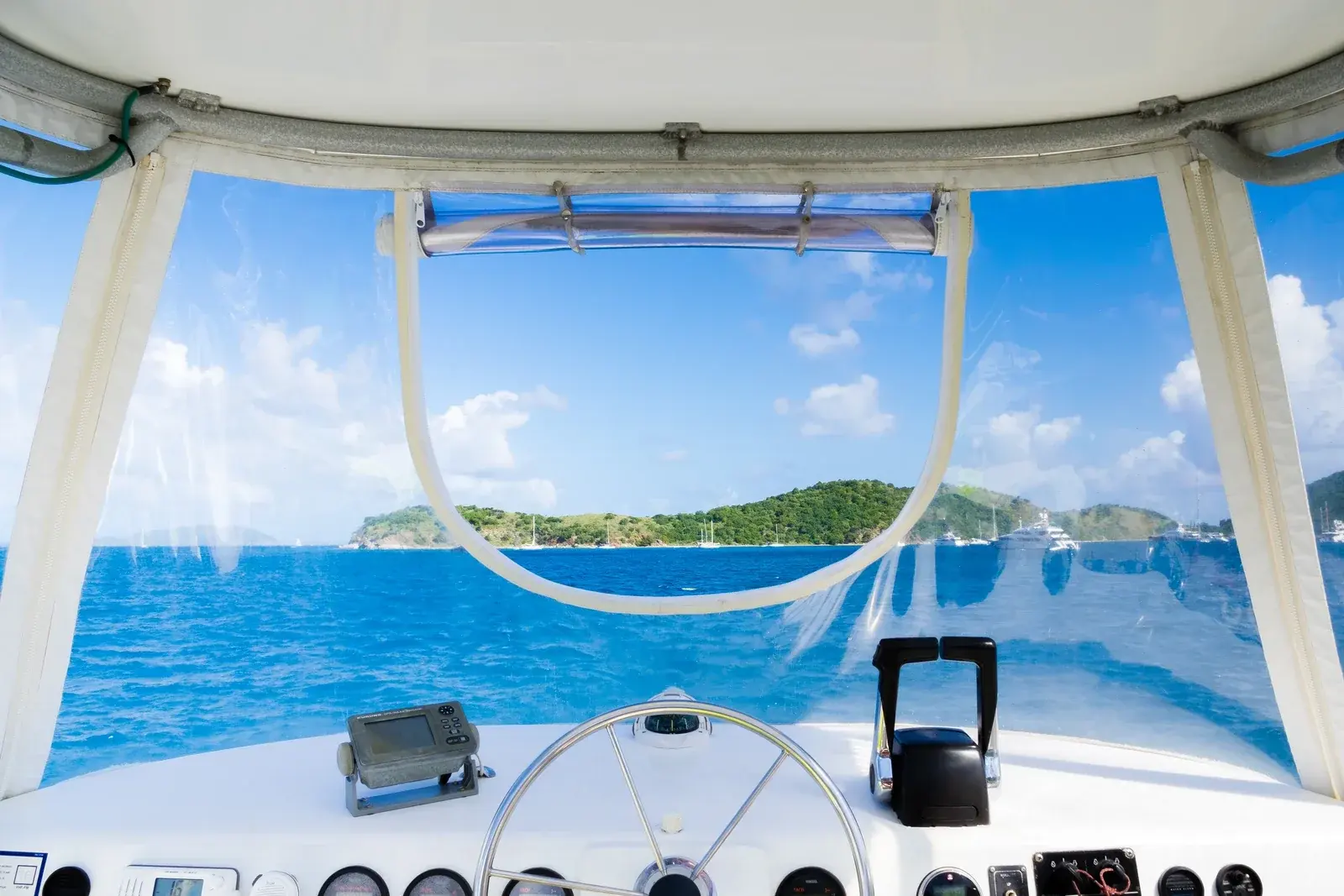
Chartering a superyacht is not simply booking a large boat. It is commissioning a floating private residence, staffed by a professional crew, operating on your schedule, in waters of your choosing. Done correctly, it is one of the most extraordinary travel experiences available. Done poorly, it is an expensive disappointment.
This guide covers what actually happens when you charter — from first contact with a broker to returning to the dock.
Understanding the Market
The superyacht charter market divides into three broad segments by vessel length:
Yachts between 24–40 metres are accessible at weekly rates of EUR 30,000–150,000 depending on age, specification, and season. These accommodate 6–10 guests and typically carry a crew of 4–6.
Yachts between 40–60 metres are the sweet spot for serious charter clients. Weekly rates range from EUR 150,000–400,000. Crew of 8–14. Most have multiple water toys, beach clubs, and gym facilities.
Yachts over 60 metres — the genuine superyacht category — start at EUR 400,000 per week and rise to over EUR 1 million for the most sought-after vessels. These carry crews of 20–40 and offer hotel-quality amenities at sea.
The APA: What It Is and Why It Matters
The charter fee you see quoted covers the yacht and crew. Everything else — fuel, provisioning, marina fees, harbour dues, water toys, local taxes — is covered by the Advance Provisioning Allowance, or APA.
The APA is typically 30–40% of the charter fee, paid in advance and held in a separate account managed by the captain. At the end of the charter, you receive a full accounting of expenditure. Any unspent APA is returned. If costs exceeded the APA, you pay the difference.
A EUR 200,000 per week charter will typically require EUR 60,000–80,000 APA. Budget accordingly.
Choosing a Broker
Never charter directly from an owner without broker representation. A good broker protects your interests at every stage: vetting the yacht's condition and compliance, negotiating MYBA contract terms, advising on appropriate APA levels, and acting as your advocate if anything goes wrong.
The leading brokers are Burgess Yachts, Camper & Nicholsons, Fraser Yachts, Edmiston, and Y.CO. All operate globally and have access to the majority of the central agency fleet. Broker commission is paid by the yacht owner, not by you — so using a broker costs nothing extra.
The difference between brokers is relationships and knowledge. A well-connected broker knows which vessels are actually in good condition, which captains run tight ships, and which charter yachts are technically available but best avoided.
The MYBA Contract
All reputable charters use the MYBA (Mediterranean Yacht Brokers Association) standard charter agreement. Read it. Key provisions to understand:
Force majeure clauses cover cancellation due to weather or mechanical failure. These are largely in the owner's favour — mechanical failure typically results in a replacement yacht or pro-rata refund, not full compensation.
Jurisdiction is usually the flag state of the vessel, which affects which courts hear disputes.
The charter party must be signed by an authorised representative of the owning company, not just the captain or management company.
What to Inspect Before Departure
Arrive at the yacht at least two hours before departure. Walk every cabin. Test air conditioning, entertainment systems, and water toys. Confirm all safety equipment is certified and accessible. Meet the full crew. A good captain will welcome this — captains who resist inspection are a red flag.
Review the provisioning list with the chef. Communicate dietary requirements clearly and in writing.
Confirm the planned itinerary with the captain and understand where flexibility exists. Weather, sea state, and local permit requirements can alter plans — knowing this in advance prevents frustration at sea.
Peak Seasons and Where to Go
Mediterranean: June–September is peak season. July and August command premium rates and require booking 6–12 months in advance for the best vessels. The Côte d'Azur, Amalfi Coast, Greek islands, and Croatian coast are the dominant destinations.
Caribbean: December–April. The British Virgin Islands, St Barts, Antigua, and the Grenadines are the primary markets. Christmas and New Year weeks book out years in advance on quality vessels.
Norway and Scandinavia: June–August. Dramatically underchartered relative to quality. The fjords offer world-class scenery with a fraction of Mediterranean marina congestion. Particularly relevant for NordicCrEast clients.
For shore days in any of these regions, it is worth pre-booking a handful of vetted excursions rather than relying entirely on the crew's local contacts. A platform such as Pelago lets you line up guides, tours, and activities in advance so shore time is not spent figuring out logistics.
Tipping
Crew gratuity is not included in the charter fee or APA. Industry standard is 10–15% of the base charter fee, distributed by the captain to the crew. This is discretionary but universally expected. A EUR 200,000 charter carries an expected tip of EUR 20,000–30,000.
Our Recommendation
For first-time charterers, we recommend a 40–50 metre vessel through Burgess or Camper & Nicholsons in the Eastern Mediterranean in June or September — avoiding peak August crowds while benefiting from reliable weather. Budget total spend at 1.5x the charter fee once APA, gratuity, and flights are included.
Charter once correctly and you will never look at a hotel suite the same way again.
Related reading: planning a Mediterranean superyacht charter, the true cost of superyacht ownership and choosing the right flag state for your yacht.
Continue Reading
Continue in this collection



Found this useful? Explore more in the Journal.
BACK TO JOURNAL