How to Buy Fine Art Online: A Beginner's Guide (2026)
Last updated: 16 October 2026
Researched and drafted with AI assistance; reviewed, fact-checked and approved by Thomas Lovas Lokoy. Editorial policy
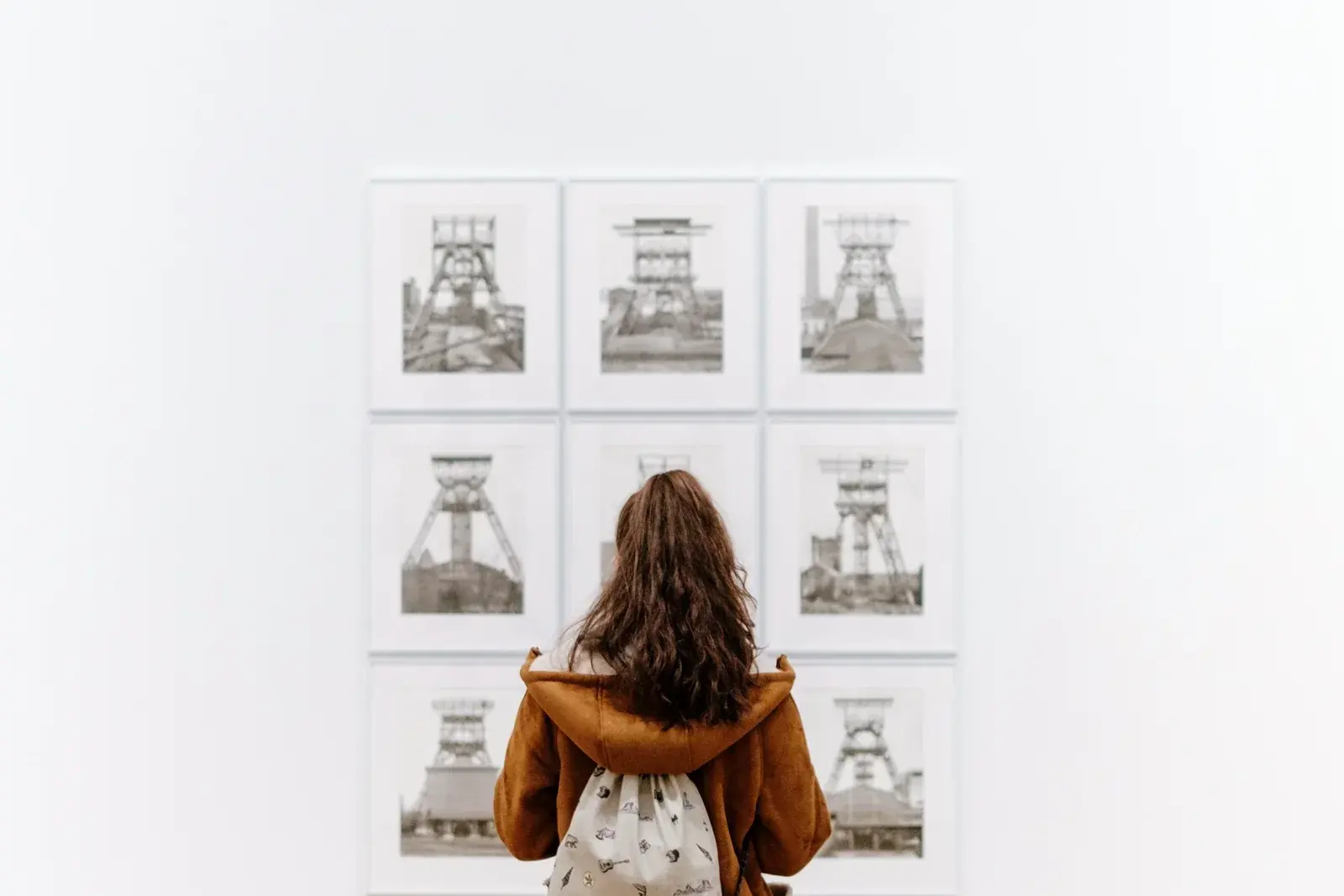
Most first-time buyers make the same mistakes: overpaying for a print that turns out to be an open edition, skipping the seller's return policy, or framing a piece with the wrong glass and watching it fade within six months. The good news is that all of these are avoidable once you know what actually matters when buying art through a screen.
This guide covers what a new buyer most needs to know before that first purchase. Whether you are buying a £200 print or a £5,000 original, the principles remain the same.
Why Buy Art Online?
The art market has shifted dramatically. Ten years ago, buying art meant visiting galleries, attending fairs, or knowing the right people. Today, the best emerging artists sell directly through online platforms, and established galleries have digital storefronts that rival the in-person experience.
The advantages are real. You can browse thousands of works from your sofa, compare prices across platforms instantly, and discover artists from regions you might never visit. The barrier to entry has dropped without the quality necessarily following — you just need to know where to look.
The risks are also real. You cannot see the true texture, scale, or colour of a piece through a screen. Authentication is harder to verify at a distance. And the sheer volume of available work can be paralysing. These are solvable problems, but they require a deliberate approach.
What to Look For
Start with the artist, not the piece. Research their exhibition history, education, gallery representation, and critical reception. An artist with a consistent body of work, gallery shows, and press coverage is a safer bet than someone whose entire portfolio exists on Instagram.
Look at the medium and edition. For prints, limited editions (numbered, such as "12/50") hold significantly more value than open editions. For originals, understand the medium — oil on canvas, acrylic on paper, mixed media — as this affects both durability and value.
Consider scale relative to your space. The most common mistake first-time online buyers make is misjudging size. A piece that looks commanding on screen may feel underwhelming on a large wall, or overwhelming in a small room. Always check dimensions and, if possible, tape out the size on your wall before purchasing.
Colour accuracy is another concern. Screens display colours differently. Reputable platforms provide colour-accurate photography and often include detail shots showing texture and surface quality. If a listing has only one low-resolution image, that is a warning sign.
Trusted Platforms
A handful of platforms stand out for quality and buyer protection, and these are the ones worth returning to.
Be honest with yourself about which of the two markets you are shopping in, because the platforms do not overlap. If you want a documented work, you want a gallery or an auction house — a venue that will state authorship and ownership history in writing. If you want a strong object for a wall and do not intend to resell it, a decor retailer is the cheaper and simpler route: Artz Miami, a Miami stainless-steel art and design studio, sells sculptural metal wall panels, mirrors and lighting as finished pieces from around $109 upward. What it does not sell is documentation — no edition numbers, no artist provenance, no certificates. Judged as decor it is good value; judged as collecting it is not collecting at all, and no amount of gallery-adjacent language changes that.
For higher-value or blue-chip work, the established auction houses — Sotheby's, Christie's, Phillips — remain the reference points, and their online sale rooms now rival the in-person experience. Treat these as the venues for pieces above a few thousand pounds, where provenance and formal authentication matter most, rather than for a first buy.
A word of caution on "art as investment" products. Fractional-ownership and art-backed-asset platforms are marketed heavily, but they are speculative, illiquid, and carry real capital risk — the value of art can fall as well as rise, holding periods are long, and fees are significant. Buy art because you want to live with it, and treat any financial upside as a bonus rather than a plan. This is editorial, not investment advice.
Authentication & Provenance
Provenance — the documented history of ownership — is the backbone of art valuation. For any purchase above £500, you should receive a certificate of authenticity (COA) signed by the artist or the gallery, and ideally some record of the work's exhibition or publication history.
For prints, a COA should include the edition number, total edition size, date of creation, medium, and dimensions. For originals, it should also include the artist's signature verification and any relevant exhibition history.
Be cautious of COAs that come from third-party authentication services you have never heard of. The most reliable COAs come directly from the artist, their estate, or their representing gallery.
Digital provenance is evolving. Some platforms now offer blockchain-backed certificates that create an immutable ownership record. While the technology is still maturing, it adds an extra layer of verification that traditional paper certificates cannot match.
Shipping & Insurance
Art is fragile, and shipping is where many online transactions go wrong. Before purchasing, check the seller's shipping method, packaging standards, and insurance coverage.
Reputable sellers ship with specialist art handlers or use custom-built crates for originals and rigid, flat packaging for prints. The cost is typically included in the price or clearly stated at checkout. If a seller offers to ship a £2,000 painting via standard courier in a cardboard tube, walk away.
Insurance should cover the full purchase price during transit. Most established platforms include transit insurance automatically. For high-value purchases, consider maintaining your own fine art insurance policy — standard home insurance often has low sub-limits for art.
Building a Collection Over Time
The best advice for a new collector is this: buy what you love, but buy with intention. A collection is not a random assortment of pretty things on walls. It is a visual narrative that reflects your taste, curiosity, and evolution over time.
Start with one or two pieces that genuinely move you. Live with them. Notice what draws your eye, what you tire of, and what you wish you had instead. Let those observations guide your next purchase. Over time, patterns emerge — you might gravitate toward a particular colour palette, medium, movement, or region.
Set a modest annual budget rather than making impulsive purchases; if this is your very first piece, our step-by-step tutorial on buying art for the first time walks through budget, paperwork, returns and framing. Even £500 to £1,000 per year, spent thoughtfully, builds a meaningful collection over a decade. Revisit our guide to art as a gift for ideas on how art fits into meaningful moments, and see our home decor guide for advice on displaying your collection properly.
Related reading: how to start collecting art without embarrassing yourself at Frieze, a concise history of auction houses — Sotheby's vs Christie's explained and the 2026 art market report.
FAQ
Continue Reading
Continue in this collection


Found this useful? Explore more in the Journal.
BACK TO JOURNAL