Digital Detox Retreats: Where to Switch Off, From Norway to Bhutan
Last updated: 30 September 2026
Researched and drafted with AI assistance; reviewed, fact-checked and approved by Thomas Lovas Lokoy. Editorial policy
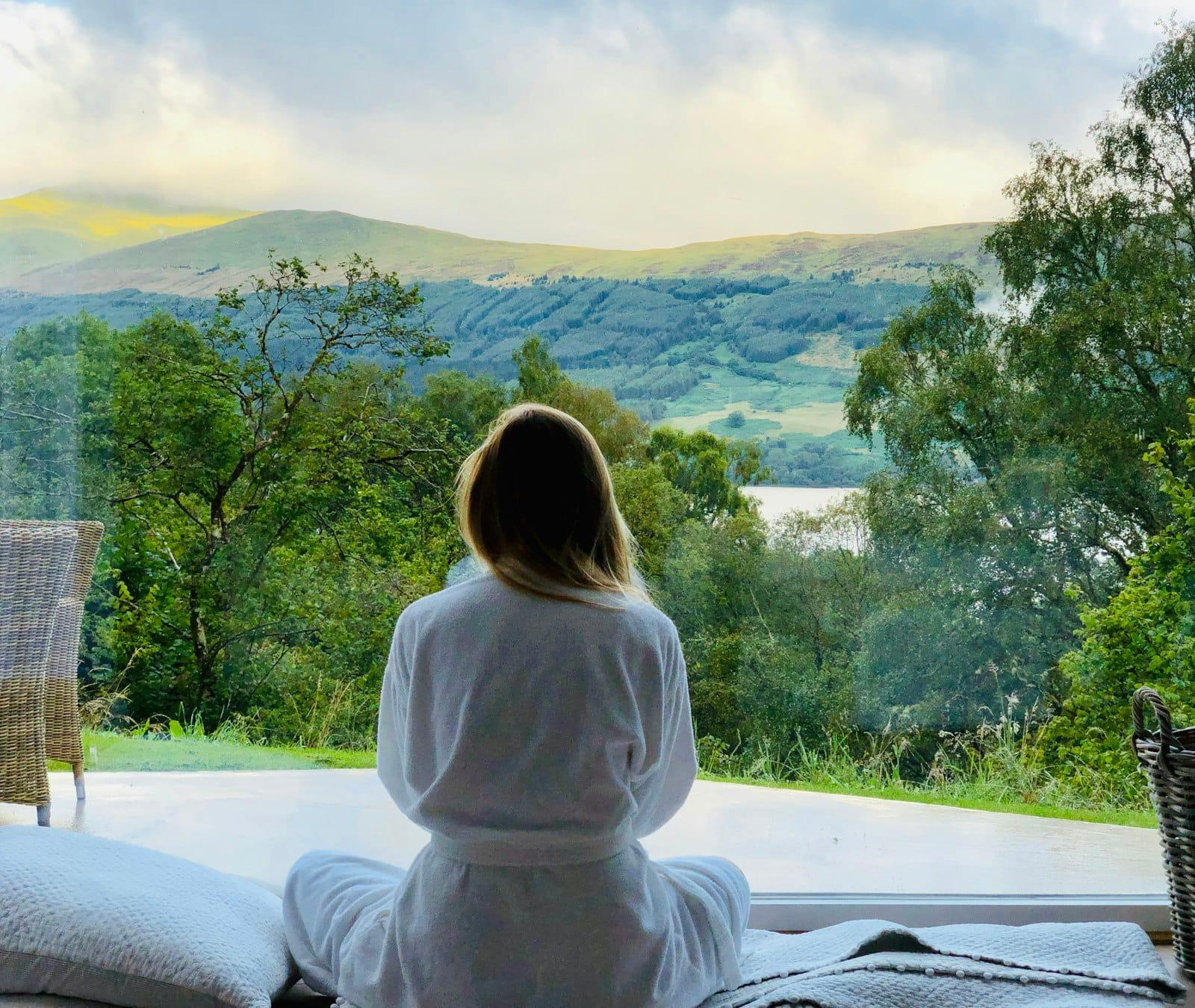
A curation of the world's most elegant black holes for the modern executive who has forgotten how to stare at a horizon without trying to crop it.
The short answer: the digital detox retreats that work are the ones where the setting does the disconnecting for you. Four very different places make the point: a beach hotel dug into a sand dune on a remote island off Norway's Trøndelag coast, a silent hermitage in Umbria with no Wi-Fi, a five-bedroom chalet on a nunatak in Denali National Park reached by helicopter, and Bhutan's five-lodge Six Senses circuit. Choose by how much structure you need — and by how honest you are about your own willpower.
The Tyranny of the Notification
There was a time when the arrival of a sleek black rectangle in one's pocket was a badge of efficiency. It was a promise: you could be in the boardroom in Zurich and on the slopes in Verbier simultaneously. We were told this was freedom. It turned out to feel remarkably like a leash, one that vibrates with the frantic urgency of a thousand "urgent" emails that could, in fact, have waited.
The modern condition of the busy, well-travelled professional is fractured attention. If you cannot sit through a tasting menu at Geranium without checking the Hang Seng under the linen, you are not winning; your phone is.
The solution is rarely a "light" version of connectivity or an hour of airplane mode. It is distance: a place where getting online is inconvenient, where the day has a shape that does not include scrolling, and where the architecture and service are good enough to distract you from the phantom vibration in your thigh.
What Makes a Digital Detox Retreat Work
Before the places, the criteria. A retreat earns the name when it offers at least three of these:
- Friction: no Wi-Fi in the rooms, weak or absent signal, or a house rule that phones stay away from shared spaces.
- Structure: a daily rhythm — meals, walks, treatments, silence — that fills the hours the phone used to take.
- Physical demand: cold water, heat, hiking or altitude, which occupy the body in a way a screen cannot compete with.
- Distance: enough travel that "just popping back" is not an option.
Hotels change their policies, so confirm connectivity rules directly before booking — especially if you need an emergency line for family or work.
Norway: Stokkøya Strandhotell, Trøndelag Coast
For anyone searching for a digital detox in Norway, the country's advantage is space: long coastline, small populations and weather that sets the agenda. Stokkøya is a small island on the Trøndelag coast, roughly two hours from Trondheim including a ferry crossing. Its beach hotel sits on the Hosnasand beach, and the rooms — the "SUB" units, short for sleeping under the ground — are built into the sandbank itself, with skylights and glass fronts facing the sea. The hotel opened in May 2009; its coastal houses, beach bar and hotel were designed by Ogmund Sørli and Ragnhild Erdal of the Trondheim practice Pir II.
It is not a programmed detox retreat, and it does not pretend to be. What it offers is the raw material: sauna, hot tubs, sea swimming, kayaking, fishing trips and walks across a sheep-grazed island, with a restaurant that cooks almost everything over fire and a wood-fired oven. Winter brings darkness, storms and, on clear nights, the northern lights. Bring the discipline; the island supplies the rest. For more on the Nordic side of switching off, see the sauna renaissance and curated Nordic experiences.
Italy: Eremito, Umbria
If Norway is about the elements, Italy is about the spirit. Eremito, near Parrano in Umbria's Monte Peglia UNESCO biosphere reserve, describes itself as a contemporary hermitage. The house is plain about connectivity: there is no Wi-Fi, and inside the building there is generally no phone signal.
The rooms are celluzze — little cells — modelled on a hermit's quarters. Dinner is vegetarian, seasonal and taken in silence, accompanied by Gregorian chant, which is a trial for the garrulous and a godsend for anyone who finds small talk exhausting. The all-inclusive rate covers meals, wine, herbal teas, yoga, guided meditation, the spa and jeep transfers; solo rates start around €220 a night on the hotel's own site at the time of writing, but check the current price when you book.
This is the detox for the person who needs rules. The silence is not optional, and that is precisely the point.
Alaska: Sheldon Chalet, Denali National Park
For phone habits that need more than a quiet room, go somewhere you cannot leave on a whim. Sheldon Chalet sits on a nunatak — a rocky outcrop rising through glacial ice — in the heart of Denali National Park, surrounded by the Alaska Range. Arrival is by helicopter, the chalet has five bedrooms, and it is run with a private chef, with backcountry skiing, snowshoeing and glacier exploration on the doorstep. It carries the Sheldon family's pioneering legacy in Alaska.
It is exclusive and priced accordingly; ask the chalet directly for current rates. The appeal for a detox is simple: when the nearest distraction is a helicopter ride away, the decision to put the phone down has already been made for you.
Bhutan: The Six Senses Lodge Circuit
Bhutan has long pursued high-value, low-impact tourism, which makes it a natural setting for a reset. Six Senses runs five lodges there — Thimphu, Punakha, Paro, Gangtey and Bumthang — designed to be combined into a journey across the valleys. Thimphu, on a hillside above the capital, is nicknamed the "Palace in the Sky"; Punakha, in the warmer rice-growing valley, is the "Flying Farmhouse". Across the circuit the emphasis is on wellness: yoga and meditation, sleep-focused treatments and the traditional Bhutanese hot stone bath.
Be clear about what this is. The lodges are luxury hotels with Wi-Fi, not enforced silence retreats. The detox comes from the itinerary — long drives over mountain passes, hikes such as the climb to Tiger's Nest from Paro, and days built around the landscape — so the discipline is yours to bring. For how Six Senses compares with its two great rivals, read Aman vs Rosewood vs Six Senses.
| Retreat | Where | How you disconnect | Best for |
|---|---|---|---|
| Stokkøya Strandhotell | Trøndelag coast, Norway | Remote island setting, sea, sauna and weather | Self-directed resets with nature on tap |
| Eremito | Umbria, Italy | No Wi-Fi, generally no signal indoors, silent dinners | People who need rules |
| Sheldon Chalet | Denali National Park, Alaska | Helicopter-only access, total remoteness | A once-in-a-lifetime reset |
| Six Senses Bhutan | Five valleys, Bhutan | Itinerary and wellness programme; Wi-Fi available | A longer journey rather than a lockdown |
Why Detoxes Fail
Beautiful scenery is not enough on its own. The first days away from a phone often feel restless — the habit of reaching for it does not disappear because the signal has. The retreats that succeed fill the gap the phone leaves with something better: a long walk, a cold swim, a meal that demands attention, a conversation.
That is why structure matters more than luxury. A silent dinner at Eremito does more for most people than a spectacular suite with a strong Wi-Fi signal and good intentions.
Keeping It Up When You Get Home
Returning is where most detoxes quietly unravel. A few habits help the clarity outlast the trip:
- Greyscale the screen so the icons are less appetising.
- Keep the phone out of the bedroom and use an ordinary alarm clock.
- Try an analogue evening with a minimalist phone such as the Light Phone or Punkt's MP02, built for calls and messages rather than feeds.
- Protect the good sleep you found on holiday — our guide to sleep optimisation explains why it is the habit worth guarding most.
Ultimately, a digital detox retreat is a reminder that you are a biological creature, not a data point. The sun, the salt, the stone and the silence are the original operating systems.
The Takeaway
- Let the setting decide: Do not trust yourself to "just not check" your phone in London or Paris. Choose places where the landscape or the house rules make the decision for you.
- Match structure to willpower: Eremito's silence suits people who need rules; a Norwegian island or Bhutan's lodges suit people who can set their own.
- Replace, don't just remove: Pick a retreat with something vivid to fill the hours — cold water, heat, hiking, silence, food.
- Check connectivity before booking: Policies differ and change, and some "retreats" are simply luxury hotels with good Wi-Fi.
Related reading: the sauna renaissance, sleep optimization, the highest-ROI habit and longevity in 2026 and what actually works.
FAQ
Where can you do a digital detox in Norway?
Norway's remote coast is the natural choice. Stokkøya Strandhotell, on an island off the Trøndelag coast about two hours from Trondheim including a ferry, offers rooms built into a sand dune, sauna, hot tubs, sea swimming and kayaking. It is not a programmed retreat, so the discipline is yours; the setting does the rest.
What is a digital detox retreat?
A place designed, or simply located, so that being online is difficult or discouraged — through no Wi-Fi, weak signal, house rules or remoteness — combined with a daily rhythm of meals, walks, treatments or silence that replaces time spent on screens.
Which retreats have no Wi-Fi at all?
Eremito in Umbria states that it has no Wi-Fi and generally no phone signal inside the building. Policies change, so confirm with any retreat before booking, especially if you need to stay reachable for emergencies.
How long should a digital detox last?
Long enough to get past the restless first days. A long weekend helps, but a week gives the habit of reaching for the phone time to fade — which is why multi-lodge journeys such as Bhutan's are usually booked for several nights.
Is a luxury hotel a digital detox?
Not automatically. Many luxury hotels, including the Six Senses lodges in Bhutan, offer Wi-Fi. The detox depends on the itinerary and on your own rules, unless the retreat builds disconnection into the house itself.
Continue Reading
Continue in this collection


Found this useful? Explore more in the Journal.
BACK TO JOURNAL