Art as an Investment: What UHNW Collectors Need to Know About Returns and Risk
Last updated: 16 October 2026
Researched and drafted with AI assistance; reviewed, fact-checked and approved by Thomas Lovas Lokoy. Editorial policy
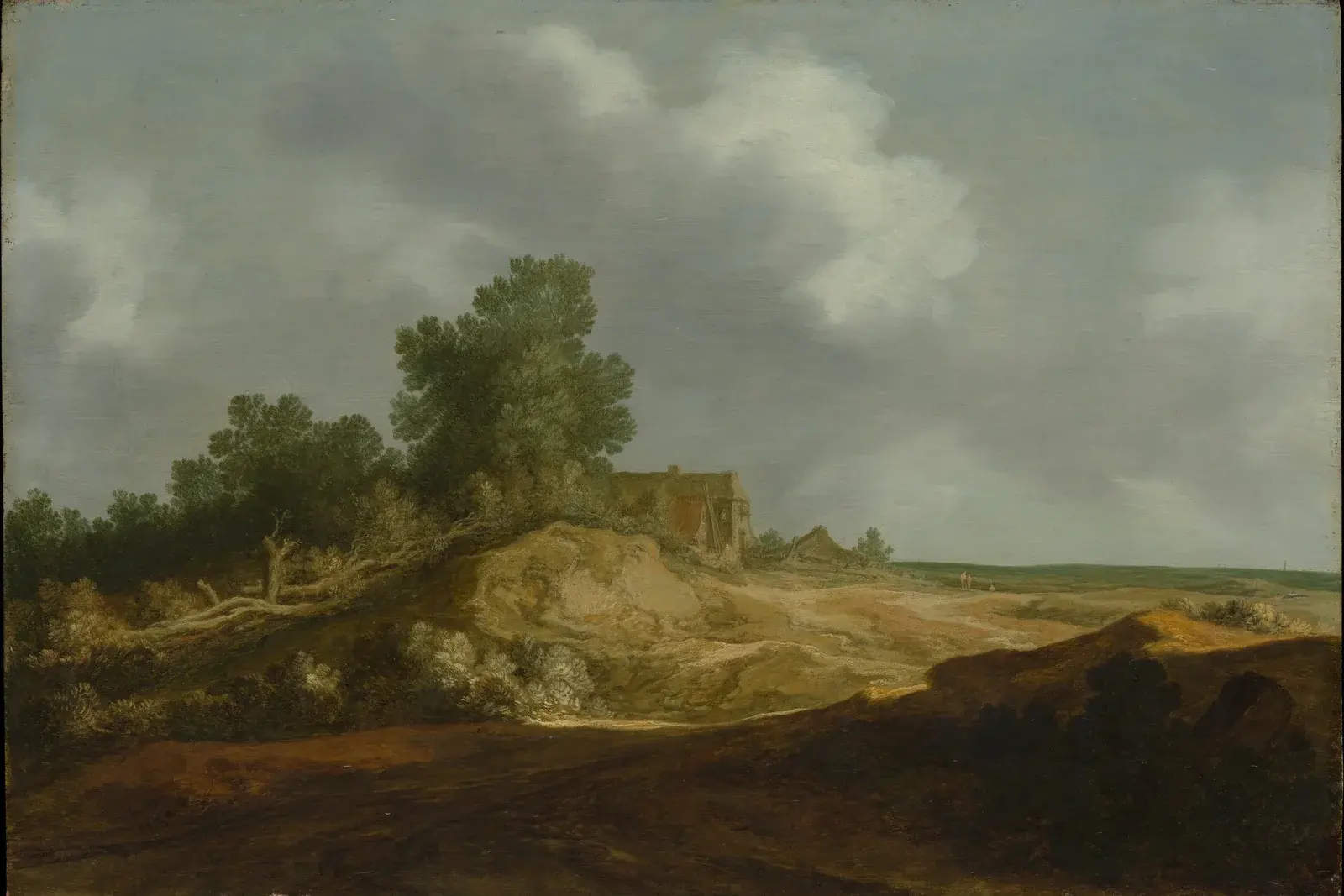
Art collecting and art investing are related but distinct activities. The best collectors buy what they love and treat financial return as a secondary consideration. The best art investors apply institutional rigour to a market that resists it. Most wealthy art buyers fall somewhere between the two — collecting with passion while hoping the collection appreciates. Understanding the economics honestly is essential before either approach.
The Returns Reality
The oft-cited art market indices — Mei Moses, Artprice, and others — show long-run returns for art broadly comparable to equities, at approximately 7–9% annually. These figures require significant caveats.
Survivorship bias is severe. The art that gets resold at auction — the data that feeds these indices — is disproportionately art that performed well. Works that declined in value, or that became unsellable, rarely reappear at major auction houses. The true return distribution is far wider and more negatively skewed than indices suggest.
Transaction costs are enormous. Auction houses charge buyers' premiums of 20–27% on top of the hammer price, plus seller's commissions of 10–15%. A round-trip transaction in the major auction market costs 35–40% of the purchase price before any price movement. An art investment must appreciate 35–40% before you break even on a resale.
Liquidity is limited and cyclical. Art is not a liquid asset. A work that could command USD 5 million in a strong market might achieve USD 2.5 million in a downturn, or might not sell at all at a price you're willing to accept.
Where Returns Are Generated
Art returns are concentrated in specific markets, periods, and artists. The primary blue-chip market — Post-War American, Impressionist and Modern, and the most established Contemporary artists — shows the most predictable appreciation but also the lowest volatility relative to other segments.
Emerging contemporary art — artists represented by top galleries but not yet with auction records — offers the highest potential returns and the highest risk. A work purchased from a gallery for USD 80,000 that establishes a USD 500,000 auction record is the outcome that drives the mythology of art investment. For every such outcome, many more result in stable or declining value.
The most consistent returns in contemporary art come from building relationships with galleries early in an artist's career — before auction records exist — and holding through an extended appreciation cycle. This requires genuine aesthetic judgment and willingness to hold for 10–15 years.
Art Lending: The Hidden Benefit
For significant collections, art lending provides a financial return that enhances overall collection economics. Major lenders — Athena Art Finance, Sotheby's Financial Services, Christie's Art Finance — lend against appraised collection value at loan-to-value ratios of 40–50%, at rates of SOFR/EURIBOR + 3–6%.
A collection appraised at USD 20 million can support a loan of USD 8–10 million. If that capital is deployed in financial assets returning 7–8% annually, the net economics of the art ownership improve significantly — even if the art itself appreciates modestly.
Art lending is most efficient for collections held privately where the lending institution can perfect a security interest over the works.
Storage, Insurance, and Carrying Costs
Art has significant carrying costs that are frequently underestimated:
Climate-controlled storage: USD 50–200 per work per month depending on size and facility. Insurance: 0.1–0.3% of appraised value annually for comprehensive coverage. Condition reports and appraisals: USD 1,000–5,000 per work every 2–5 years. Authentication and provenance documentation: Variable but potentially significant for disputed works or those with incomplete histories.
For a collection of 50 works with an appraised value of USD 5 million, annual carrying costs of USD 50,000–100,000 are realistic. These costs must be weighed against any investment return expectation.
Building a Collection with Investment Discipline
For collectors who want to build a collection with genuine financial logic:
Concentrate in a specific period, medium, or movement where you can develop genuine expertise. Deep knowledge in one area is more valuable than broad exposure to many.
Document everything meticulously — provenance, condition reports, exhibition history, and publication records. These factors significantly affect resale value and marketability.
Buy from reputable primary market sources — leading galleries with institutional relationships and ethical provenance practices. Avoid grey market purchases where provenance is incomplete. Note the distinction that catches new buyers out: an online art retailer is not an online gallery. Retailers sell finished decorative work without documenting authorship or ownership history; galleries represent artists and put that history in writing. Both are easy to buy from without an existing relationship, but only one of them produces a work you can consign to auction later.
Work with an independent art adviser, not one employed by a gallery or auction house. The structural conflicts in the art market are significant — independent advice is rare and valuable.
Our View
Art is a rewarding asset for collectors who buy with genuine aesthetic engagement and long investment horizons. It is a dangerous asset for those primarily motivated by investment return — the opacity, illiquidity, and transaction costs stack heavily against short-to-medium-term financial outcomes.
The best approach for UHNW collectors is to treat the collection as a source of genuine enjoyment, cultural engagement, and estate planning opportunity — with financial return as a welcome but secondary consideration. That framing produces better collecting decisions and, paradoxically, often better financial outcomes.
Related reading: fine wine as an investment, the three Ws of alternative investing in watches, wine and whisky, how to buy fine art online and, for the digital end of the market, what survived the NFT crash.
Continue Reading
Continue in this collection

Found this useful? Explore more in the Journal.
BACK TO JOURNAL